

When people talk about long COVID, they usually mention brain fog, fatigue, and shortness of breath. Nobody talks about the hair loss. But for me, losing my hair was the most visible, visceral reminder that my body was still fighting a battle I could not see.
Understanding From Long-Haul Shedding to Regrowth: My 9-Month Post-COVID Recovery
I contracted COVID in January 2025 — a moderate case that landed me in bed for two weeks but never required hospitalization. I thought I had recovered by February. Then in April, my hair started falling out. Not gradually — aggressively. Within three weeks, I had lost approximately 40% of my hair density.

My dermatologist diagnosed telogen effluvium triggered by the viral infection. The mechanism is well-documented: severe illness pushes a large percentage of hair follicles from the anagen (growing) phase into the telogen (resting) phase simultaneously. Two to three months after the trigger, those hairs shed in unison. With COVID specifically, the inflammatory cascade and microvascular damage to follicles may amplify this effect.
But for me, it was not just regular telogen effluvium. As a long-hauler, I had ongoing systemic inflammation — elevated CRP, intermittent fevers, and persistent fatigue. My body was not recovering, which meant my hair follicles were not recovering either. The shedding continued for months instead of the typical 3-6 month window.
Bloodwork revealed a cascade of issues: ferritin was elevated at 180 ng/mL (ferritin is an acute phase reactant, so high ferritin during inflammation does not mean adequate iron stores — my transferrin saturation was actually low), vitamin D was 12 ng/mL, zinc was 55 mcg/dL (low normal), and my thyroid antibodies were elevated, suggesting COVID had triggered autoimmune thyroiditis.
The protocol was comprehensive. I started 5% minoxidil foam twice daily to stimulate follicle re-entry into anagen. For the underlying inflammation, my doctor prescribed low-dose naltrexone (LDN) at 3 mg, which modulates the immune system and has shown benefit for long COVID symptoms. I added 2000 mg of omega-3 fatty acids daily (EPA/DHA combined), 5000 IU vitamin D3 with K2, 30 mg of zinc picolinate, and 600 mg of NAC (N-acetyl cysteine) twice daily for oxidative stress.
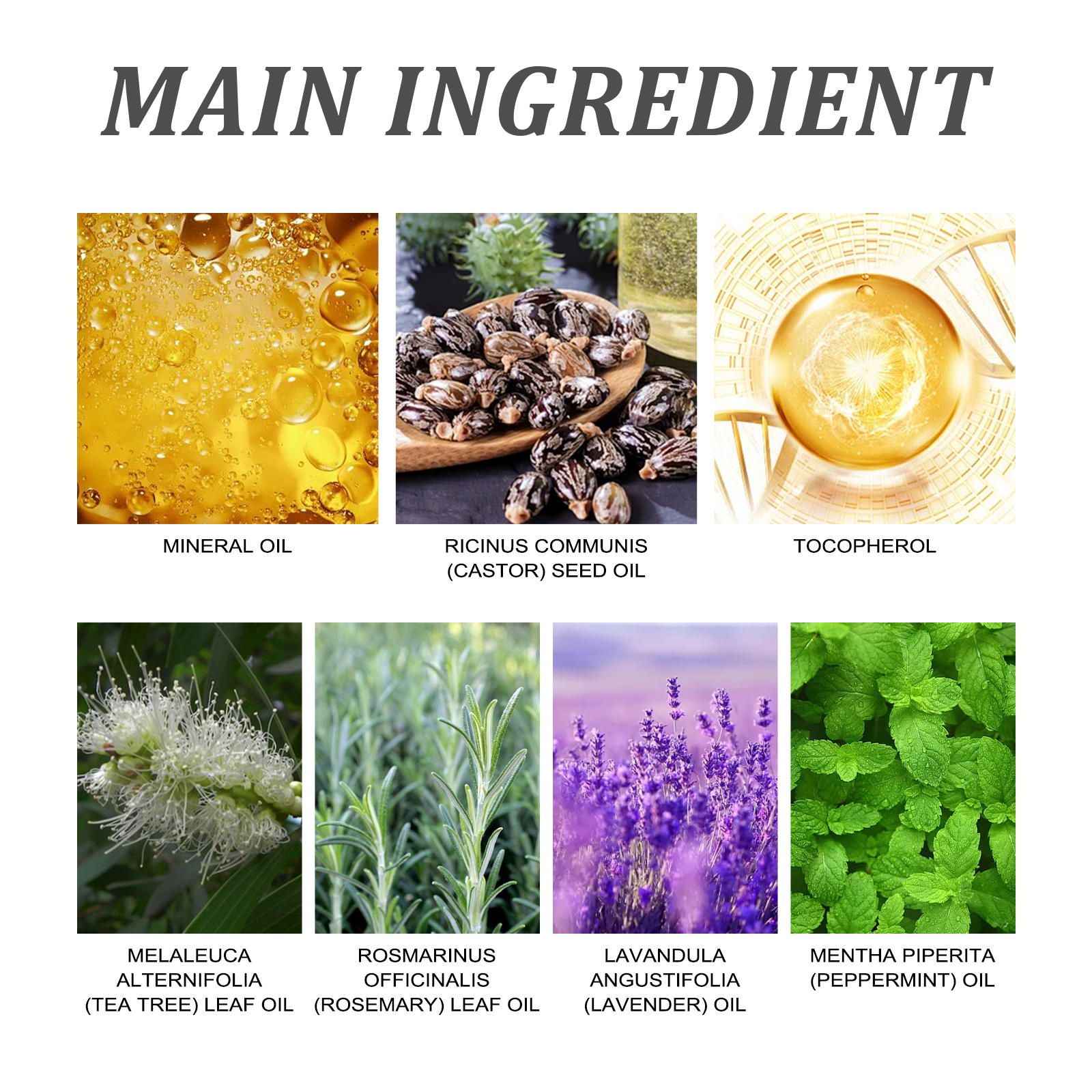
I also completely overhauled my diet. Anti-inflammatory became the guiding principle: turmeric golden milk daily (with black pepper for absorption), bone broth for collagen, organ meats twice weekly for bioavailable iron and B vitamins, and a massive increase in colorful vegetables. I eliminated alcohol, refined sugar, and processed foods entirely.
The timeline was slower than typical telogen effluvium because my body was still fighting. Months one through four, the shedding continued at 150-200 hairs daily despite treatment. I was devastated. Month five brought the first real reduction — down to about 80-100 hairs per day. Month six, I noticed tiny dark hairs emerging along my hairline. Month seven, the baby hairs were visibly longer — about an inch. Month nine, my hair density had recovered to roughly 75% of pre-COVID levels.
The biggest setback was at month four when I caught a mild cold and the shedding spiked back up to 200+ hairs for two weeks. Any additional stressor, even minor, can restart the telogen effluvium cycle when your body is in a vulnerable state. I also struggled with the minoxidil initially — the propylene glycol in the liquid formulation caused contact dermatitis, so I switched to the foam version which was much better tolerated.
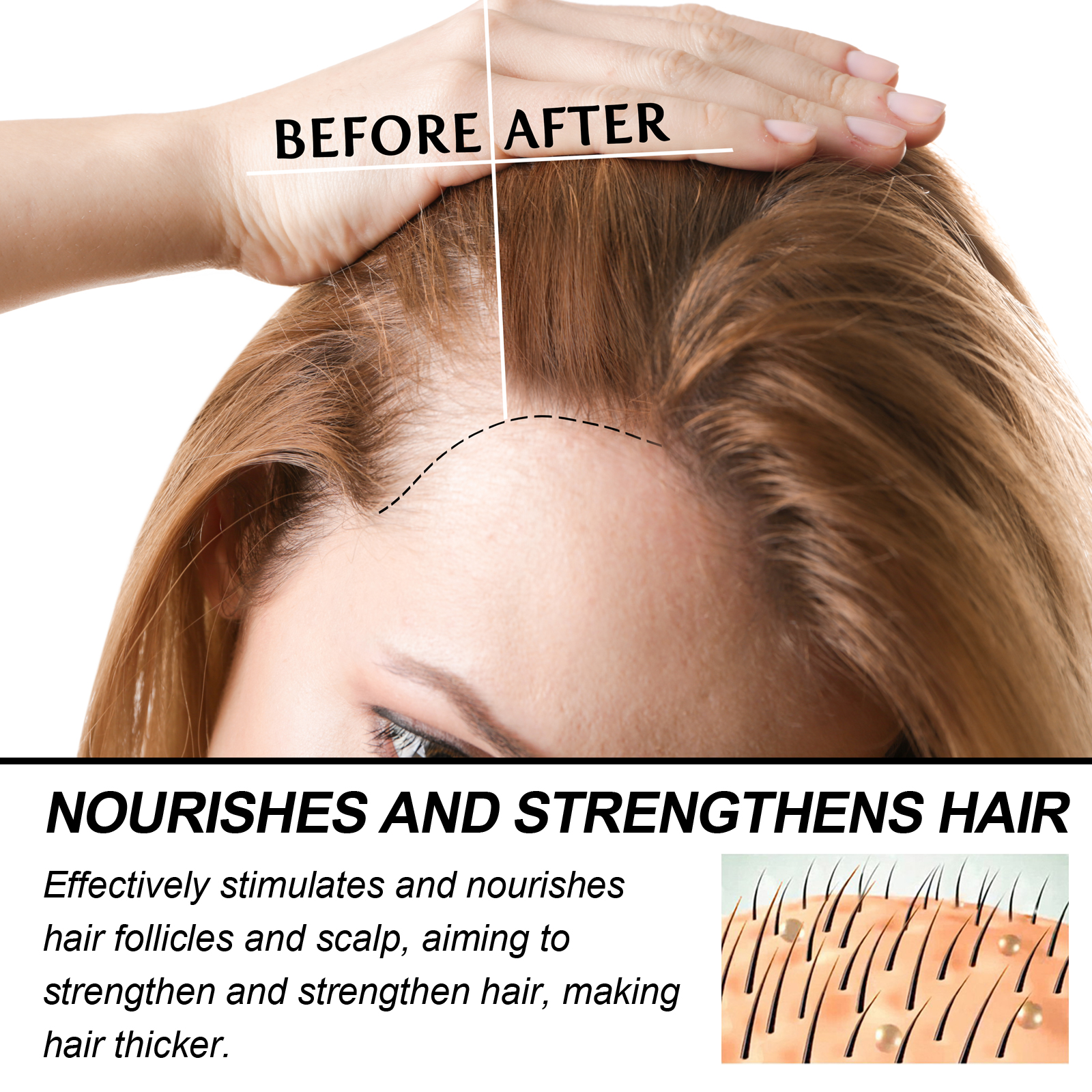
Nine months into my recovery, I am still a work in progress.But my hair is growing back, and that visible progress gives me hope for the rest of my recovery.
Key Takeaways and Recommendations
The key takeaways for anyone dealing with post-COVID hair loss: First, this is extremely common — studies suggest up to 30% of COVID patients experience significant hair shedding. Second, persistent inflammation prolongs the shedding phase, so addressing the underlying condition is as important as treating the hair. Third, standard telogen effluvium timelines may not apply to long-haulers — expect a longer recovery window. Fourth, minoxidil can help accelerate regrowth but will not stop the shedding until the underlying trigger resolves. Fifth, be patient with yourself — your body has been through a war.
I still have days where I find too much hair on my pillow. I still check my part width obsessively. But every month, there is a little more hair, a little less scalp visible, a little more hope. That trajectory matters more than speed.
The connection between long COVID and hair loss goes deeper than simple telogen effluvium. Emerging research suggests that SARS-CoV-2 can cause endothelial dysfunction — damage to the lining of blood vessels — and the hair follicle is one of the most vascularly dependent structures in the body. Each follicle is surrounded by a network of capillaries that deliver oxygen and nutrients. When these microvessels are damaged by viral infection, follicle function is compromised.
I also experienced a phenomenon that my dermatologist called “telogen effluvium stacking” — multiple overlapping waves of shedding from different triggers. The initial COVID infection triggered the first wave. The stress of prolonged illness triggered a second wave. The nutritional deficiencies that developed during my illness triggered a third. Each wave peaked and subsided on its own timeline, creating a prolonged overall shedding period that was far more severe than any single episode would have been.
Understanding this stacking effect was actually helpful psychologically. It explained why my recovery was taking longer than the “typical” 3-6 month telogen effluvium timeline. Multiple insults meant multiple recovery cycles, and the follicles could only recover as fast as the underlying conditions improved.
Practical tips for post-COVID hair recovery: First, prioritize reducing systemic inflammation — this is more important than any topical treatment. Anti-inflammatory foods (turmeric, ginger, omega-3s), adequate sleep, and stress management are foundational. Second, consider asking your doctor about low-dose naltrexone (LDN) if you have persistent long COVID symptoms — it modulates the immune system and may reduce the inflammatory cascade affecting your follicles. Third, be patient with exercise — pushing too hard too fast can trigger post-exertional malaise in long-haulers, which worsens inflammation and shedding. Fourth, monitor your thyroid — COVID can trigger autoimmune thyroiditis, which is a separate but additional cause of hair loss. Fifth, community matters — online long COVID support groups are filled with people experiencing the same hair loss and can provide both practical advice and emotional support.
One aspect of this journey that I have not seen discussed enough is the financial cost. Between dermatologist visits, bloodwork, prescription medications, over-the-counter supplements, and hair care products, I spent approximately $200-300 monthly on hair recovery. Insurance covered some of the prescriptions but none of the supplements or topical treatments. I mention this not to discourage anyone but to set realistic expectations — effective hair loss treatment is an investment, and budgeting for it is part of the process.
I also want to talk about the role of patience in a way that goes beyond the obvious “be patient” advice. True patience in hair recovery means accepting that you will have weeks where it seems like nothing is happening, weeks where things seem to be getting worse, and occasional weeks where you notice genuine improvement. The overall trajectory matters more than any single data point. I found it helpful to review my monthly photos rather than daily mirror checks — the progress was much more visible when viewed over longer intervals.
The social dimension of hair loss is something I underestimated. Comments from well-meaning friends and family — “Have you tried biotin?” or “My cousin used rosemary oil and it worked!” — while intended to be helpful, often felt dismissive of the medical complexity I was navigating. I learned to have a prepared response: “I am working with a dermatologist on a comprehensive treatment plan, and I appreciate your concern.” This was polite but also set a boundary that stopped the unsolicited advice.
I also found it helpful to be selective about who I shared my journey with. Not everyone deserves access to your vulnerability. I shared openly with my closest friends and family, selectively with colleagues, and not at all with acquaintances. This protected my emotional energy for the things that mattered — my treatment, my recovery, and my mental health.
One more practical point: I kept a detailed journal throughout my recovery, noting my treatment adherence, stress levels, sleep quality, and subjective hair assessments. Looking back, this journal was invaluable for identifying patterns — I could see that poor sleep consistently preceded increased shedding, and that the shedding always decreased about 4-6 weeks after a particularly good stretch of adherence to my protocol.
I want to address something that rarely comes up in hair loss discussions: the role of expectations. When I started treatment, I expected a linear improvement — steady, consistent progress toward full recovery. The reality was anything but linear. There were plateaus, regressions, and unexpected leaps forward. The path was more like a stock market chart than a straight line, and accepting this non-linearity was essential for my mental health.
I also learned to redefine success. My initial goal was full restoration to my pre-loss hair density. As the journey progressed, I adjusted this to meaningful improvement — hair that looked good, felt healthy, and allowed me to live without constant anxiety about my appearance. This adjusted expectation was not giving up; it was being realistic about what treatment could achieve while still appreciating the genuine gains I was making.
The comparison trap is another danger. Other people’s before-and-after photos on social media can be inspiring, but they can also be misleading. Lighting, angles, styling, and photo editing all affect how hair looks in images. Your real-life mirror under normal lighting is a more accurate gauge than anyone’s Instagram post.
Internal linking suggestions: [COVID Hair Loss: What Science Says], [Telogen Effluvium Complete Recovery Guide], [Best Supplements for Post-Viral Hair Loss]