

My scalp psoriasis was so severe that I had thick, silvery plaques covering approximately 60% of my scalp. The itching was constant, the flaking was embarrassing, and the hair loss was devastating. Every time a plaque cleared — whether from treatment or naturally — it took the hair underneath with it. I was losing hair not from the psoriasis itself but from the inflammation, the scratching, and the treatments.
Understanding From Psoriasis Scalp to Visible Roots: Overcoming Scalp Psoriasis H…
Scalp psoriasis causes hair loss through multiple mechanisms. The chronic inflammation damages hair follicles, the intense itching leads to scratching that physically pulls hair out, the thick scale can trap and break hair shafts, and some treatments (particularly potent topical steroids) can contribute to thinning. My dermatologist estimated I had lost approximately 30% of my hair density from the combined effects.
The treatment of scalp psoriasis is a balancing act between clearing the plaques and preserving the hair. My dermatologist prescribed clobetasol propionate 0.05% shampoo — used for 15 minutes before rinsing, three times weekly — which was less likely to cause the skin atrophy associated with leave-on steroid products. I also used calcipotriol (vitamin D analog) scalp solution applied twice daily to non-plaque areas to prevent new lesions. For the most stubborn plaques, I used a salicylic acid 6% scalp preparation to soften and remove scale before applying the steroid shampoo.
The breakthrough came when my dermatologist added apremilast (Otezla) — an oral phosphodiesterase-4 inhibitor that treats psoriasis from the inside out. Unlike biologics, which require injections and carry higher infection risks, apremilast is a pill taken twice daily. It took about 4 months to see significant improvement in my plaques, but by month six, approximately 70% of my scalp was clear for the first time in years.
For the hair loss, once the inflammation was controlled, I started 5% minoxidil foam applied twice daily to the thinned areas. My dermatologist emphasized that minoxidil would not work while the scalp was inflamed — the inflammation had to be controlled first. She also warned me that minoxidil can initially irritate psoriatic skin, so we started with once daily and increased to twice daily after one month.
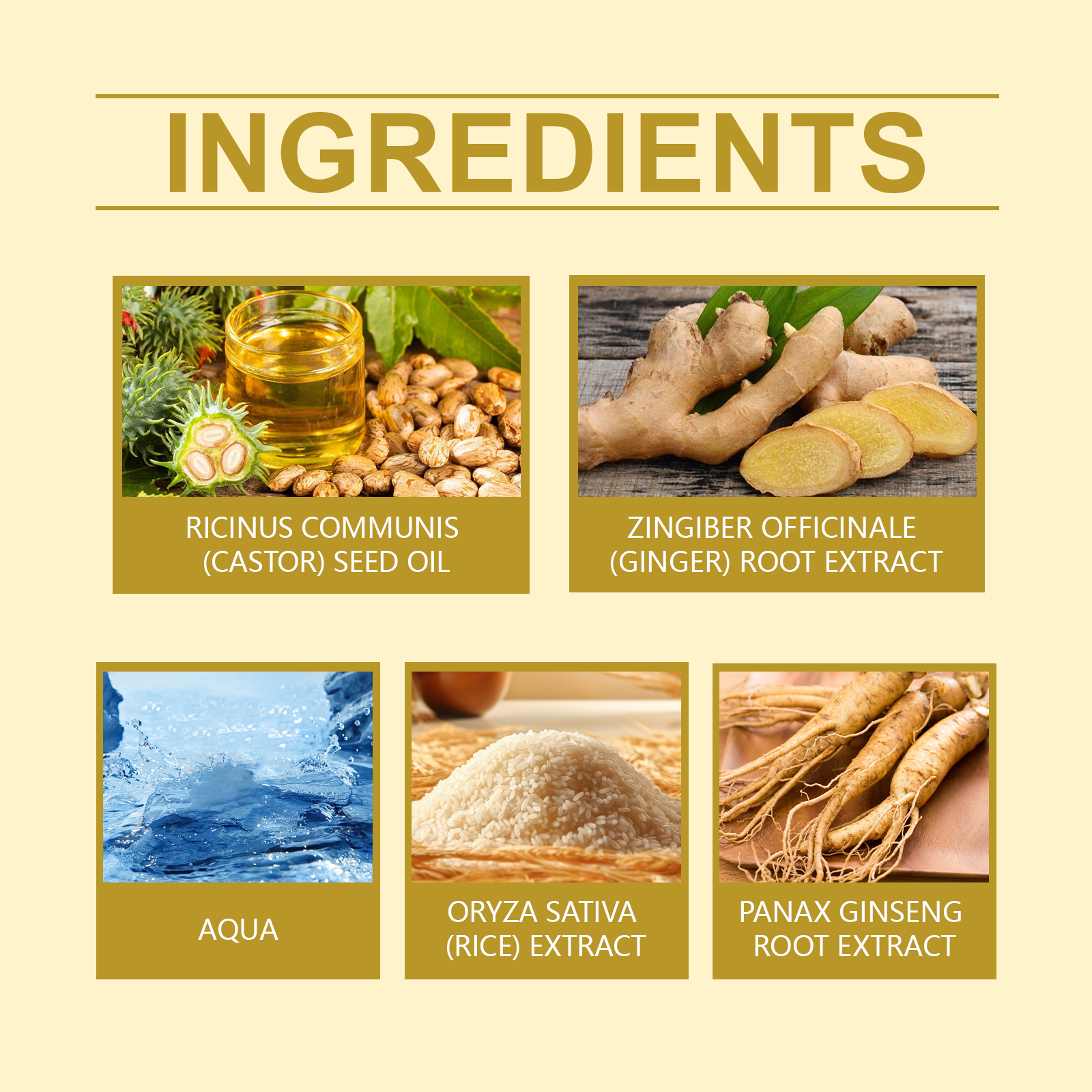
Nutritional support included 5000 IU vitamin D3 with K2 (vitamin D deficiency is extremely common in psoriasis and may worsen the condition), 2000 mg omega-3 fatty acids (EPA/DHA), 30 mg zinc, and a probiotic containing Lactobacillus rhamnosus GG, which has been studied for its potential benefits in psoriasis. I also followed an anti-inflammatory diet: Mediterranean-style eating with emphasis on fatty fish, turmeric, berries, and leafy greens while eliminating processed foods, refined sugar, and alcohol.
The timeline was a two-track process: clearing the psoriasis first, then regrowing the hair. Months one through four: gradual plaque improvement on apremilast, continued hair shedding from the inflammatory process. Month five: approximately 50% scalp clearance, started minoxidil once daily. Month six: 70% clearance, increased minoxidil to twice daily. Month eight: first baby hairs visible in previously plaque-covered areas. Month ten: visible thickening, approximately 30% regrowth in the thinned areas. Month thirteen: approximately 55% regrowth, plaques well-controlled with only occasional small flares.
The setbacks included the initial minoxidil irritation at month five — my scalp became red and itchy in the application areas. My dermatologist recommended applying minoxidil only to cleared, non-inflamed areas and using a hydrocortisone 1% lotion to calm the irritation. I also experienced a psoriasis flare at month nine triggered by a stressful life event (a family emergency), which caused temporary increased shedding. The flare was managed with a short course of the clobetasol shampoo.
At month fifteen, my scalp psoriasis is well-controlled — about 90% clearance on most days — and my hair density has recovered to approximately 70% of what it was before the psoriasis became severe. I continue apremilast and the topical maintenance regimen, and I use minoxidil daily.
Key Takeaways and Recommendations
The practical takeaways: Scalp psoriasis must be controlled before hair regrowth treatments can be effective. Apremilast and biologics are significant improvements for moderate-to-severe scalp psoriasis that does not respond to topicals alone. Minoxidil can help regrow hair lost to psoriasis-related inflammation but should be introduced gradually on cleared skin. Vitamin D optimization is particularly important for psoriasis patients. And the scratching must be addressed — I found that keeping my nails very short and using ice packs on itchy areas prevented the most damaging scratching episodes.
My scalp still has occasional flares, and I still lose a little more hair during them. But the overall trajectory is one of improvement, and that gives me hope.
One aspect of this journey that I have not seen discussed enough is the financial cost. Between dermatologist visits, bloodwork, prescription medications, over-the-counter supplements, and hair care products, I spent approximately $200-300 monthly on hair recovery. Insurance covered some of the prescriptions but none of the supplements or topical treatments. I mention this not to discourage anyone but to set realistic expectations — effective hair loss treatment is an investment, and budgeting for it is part of the process.
I also want to talk about the role of patience in a way that goes beyond the obvious “be patient” advice. True patience in hair recovery means accepting that you will have weeks where it seems like nothing is happening, weeks where things seem to be getting worse, and occasional weeks where you notice genuine improvement. The overall trajectory matters more than any single data point. I found it helpful to review my monthly photos rather than daily mirror checks — the progress was much more visible when viewed over longer intervals.
The social dimension of hair loss is something I underestimated. Comments from well-meaning friends and family — “Have you tried biotin?” or “My cousin used rosemary oil and it worked!” — while intended to be helpful, often felt dismissive of the medical complexity I was navigating. I learned to have a prepared response: “I am working with a dermatologist on a comprehensive treatment plan, and I appreciate your concern.” This was polite but also set a boundary that stopped the unsolicited advice.
I also found it helpful to be selective about who I shared my journey with. Not everyone deserves access to your vulnerability. I shared openly with my closest friends and family, selectively with colleagues, and not at all with acquaintances. This protected my emotional energy for the things that mattered — my treatment, my recovery, and my mental health.
One more practical point: I kept a detailed journal throughout my recovery, noting my treatment adherence, stress levels, sleep quality, and subjective hair assessments. Looking back, this journal was invaluable for identifying patterns — I could see that poor sleep consistently preceded increased shedding, and that the shedding always decreased about 4-6 weeks after a particularly good stretch of adherence to my protocol.
I want to address something that rarely comes up in hair loss discussions: the role of expectations. When I started treatment, I expected a linear improvement — steady, consistent progress toward full recovery. The reality was anything but linear. There were plateaus, regressions, and unexpected leaps forward. The path was more like a stock market chart than a straight line, and accepting this non-linearity was essential for my mental health.
I also learned to redefine success. My initial goal was full restoration to my pre-loss hair density. As the journey progressed, I adjusted this to meaningful improvement — hair that looked good, felt healthy, and allowed me to live without constant anxiety about my appearance. This adjusted expectation was not giving up; it was being realistic about what treatment could achieve while still appreciating the genuine gains I was making.
The comparison trap is another danger. Other people’s before-and-after photos on social media can be inspiring, but they can also be misleading. Lighting, angles, styling, and photo editing all affect how hair looks in images. Your real-life mirror under normal lighting is a more accurate gauge than anyone’s Instagram post.
One aspect of this journey that I have not seen discussed enough is the financial cost. Between dermatologist visits, bloodwork, prescription medications, over-the-counter supplements, and hair care products, I spent approximately $200-300 monthly on hair recovery. Insurance covered some of the prescriptions but none of the supplements or topical treatments. I mention this not to discourage anyone but to set realistic expectations — effective hair loss treatment is an investment, and budgeting for it is part of the process.
I also want to talk about the role of patience in a way that goes beyond the obvious “be patient” advice. True patience in hair recovery means accepting that you will have weeks where it seems like nothing is happening, weeks where things seem to be getting worse, and occasional weeks where you notice genuine improvement. The overall trajectory matters more than any single data point. I found it helpful to review my monthly photos rather than daily mirror checks — the progress was much more visible when viewed over longer intervals.
Internal linking suggestions: [Scalp Psoriasis and Hair Loss: Complete Guide], [Best Treatments for Scalp Psoriasis], [Minoxidil on Inflamed Scalp: Safety Guide]