
Hair Regrowth Blog
Welcome to the HowRegrowHair blog – your trusted resource for science-backed hair growth information, treatment guides, and real success stories.
Latest Articles
Browse our latest research-driven articles below:
-
Ashwagandha for Hair Loss: Best Supplements & Dosage Guide
How Ashwagandha Supports Hair Growth Ashwagandha (Withania somnifera) is an adaptogenic herb that has been used in Ayurvedic medicine for over 3,000 years. While it is not a direct hair… Read More →
-
Best Microcurrent Scalp Devices for Hair Growth in 2025
How Microcurrent Therapy Stimulates Hair Growth Microcurrent therapy delivers extremely low-level electrical currents (typically 1-1,000 microamps) to the scalp to stimulate cellular activity in hair follicles. This technology has been used in wound healing and pain management for decades, and its application to hair growth is backed by a growing body of evidence. Best Microcurrent…
-
Antibiotic Gut Disruption and Downstream Effect on Hair Health
The Gut-Hair Axis: Why Antibiotics Can Cause Hair Loss The gut microbiome — the trillions of bacteria, fungi, and other microorganisms living in the intestinal tract — influences virtually every aspect of human health, from immune function to metabolism to mental health. A growing body of evidence now connects the gut microbiome to hair follicle…
-
CBD Oil for Hair Growth: Best Products & What Science Says 2025
How CBD Interacts with Hair Follicles Cannabidiol (CBD) — the non-psychoactive compound in cannabis — has exploded in the wellness market, and hair care is no exception. But beyond the… Read More →
-
Proteoglycans in Hair Follicle Cycling The Matrix Growth Signals
Proteoglycans: The Information-Rich Matrix Molecules Proteoglycans are large molecules consisting of a core protein covalently attached to one or more glycosaminoglycan (GAG) chains. In the hair follicle, proteoglycans serve dual functions: they provide structural support for the extracellular matrix, and they regulate the availability and activity of growth factors that control follicle cycling. Far from…
-
From Hair Oil Overload to Healthy Roots: Reversing Folliculitis-Tri…
I was doing everything right — or so I thought. I oiled my scalp religiously with a blend of castor oil, rosemary oil, and coconut oil every night. I used… Read More →
-
From Minoxidil Dependency Shed to New Growth: Breaking the Cycle Af…
I had been using minoxidil for five years when I decided to stop. The reason was not side effects or cost — it was the anxiety of dependency. Every morning and night, I applied the foam, terrified that missing even one dose would restart my hair loss. I felt trapped by a product that was…
-
How Long Should You Wait Between Derma Rolling and Minoxidil Use?
How Long Should You Wait Between Derma Rolling and Minoxidil? The recommended wait time between derma rolling and applying minoxidil depends on the needle depth you use. For needle depths of 0.5mm or less, wait at least 24 hours before applying minoxidil. For needle depths of 1.0mm or more, wait 24-48 hours. Applying minoxidil immediately…
-
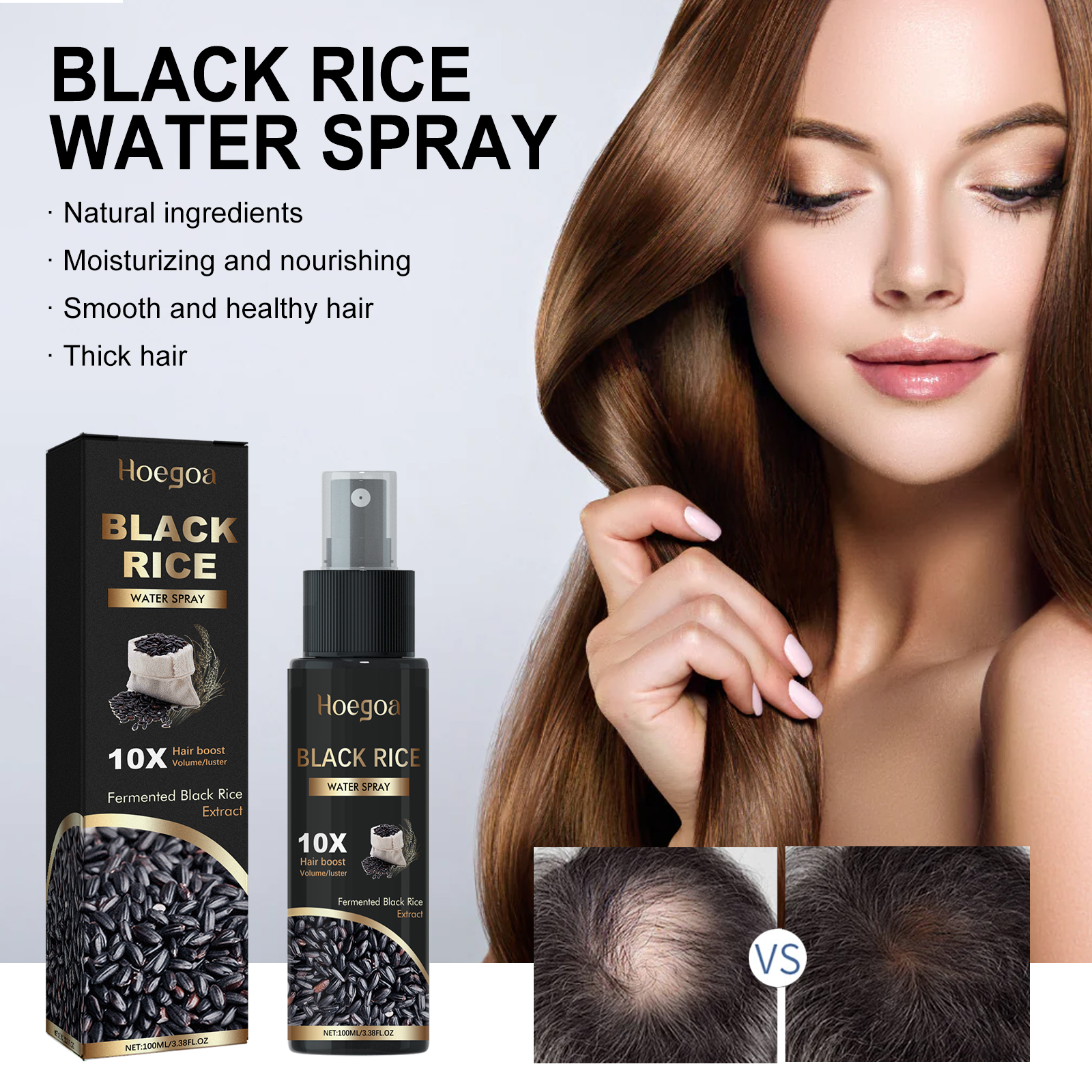
Batana Oil for Hair Regrowth: The Honduran Secret Reviewed
What Is Batana Oil and Why Is It Trending? Batana oil — also known as Ojon oil — is extracted from the nut of the American palm (Elaeis oleifera), native to the rainforests of Honduras and Central America. The Miskito people of Honduras have used batana oil for centuries to maintain their famously thick, dark,…
-
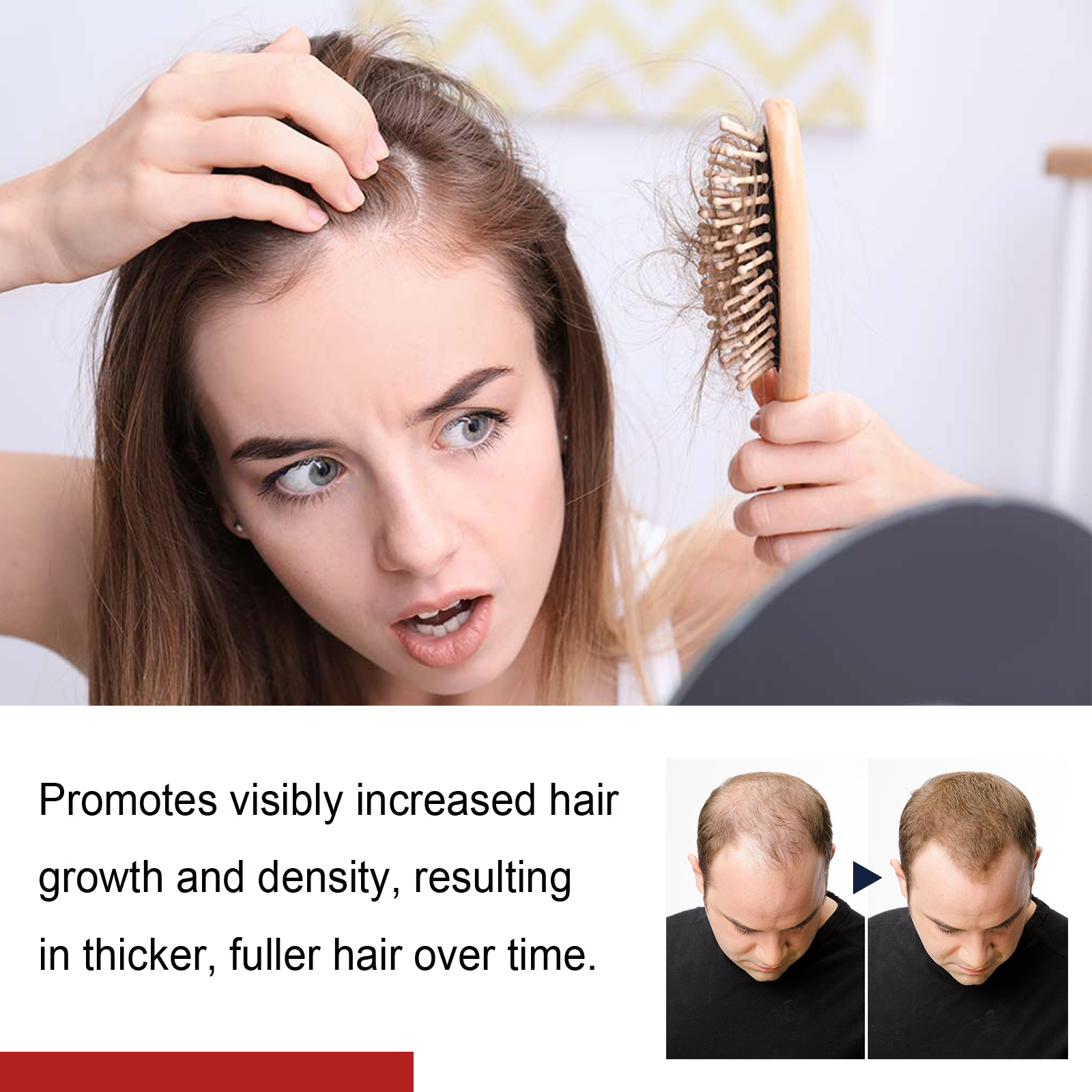
Stem Cell Hair Growth Serums: Do They Really Work? Review 2025
The Promise of Stem Cell Technology for Hair Stem cell hair growth serums represent one of the most exciting — and most hyped — frontiers in hair loss treatment. The… Read More →
-
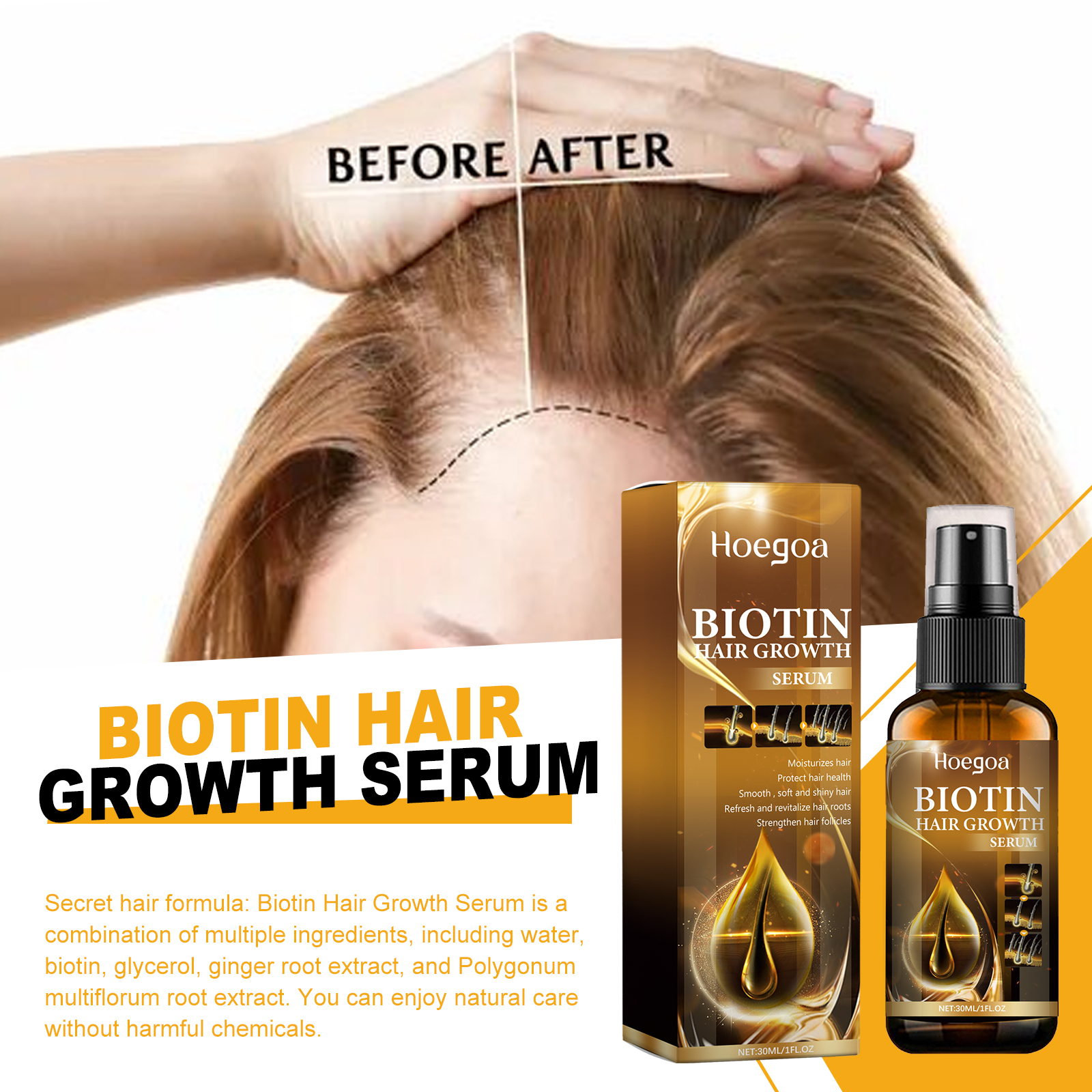
Baicapil Hair Growth Ingredients: Science & Best Products 2025
What Is Baicapil? Baicapil is a patented botanical complex developed by Provital Group that combines three plant-derived ingredients: Soybean extract (Glycine max), Wheat germ extract (Triticum vulgare), and Baicalin from… Read More →
-
Is It Safe to Use Hair Growth Products With Thyroid Medication?
Can You Use Minoxidil and Other Hair Treatments While on Thyroid Medication? Yes, topical hair growth products like minoxidil are generally safe to use alongside thyroid medication. Minoxidil works locally on the scalp and has minimal interaction with thyroid medications taken orally. However, thyroid conditions themselves are a major cause of hair loss, and optimizing…
Popular Topics
- Science & Ingredients – Deep dives into the biology of hair growth
- Reviews & Buying Guides – Honest product reviews and comparison guides
- Support & FAQ – Practical how-to guides