Hair Regrowth Blog
Welcome to the HowRegrowHair blog – your trusted resource for science-backed hair growth information, treatment guides, and real success stories.
Latest Articles
Browse our latest research-driven articles below:
-
PDGF in Hair Growth The Platelet-Derived Growth Factor Connection
PDGF: From Wound Healing to Hair Regeneration Platelet-derived growth factor (PDGF) was first identified as a mitogen released from platelets during blood clotting, where it stimulates the proliferation of fibroblasts and smooth muscle cells needed for wound repair. But PDGF has a second, equally important role: it is a critical signaling molecule in hair follicle…
-
From Shedding to Thick: My 10-Month Journey After Stopping Birth Co…
When I decided to stop taking my birth control pills after twelve years, I thought the worst I would deal with was irregular periods and some acne. Nobody warned me about the hair loss. Within eight weeks of my last pill, my hair started falling out in quantities I had never experienced before. Understanding From…
-
From Long-Haul Shedding to Regrowth: My 9-Month Post-COVID Recovery
When people talk about long COVID, they usually mention brain fog, fatigue, and shortness of breath. Nobody talks about the hair loss. But for me, losing my hair was the… Read More →
-
Can Drinking Alcohol Affect Your Hair Growth Treatment Results?
Does Alcohol Consumption Impact Hair Growth Treatment? Moderate alcohol consumption does not significantly interfere with hair growth treatments like minoxidil or finasteride. However, heavy or chronic alcohol use can indirectly… Read More →
-
microRNAs That Regulate Hair Follicle Development The Tiny Controllers
microRNAs: The Micro-Managers of Gene Expression MicroRNAs (miRNAs) are tiny RNA molecules — typically only 20-25 nucleotides long — that regulate gene expression by binding to messenger RNA (mRNA) and either blocking its translation into protein or targeting it for degradation. A single miRNA can regulate hundreds of target genes, making these molecules powerful modulators…
-
Dutasteride vs Finasteride for Hair Loss: Which Works Better?
Understanding 5-Alpha-Reductase Inhibitors Both dutasteride and finasteride belong to the same class of drugs — 5-alpha-reductase inhibitors — but they differ significantly in potency, mechanism, and approval status for hair loss. Understanding these differences is critical for making an informed treatment decision. Dutasteride vs Finasteride for Hair Loss: Which Works Better? The Two Types of…
-
Neuroinflammation and Perifollicular Nerve Signals in Hair Loss
The Nervous System of the Scalp: More Than Just Sensation The scalp is one of the most densely innervated regions of the body. Perifollicular nerve fibers — thin, unmyelinated C-fibers and some myelinated Aδ-fibers — wrap around each hair follicle in a mesh-like network, making direct contact with follicle epithelium, the dermal papilla, and the…
-
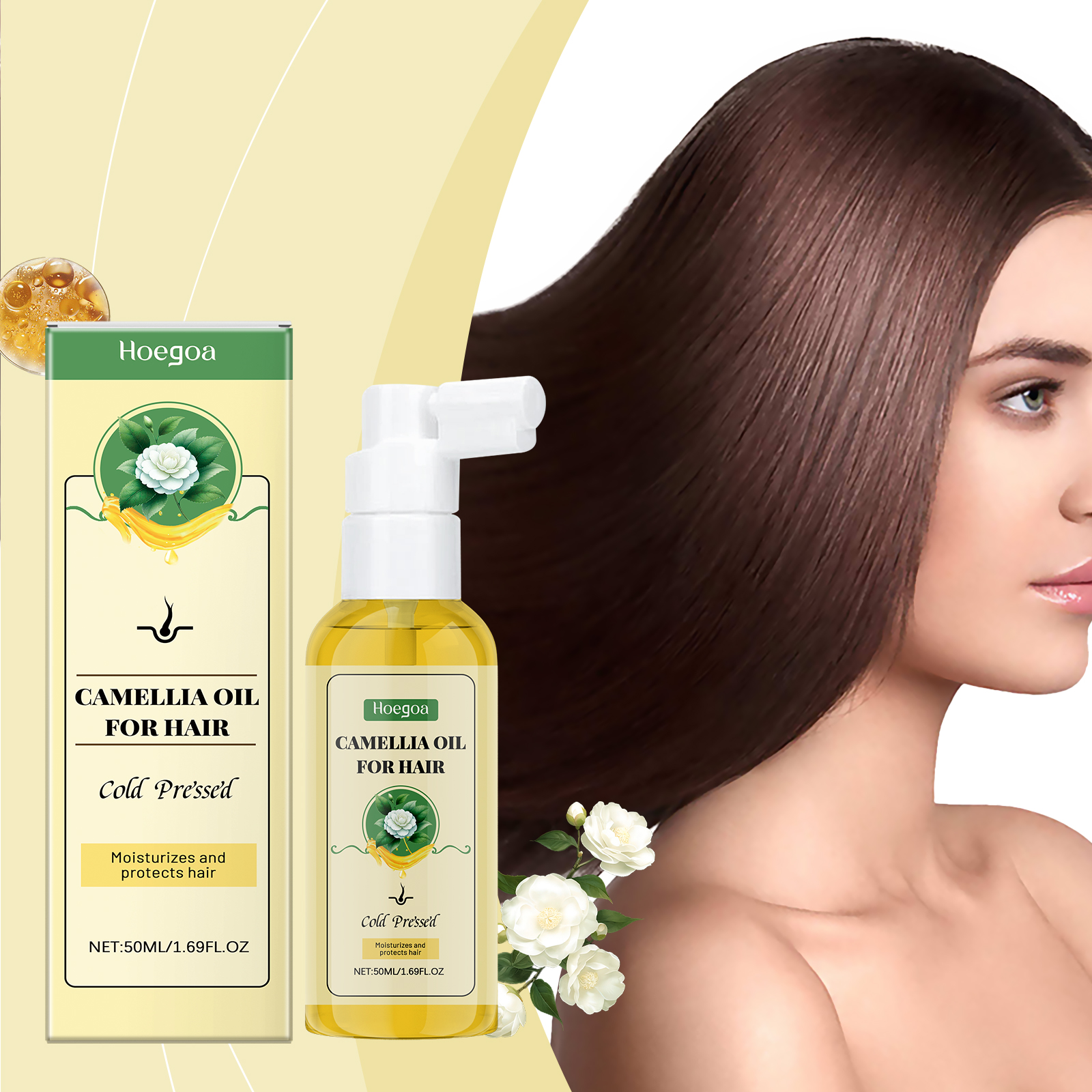
Estriol in Female Hair Follicle Biology The Weak Estrogen Protective
Estriol: The Forgotten Estrogen in Hair Biology When discussing estrogens and hair, most attention focuses on estradiol (E2) — the dominant estrogen in premenopausal women. But estriol (E3), often dismissed as a “weak” estrogen, plays a unique and underappreciated role in female hair follicle biology. Understanding estriol’s distinct mechanism of action helps explain why some…
-
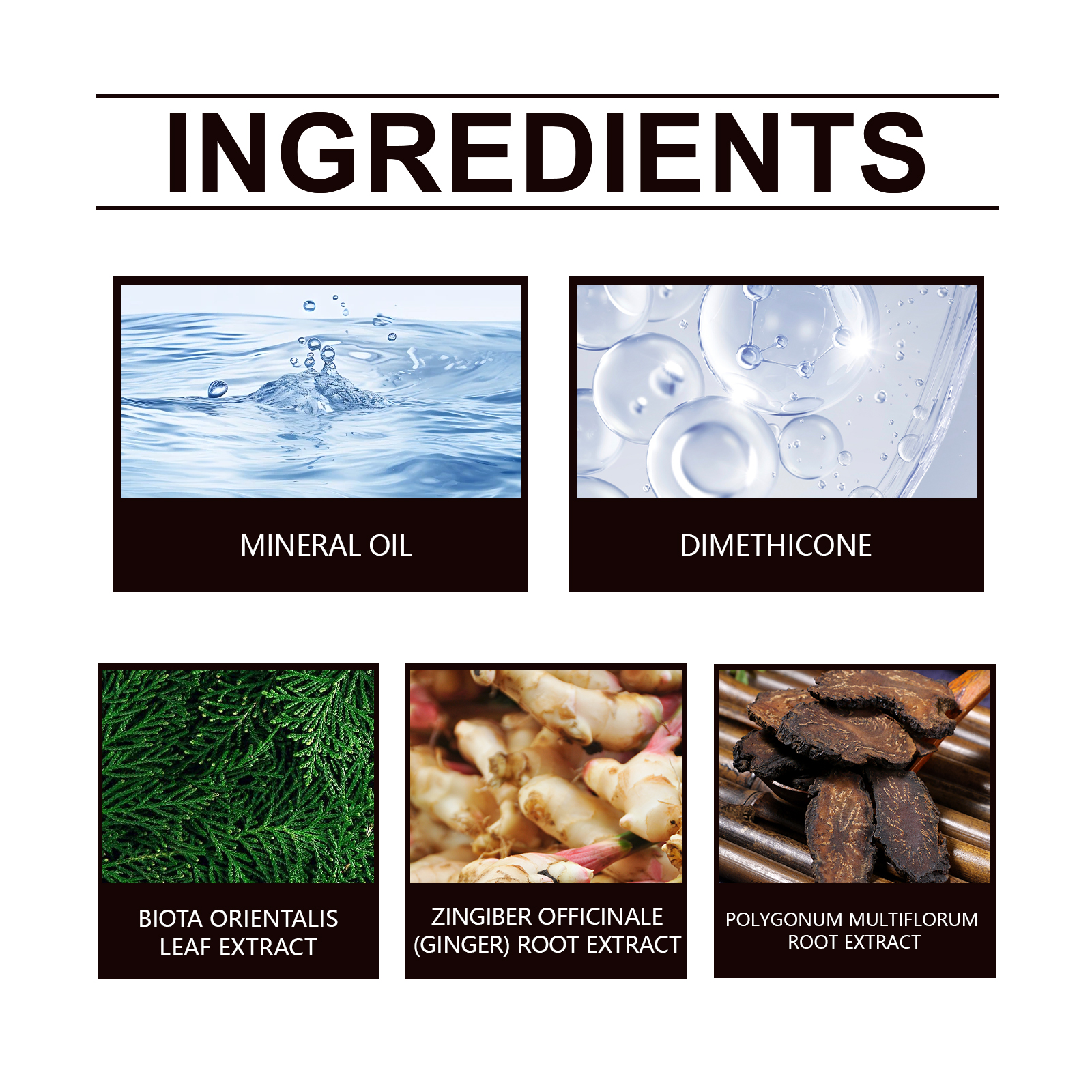
Vitamin A Retinol Toxicity and Hair Loss When Too Much Harms
Vitamin A: Essential but Dangerous in Excess Vitamin A (retinol and its derivatives) is essential for skin health, immune function, and vision. In hair biology, retinoic acid — the active… Read More →
-
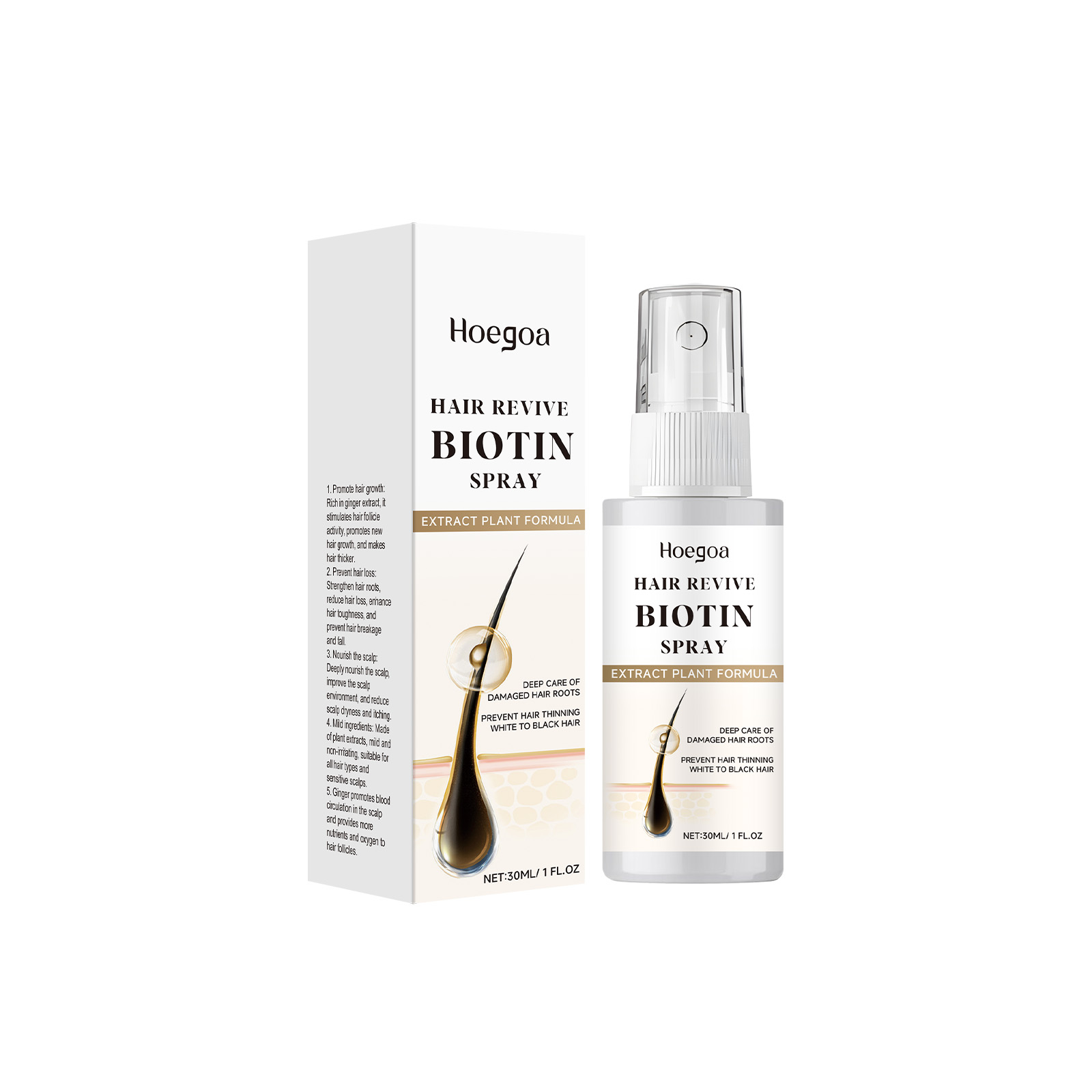
Hedgehog Pathway Agonists for Hair Growth Reactivating Follicles
The Hedgehog Pathway: A Master Regulator of Hair Follicle Development The Hedgehog (Hh) signaling pathway, named after the spiky Drosophila mutant that led to its discovery, is one of the most important developmental signaling cascades in biology. In hair follicles, Sonic Hedgehog (Shh) is essential for the initial formation of follicles during embryogenesis and for…
-
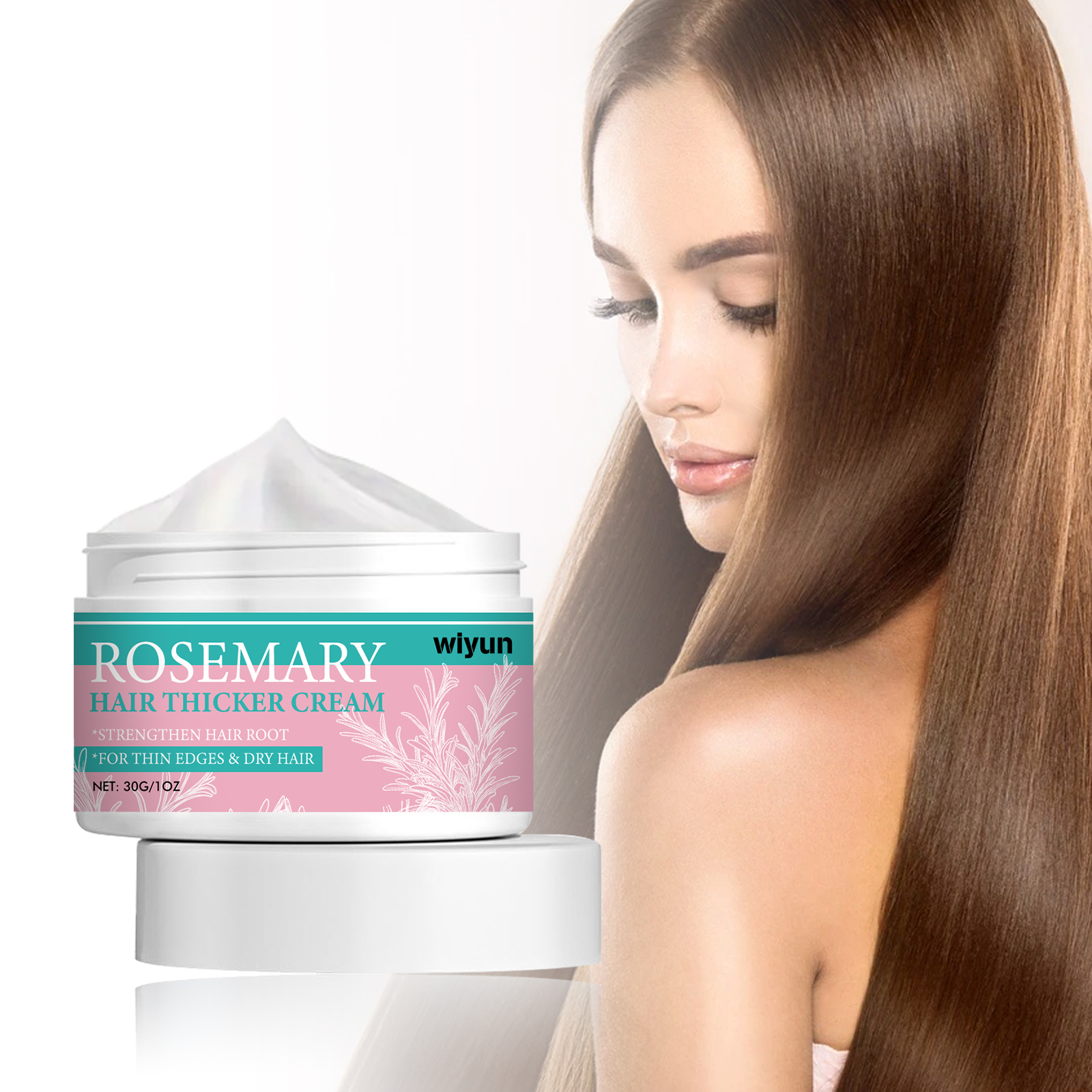
Best Scalp Detox Products for Hair Growth: Complete Guide 2025
What Is Scalp Detox and Why Does It Matter? Your scalp is skin — and like the skin on your face, it accumulates dead cells, sebum, product residue, environmental pollutants, and mineral deposits from hard water. Over time, this buildup can clog hair follicles, create an inflammatory environment, and impede the absorption of hair growth…
-
From East Meets West to Real Growth: Combining TCM and Western Medi…
After two years of unsuccessful Western treatments for my hair loss — minoxidil caused scalp irritation, finasteride gave me side effects, and supplements alone did nothing — I was ready… Read More →
Popular Topics
- Science & Ingredients – Deep dives into the biology of hair growth
- Reviews & Buying Guides – Honest product reviews and comparison guides
- Support & FAQ – Practical how-to guides