
The Science of Red Ginseng for Hair Growth
Korean red ginseng (Panax ginseng) has been a cornerstone of Traditional Korean Medicine for millennia, and modern research is confirming its hair growth potential. Red ginseng is created by steaming and drying fresh ginseng roots, a process that converts ginsenoside Rb1 into ginsenoside Rg3 and other bioactive compounds with enhanced pharmacological activity.
How Red Ginseng Promotes Hair Growth
A 2020 study in the Journal of Ginseng Research identified three key mechanisms:
- DHT inhibition: Ginsenoside Rg3 competitively inhibits 5-alpha-reductase, reducing DHT production by approximately 25-30% in vitro
- Wnt/β-catenin pathway activation: Red ginseng extract activates the Wnt signaling pathway, which is essential for initiating the anagen (growth) phase in dormant follicles
- VEGF upregulation: Increases vascular endothelial growth factor, improving blood supply to follicles
A 2021 randomized clinical trial found that a 3% red ginseng topical formulation significantly increased hair density after 16 weeks compared to placebo, with results approaching those of 2% minoxidil.
Best Red Ginseng Hair Products
1. RYO Hair Loss Care Shampoo & Treatment
South Korea’s #1 hair loss care brand, featuring concentrated red ginseng extract. The shampoo and treatment system is designed for daily use.
Pros: #1 in Korea, daily-use format, pleasant herbal scent, visible volume improvement Cons: Contains mild sulfates; ginseng concentration not disclosed; primarily available online Rating: 4.4/5
2. Donginbi Red Ginseng Hair Tonic
A premium scalp tonic from South Korea’s top luxury ginseng brand. Contains 3% concentrated red ginseng extract with a precision applicator for scalp targeting.
Pros: Luxury formulation, precision applicator, concentrated ginseng, fast-absorbing Cons: Expensive; small bottle; requires consistent twice-daily use Rating: 4.5/5
3. Amorepacific Ryoe Hair Loss Relief Scalp Serum
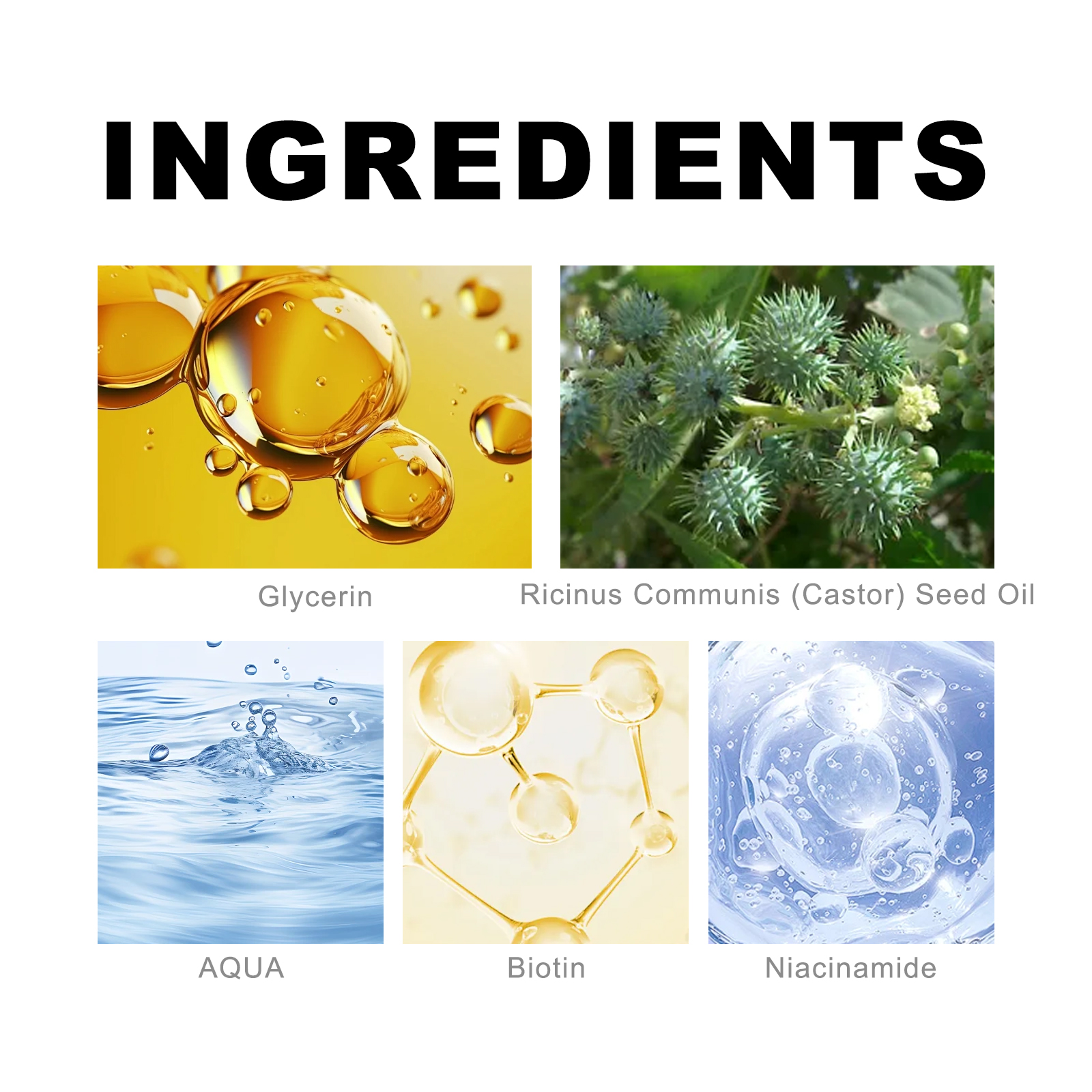
From Amorepacific (Korea’s largest beauty company), this serum combines red ginseng with biotin and niacinamide for a multi-pathway approach.
Pros: Backed by major beauty conglomerate, multi-ingredient, elegant packaging Cons: Limited international availability; premium pricing Rating: 4.3/5
4. Korean Red Ginseng Extract Capsules (Cheong Kwan Jang)
Oral supplementation with 100% Korean red ginseng extract standardized to contain 7% ginsenosides. For systemic DHT inhibition and hair growth support.
Pros: Systemic approach, trusted heritage brand, standardized ginsenoside content Cons: Expensive; takes longer to see hair-specific results; not targeted to scalp Rating: 4.2/5
Comparison Table: Red Ginseng Hair Products
| Product | Type | Ginseng Form | Concentration | Price/Month | |———|——|————-|—————|————-| | RYO Shampoo | Cleanser | Extract | Undisclosed | $15-20 | | Donginbi Tonic | Scalp tonic | Concentrated extract | 3% | $30-40 | | Amorepacific Serum | Serum | Extract + biotin | Undisclosed | $25-35 | | Cheong Kwan Jang | Oral | Standardized extract | 7% ginsenosides | $30-50 |
How to Use Red Ginseng for Hair Growth
Topical Application Protocol
- Apply ginseng tonic or serum to clean, dry scalp
- Part hair in 1-inch sections and apply along the part
- Massage with fingertips for 3-5 minutes
- Do not rinse — leave on for at least 4 hours
- Use twice daily for 16+ weeks before evaluating results
Oral Supplementation Protocol
- Take 1-2 capsules of standardized Korean red ginseng daily
- Take with food to improve absorption
- Cycle usage: 8 weeks on, 2 weeks off (prevents adaptation)
- Expect 12-16 weeks before noticing hair-specific benefits
Who Benefits Most from Red Ginseng?
- People with early-stage thinning who want a natural alternative
- Women with diffuse thinning (the DHT inhibition is gentle enough for female use)
- Those already on minoxidil seeking a complementary natural treatment
- People of East Asian descent (most clinical data is from Korean populations)
- Anyone with stress-related hair loss (ginseng is an adaptogen that reduces cortisol)
Buying Guide: How to Choose Quality Red Ginseng Products
- “Korean Red Ginseng” specifically — not just “ginseng” (white ginseng has different ginsenoside profile)
- Standardized ginsenoside content — look for at least 5-7% ginsenosides
- Concentration disclosure — reputable brands state their ginseng percentage
- Steaming process — red ginseng’s steaming is what creates the most bioactive ginsenosides
- Korean origin — Korean-sourced ginseng has the most rigorous quality standards
Final Verdict
Red ginseng is one of the most scientifically supported natural ingredients for hair growth, with multiple mechanisms of action and growing clinical evidence. Donginbi Red Ginseng Tonic offers the most concentrated and effective topical option, while RYO Shampoo makes ginseng accessible for daily use. For a systemic approach, Cheong Kwan Jang oral capsules are the gold standard. Red ginseng works best as part of a multi-treatment protocol and is particularly valuable for those seeking natural DHT modulation.
Internal links: Explore ashwagandha hair supplements and natural DHT blockers.
Frequently Asked Questions About Red Ginseng Hair Products
Is red ginseng better than white ginseng for hair growth?
Yes, for hair growth specifically, red ginseng is superior. The steaming process that creates red ginseng converts ginsenoside Rb1 into more bioactive compounds including Rg3, Rh2, and compound K. These transformed ginsenosides have stronger DHT-inhibiting and Wnt-activating activity than those found in white (unprocessed) ginseng. Also, red ginseng has higher antioxidant content due to the Maillard reaction that occurs during steaming.
Can I take red ginseng orally for hair growth, or is topical better?
Both approaches have merit, and the optimal strategy is combining both. Oral supplementation provides systemic DHT inhibition and adaptogenic benefits (cortisol reduction), while topical application delivers ginsenosides directly to the follicle. If you must choose one, oral supplementation provides broader benefits including stress reduction, which is a significant contributor to hair loss. Topical application provides more targeted follicle stimulation.
How does red ginseng compare to saw palmetto for DHT blocking?
Saw palmetto has stronger evidence as a DHT blocker, with studies showing approximately 30-40% DHT reduction compared to red ginseng’s 25-30%. However, red ginseng offers additional benefits that saw palmetto does not: Wnt pathway activation (which directly stimulates follicle re-entry into anagen), adaptogenic stress reduction, and improved circulation. For comprehensive natural DHT management, combining both may be more effective than either alone.
Are there any side effects of red ginseng for hair?
Red ginseng is generally well-tolerated, but some people may experience insomnia (due to its stimulating properties), headaches, or digestive discomfort. It may also interact with blood thinners, diabetes medications, and stimulant medications. Start with a lower dose and increase gradually. The traditional cycling approach (8 weeks on, 2 weeks off) helps prevent adaptation and side effects.
Deeper Dive
Ashwagandha and the Stress-Hair HPA Axis: Chronic stress activates the HPA axis, producing cortisol that pushes follicles from anagen to telogen, reduces IGF-1 and VEGF production, and increases inflammatory cytokines. Ashwagandha interrupts this cascade at the adrenal level, reducing cortisol by up to 30% and allowing the HPA axis to normalize. This restores normal follicle cycling, making ashwagandha particularly effective for telogen effluvium. Combine with meditation, exercise, and adequate sleep for maximum cortisol management and hair retention.
Ashwagandha Formulations and Dosage
KSM-66 vs Sensoril: KSM-66 is a root-only extract standardized to 5% withanolides, optimized for stress reduction and has the most clinical evidence for cortisol lowering (the primary hair-relevant benefit). Sensoril is a root-and-leaf extract standardized to 10% withanolides, more potent for anxiety and sleep but less studied specifically for cortisol. For hair loss driven by stress, KSM-66 at 300-600mg daily is the evidence-based choice.
Timing matters: Take ashwagandha with evening meals for optimal cortisol reduction overnight (when natural cortisol should be lowest but often remains elevated in chronically stressed individuals). This timing aligns with the body’s natural cortisol rhythm and maximizes the follicle recovery that occurs during sleep.
Monitoring: Track progress using morning cortisol saliva tests (before and after 8 weeks of supplementation). If cortisol normalizes but hair shedding continues, the hair loss likely has additional causes beyond stress that need separate treatment.
Ashwagandha Combinations for Maximum Hair Benefit
Ashwagandha works best for hair loss when combined with complementary adaptogens and nutrients:
Ashwagandha + Rhodiola Rosea: Rhodiola enhances the stress-reduction effects of ashwagandha through different pathways (ashwagandha modulates cortisol, rhodiola modulates catecholamines like adrenaline and noradrenaline). Together, they provide broader stress coverage. Take ashwagandha 300mg morning and evening, plus rhodiola 200mg morning only (it can be stimulating).
Ashwagandha + Magnesium Glycinate: Magnesium is essential for over 300 enzymatic reactions including those involved in hair growth, and magnesium deficiency is common in stressed individuals (stress depletes magnesium stores). This combination addresses both the stress (ashwagandha) and the nutritional depletion (magnesium) that contribute to stress-related hair loss.
Ashwagandha + Evening Primrose Oil: For women, this combination addresses both the stress component (ashwagandha) and hormonal component (GLA in evening primrose oil supports healthy prostaglandin balance) of female pattern hair loss. This is particularly effective for women whose hair loss worsens around their menstrual period.
Related Searches
- korean red ginseng hair growth before and after
- does red ginseng work for male pattern baldness
- best korean ginseng shampoo for hair loss
- red ginseng vs minoxidil for hair growth study
- ginsenoside Rg3 DHT inhibition hair loss
- Donginbi red ginseng hair tonic review results