

Every fall, I would shed a little more hair. My dermatologist called it “seasonal shedding” — a normal phenomenon where hair follicles respond to changes in daylight and temperature. But two years ago, the fall shedding never stopped. It continued through winter, spring, and summer. What had been a temporary cycle became a chronic, relentless daily loss of 150-200 hairs.
Understanding From Seasonal Shed That Stayed to Stable: Reversing Chronic Telogen…
Chronic telogen effluvium (CTE) is different from acute telogen effluvium. Acute TE has a clear trigger — illness, medication, surgery — and typically resolves within 6 months. CTE has no obvious trigger, or the trigger has resolved but the shedding continues in a self-perpetuating cycle. The hair follicles become trapped in an abnormal cycling pattern, continuously shifting from anagen to telogen prematurely.

The frustration of CTE is that your hair looks “normal enough” that most people — including many doctors — do not take it seriously. I was not bald. I did not have visible patches. But my hair density had decreased by approximately 35% over two years, and every day felt like a losing battle against the drain.
I saw five doctors before finding one who understood CTE. Three told me my hair looked fine and I was overreacting. One ran basic bloodwork (all normal) and told me to take biotin. The fifth — a dermatologist specializing in hair disorders — performed a hair pull test (positive), a trichoscopy (showing increased empty follicles and variation in hair shaft diameter), and a wash test (178 hairs in a single wash — clearly abnormal).
Extended bloodwork revealed subtle but important findings: ferritin of 22 ng/mL (not anemic but not optimal for hair — hair specialists typically recommend ferritin above 50 for women with CTE), vitamin D of 24 ng/mL, and slightly elevated TSH at 4.2 mIU/mL (upper limit of normal but possibly significant for hair cycling). No obvious androgenetic alopecia on trichoscopy.
The protocol was comprehensive. I started 5% minoxidil foam applied twice daily — the most important intervention for CTE because it forces follicles back into anagen. For the ferritin, I took 325 mg iron bisglycinate every other day with vitamin C. For vitamin D, 5000 IU D3 with K2 daily. My endocrinologist and I decided to trial a low dose of levothyroxine (25 mcg) given the borderline TSH, which we would reassess in three months.
I also made significant lifestyle changes. I prioritized sleep — at least 7.5 hours nightly — because growth hormone release during deep sleep directly affects hair cycling. I started moderate exercise (walking and yoga) instead of the high-intensity interval training I had been doing, which was likely elevating my cortisol. I eliminated calorie restriction — I had been intermittently fasting 16:8 and eating approximately 1400 calories daily, which was inadequate for my activity level and likely contributing to the CTE.
The psychological component was significant. I started cognitive behavioral therapy specifically for health anxiety related to hair loss. The obsessive checking — counting hairs, measuring my part, examining every photo — was making my anxiety worse, and the anxiety itself could perpetuate the CTE through cortisol effects on hair cycling. Learning to redirect my attention was genuinely helpful, though it took months of practice.
The timeline was slow but measurable. Months one through five of treatment: continued shedding with gradual reduction from 180 to about 100 hairs daily. Month six: shedding down to 60-80 hairs daily — nearly normal range. Month eight: first real sense of recovery — my part looked narrower, my ponytail felt slightly thicker. Month ten: objectively measurable improvement in hair density by about 20% from my lowest point. Month fourteen: stable at approximately 75% of my pre-CTE density.
The biggest setback was at month seven when a severe viral infection caused a brief but intense shedding episode that lasted three weeks. It was terrifying because I thought the CTE was restarting, but it resolved as I recovered from the virus. I also had to stop and restart minoxidil at month four because of a scalp irritation from a hair product that interacted badly with the foam — I switched to the liquid formulation applied with a dropper, which was less irritating.
Key Takeaways and Recommendations
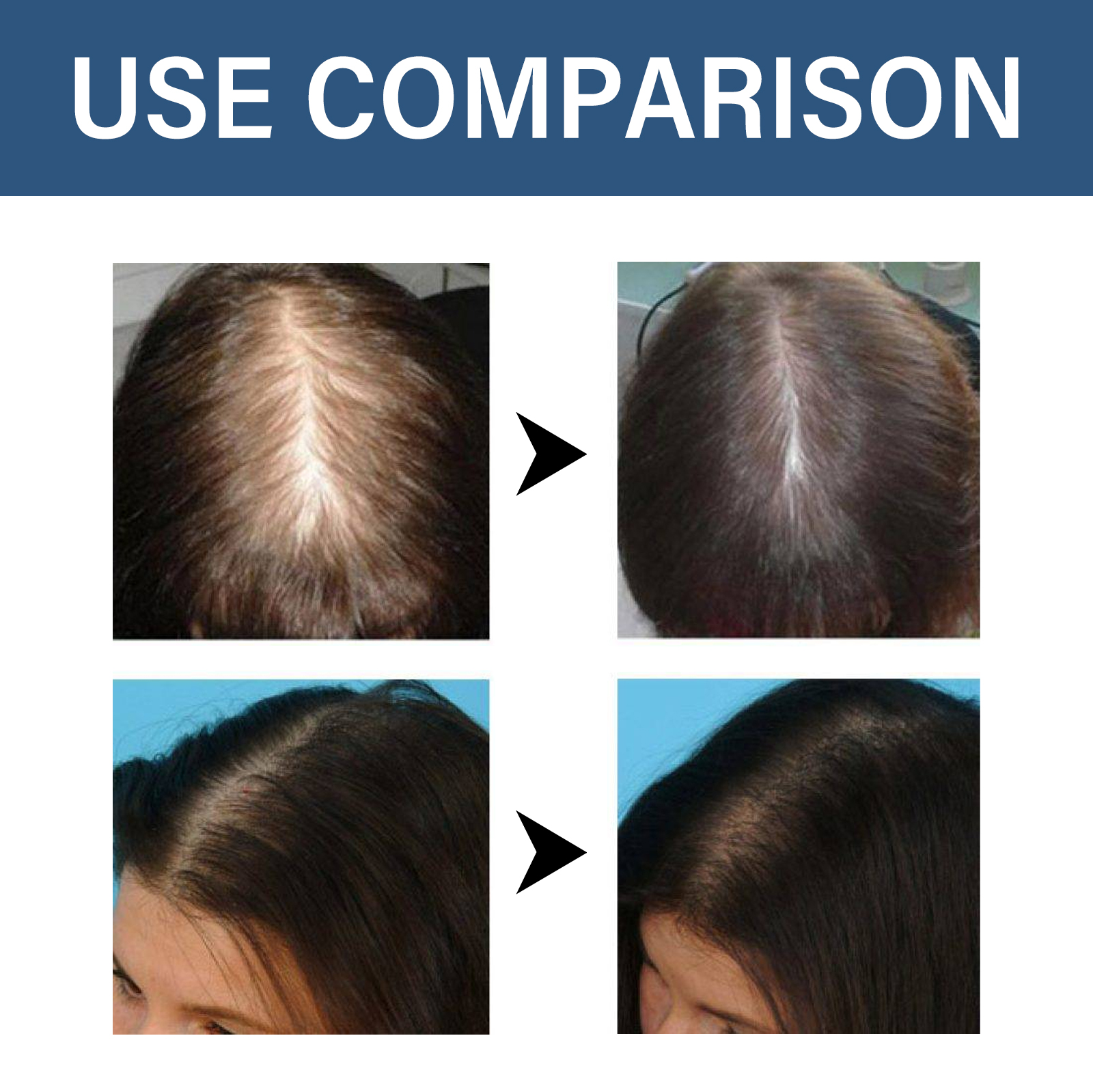
At month sixteen, my CTE is under control. I still shed more than the average person — about 60-80 hairs daily instead of the typical 50 — but it is manageable and my hair density is stable. I continue minoxidil daily and likely will indefinitely, as stopping would probably trigger another shedding episode. My ferritin is now 52 ng/mL, vitamin D is 38, and my TSH has normalized on low-dose levothyroxine.
The practical takeaways: CTE is a real, valid condition that deserves proper investigation and treatment. Demand thorough bloodwork including ferritin (aim for above 50), vitamin D, thyroid panel, and zinc. Minoxidil is the most effective treatment for breaking the chronic shedding cycle. Address every potential contributing factor — nutrition, thyroid, stress, sleep — because CTE is often multifactorial. And find a dermatologist who takes you seriously — if your doctor dismisses your concerns, get a second opinion.
Chronic shedding that started as “seasonal” and became permanent can be reversed. It takes time, persistence, and the right combination of interventions. But it can be done.
One aspect of this journey that I have not seen discussed enough is the financial cost. Between dermatologist visits, bloodwork, prescription medications, over-the-counter supplements, and hair care products, I spent approximately $200-300 monthly on hair recovery. Insurance covered some of the prescriptions but none of the supplements or topical treatments. I mention this not to discourage anyone but to set realistic expectations — effective hair loss treatment is an investment, and budgeting for it is part of the process.
I also want to talk about the role of patience in a way that goes beyond the obvious “be patient” advice. True patience in hair recovery means accepting that you will have weeks where it seems like nothing is happening, weeks where things seem to be getting worse, and occasional weeks where you notice genuine improvement. The overall trajectory matters more than any single data point. I found it helpful to review my monthly photos rather than daily mirror checks — the progress was much more visible when viewed over longer intervals.
The social dimension of hair loss is something I underestimated. Comments from well-meaning friends and family — “Have you tried biotin?” or “My cousin used rosemary oil and it worked!” — while intended to be helpful, often felt dismissive of the medical complexity I was navigating. I learned to have a prepared response: “I am working with a dermatologist on a comprehensive treatment plan, and I appreciate your concern.” This was polite but also set a boundary that stopped the unsolicited advice.
I also found it helpful to be selective about who I shared my journey with. Not everyone deserves access to your vulnerability. I shared openly with my closest friends and family, selectively with colleagues, and not at all with acquaintances. This protected my emotional energy for the things that mattered — my treatment, my recovery, and my mental health.
One more practical point: I kept a detailed journal throughout my recovery, noting my treatment adherence, stress levels, sleep quality, and subjective hair assessments. Looking back, this journal was invaluable for identifying patterns — I could see that poor sleep consistently preceded increased shedding, and that the shedding always decreased about 4-6 weeks after a particularly good stretch of adherence to my protocol.
I want to address something that rarely comes up in hair loss discussions: the role of expectations. When I started treatment, I expected a linear improvement — steady, consistent progress toward full recovery. The reality was anything but linear. There were plateaus, regressions, and unexpected leaps forward. The path was more like a stock market chart than a straight line, and accepting this non-linearity was essential for my mental health.
I also learned to redefine success. My initial goal was full restoration to my pre-loss hair density. As the journey progressed, I adjusted this to meaningful improvement — hair that looked good, felt healthy, and allowed me to live without constant anxiety about my appearance. This adjusted expectation was not giving up; it was being realistic about what treatment could achieve while still appreciating the genuine gains I was making.
The comparison trap is another danger. Other people’s before-and-after photos on social media can be inspiring, but they can also be misleading. Lighting, angles, styling, and photo editing all affect how hair looks in images. Your real-life mirror under normal lighting is a more accurate gauge than anyone’s Instagram post.
Internal linking suggestions: [Chronic Telogen Effluvium: Complete Guide], [Normal Hair Shedding vs. Telogen Effluvium], [Minoxidil for Chronic Shedding: What to Expect]