

After two years of unsuccessful Western treatments for my hair loss — minoxidil caused scalp irritation, finasteride gave me side effects, and supplements alone did nothing — I was ready to try something different. A friend suggested Traditional Chinese Medicine (TCM), and despite my skepticism, I was desperate enough to give it a try. What I found was not a miracle cure, but a complementary approach that, combined with modified Western treatments, finally produced results.
Understanding From East Meets West to Real Growth: Combining TCM and Western Medi…
My hair loss was diffuse thinning across my crown and temples, diagnosed as androgenetic alopecia with a component of telogen effluvium. Western treatments had addressed the androgenetic component but had not resolved the underlying imbalances that were perpetuating the telogen effluvium.
The TCM practitioner I consulted was a licensed acupuncturist with a doctorate in Chinese medicine. After a thorough consultation (including tongue and pulse diagnosis, which I approached with open curiosity rather than full belief), she identified my pattern as “Kidney Jing deficiency with Liver Qi stagnation and Blood deficiency.” In Western terms, this roughly correlated to hormonal imbalance, stress-related cortisol disruption, and nutritional deficiency — not entirely different from what my Western doctors had found, just framed differently.
The TCM protocol included three elements. First, a customized herbal formula taken as a decoction (tea) twice daily: He Shou Wu (Fo-Ti, 15g), Shu Di Huang (Rehmannia, 12g), Dang Gui (Angelica, 9g), Chuan Xiong (Sichuan lovage, 6g), Bai Shao (White Peony, 9g), and Gou Qi Zi (Goji berries, 12g). These herbs are traditionally used to “nourish blood” and “tonify kidney jing,” and modern research has shown that some, particularly He Shou Wu, may promote hair growth through antioxidant and DHT-modulating effects.
Second, weekly acupuncture sessions targeting points related to hair growth according to TCM theory: GV20 (Baihui), GV19 (Houding), BL17 (Geshu), BL18 (Ganshu), BL23 (Shenshu), and ST36 (Zusanli).
Third, dietary modifications based on TCM principles: warm, cooked foods (no raw salads or cold beverages), black sesame seeds daily (2 tablespoons, ground), black beans, walnuts, and bone broth. Avoided were spicy foods, alcohol, and excessive caffeine — all considered “heat-producing” in TCM theory.
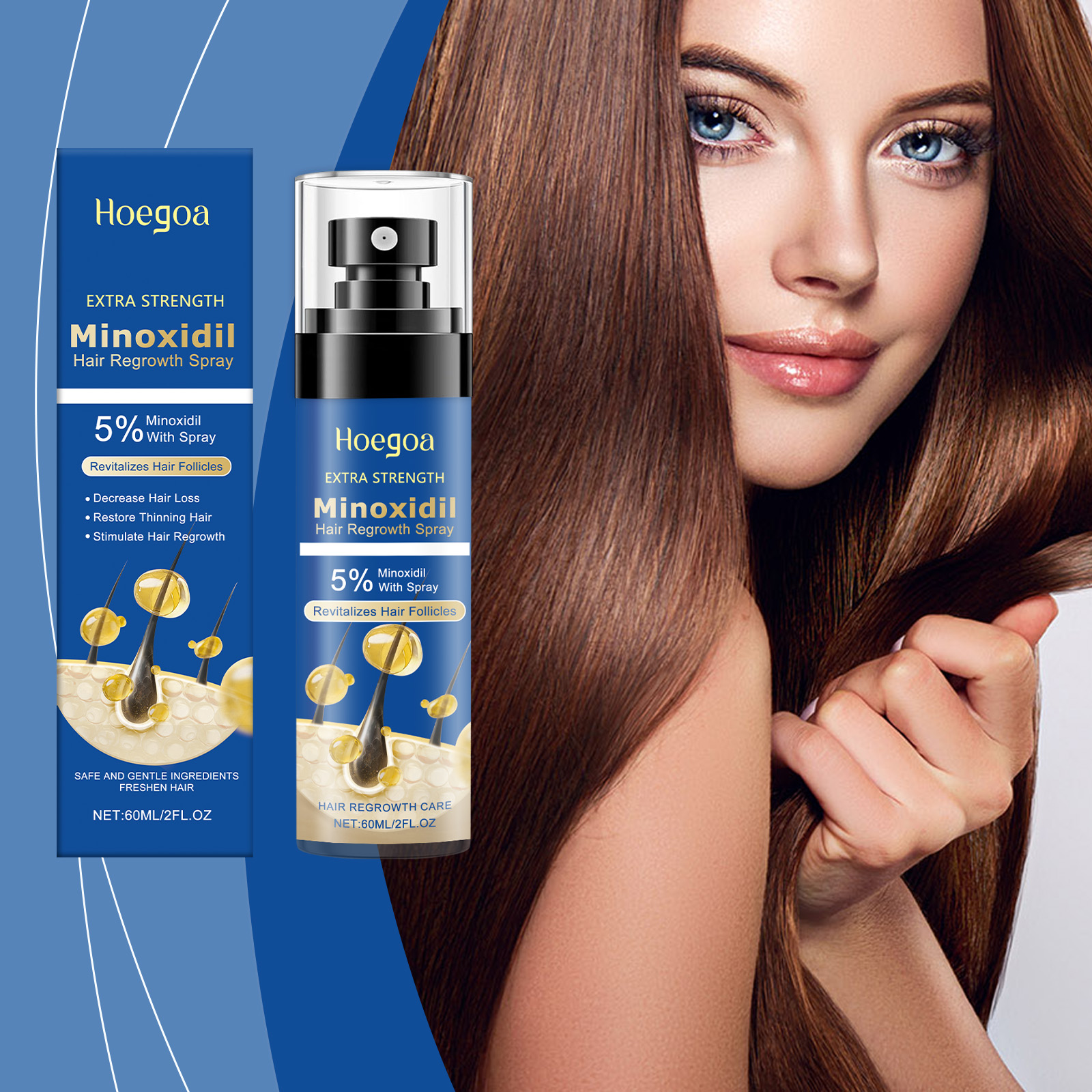
I combined this TCM protocol with a modified Western approach. Because 5% minoxidil foam irritated my scalp, I switched to a 2% minoxidil topical solution compounded with niacinamide to reduce irritation, applied once daily. Because finasteride caused side effects, I switched to a topical finasteride compound (0.1% finasteride in hydroxypropyl-chitosan vehicle) applied once daily — this delivers finasteride directly to the scalp with minimal systemic absorption. My dermatologist was supportive of the combination approach, provided I kept him informed about the herbal supplements to check for interactions.
The timeline was slow but steady. Months one through three: minimal change, though the acupuncture was helping with stress and sleep. Month four: the scalp irritation from minoxidil had resolved with the lower-concentration formula. Month five: first baby hairs visible at the temples. Month seven: noticeable thickening at the crown, improved hair texture (less dry and brittle). Month nine: visible improvement in overall density. Month twelve: approximately 40% improvement from my lowest point. Month fifteen: approximately 55% improvement.
The setbacks were primarily related to the herbal formula. At month two, I experienced mild gastrointestinal upset from the He Shou Wu, which resolved when we reduced the dose and added ginger to the formula. I also had a brief period of elevated liver enzymes at month four — possibly from the herbs, possibly from the topical finasteride — which resolved when we adjusted both. This highlights the importance of medical supervision when combining TCM and Western treatments.
At month sixteen, my hair is in the best condition it has been since the thinning started.The TCM addressed the stress, sleep, and systemic imbalances that Western medicine was not targeting, while the modified Western treatments (topical finasteride and low-dose minoxidil) addressed the androgenetic component without the side effects that had derailed my earlier attempts.
Key Takeaways and Recommendations
The practical takeaways: TCM is not a replacement for evidence-based Western treatments, but it can be a valuable complement, particularly for stress management and systemic balance. He Shou Wu is the most studied TCM herb for hair growth but can cause liver enzyme elevation in some people — monitor with bloodwork. Acupuncture may not directly regrow hair, but the stress reduction can support recovery. Always inform both your Western and TCM practitioners about all treatments and supplements. And find practitioners who are willing to collaborate rather than compete.
My journey taught me that hair loss treatment does not have to be either/or. The best approach is often both/and — combining the best of different traditions under careful supervision.
One aspect of this journey that I have not seen discussed enough is the financial cost. Between dermatologist visits, bloodwork, prescription medications, over-the-counter supplements, and hair care products, I spent approximately $200-300 monthly on hair recovery. Insurance covered some of the prescriptions but none of the supplements or topical treatments. I mention this not to discourage anyone but to set realistic expectations — effective hair loss treatment is an investment, and budgeting for it is part of the process.
I also want to talk about the role of patience in a way that goes beyond the obvious “be patient” advice. True patience in hair recovery means accepting that you will have weeks where it seems like nothing is happening, weeks where things seem to be getting worse, and occasional weeks where you notice genuine improvement. The overall trajectory matters more than any single data point. I found it helpful to review my monthly photos rather than daily mirror checks — the progress was much more visible when viewed over longer intervals.
The social dimension of hair loss is something I underestimated. Comments from well-meaning friends and family — “Have you tried biotin?” or “My cousin used rosemary oil and it worked!” — while intended to be helpful, often felt dismissive of the medical complexity I was navigating. I learned to have a prepared response: “I am working with a dermatologist on a comprehensive treatment plan, and I appreciate your concern.” This was polite but also set a boundary that stopped the unsolicited advice.
I also found it helpful to be selective about who I shared my journey with. Not everyone deserves access to your vulnerability. I shared openly with my closest friends and family, selectively with colleagues, and not at all with acquaintances. This protected my emotional energy for the things that mattered — my treatment, my recovery, and my mental health.
One more practical point: I kept a detailed journal throughout my recovery, noting my treatment adherence, stress levels, sleep quality, and subjective hair assessments. Looking back, this journal was invaluable for identifying patterns — I could see that poor sleep consistently preceded increased shedding, and that the shedding always decreased about 4-6 weeks after a particularly good stretch of adherence to my protocol.
I want to address something that rarely comes up in hair loss discussions: the role of expectations. When I started treatment, I expected a linear improvement — steady, consistent progress toward full recovery. The reality was anything but linear. There were plateaus, regressions, and unexpected leaps forward. The path was more like a stock market chart than a straight line, and accepting this non-linearity was essential for my mental health.
I also learned to redefine success. My initial goal was full restoration to my pre-loss hair density. As the journey progressed, I adjusted this to meaningful improvement — hair that looked good, felt healthy, and allowed me to live without constant anxiety about my appearance. This adjusted expectation was not giving up; it was being realistic about what treatment could achieve while still appreciating the genuine gains I was making.
The comparison trap is another danger. Other people’s before-and-after photos on social media can be inspiring, but they can also be misleading. Lighting, angles, styling, and photo editing all affect how hair looks in images. Your real-life mirror under normal lighting is a more accurate gauge than anyone’s Instagram post.
One aspect of this journey that I have not seen discussed enough is the financial cost. Between dermatologist visits, bloodwork, prescription medications, over-the-counter supplements, and hair care products, I spent approximately $200-300 monthly on hair recovery. Insurance covered some of the prescriptions but none of the supplements or topical treatments. I mention this not to discourage anyone but to set realistic expectations — effective hair loss treatment is an investment, and budgeting for it is part of the process.
I also want to talk about the role of patience in a way that goes beyond the obvious “be patient” advice. True patience in hair recovery means accepting that you will have weeks where it seems like nothing is happening, weeks where things seem to be getting worse, and occasional weeks where you notice genuine improvement. The overall trajectory matters more than any single data point. I found it helpful to review my monthly photos rather than daily mirror checks — the progress was much more visible when viewed over longer intervals.
Internal linking suggestions: [TCM for Hair Loss: What the Evidence Says], [He Shou Wu for Hair Growth: Safety and Efficacy], [Combining Alternative and Conventional Hair Loss Treatments]