

I noticed my temples receding at 22. By 24, my hairline had retreated about an inch on each side, and the hair at my crown was noticeably thinner. My father was bald by 35, and my older brother was already a Norwood III at 28. The genetic handwriting was on the wall, and I was terrified of becoming another family statistic.
Understanding From Receding at 24 to Stabilized: My Early Male Pattern Baldness S…
Most men wait too long. They watch their hairline recede for years, hoping it will stop on its own, and by the time they seek treatment, they have lost 50% or more of their hair density in the affected areas. I was determined not to make that mistake. I saw a dermatologist specializing in hair loss at 23, within months of noticing significant recession.
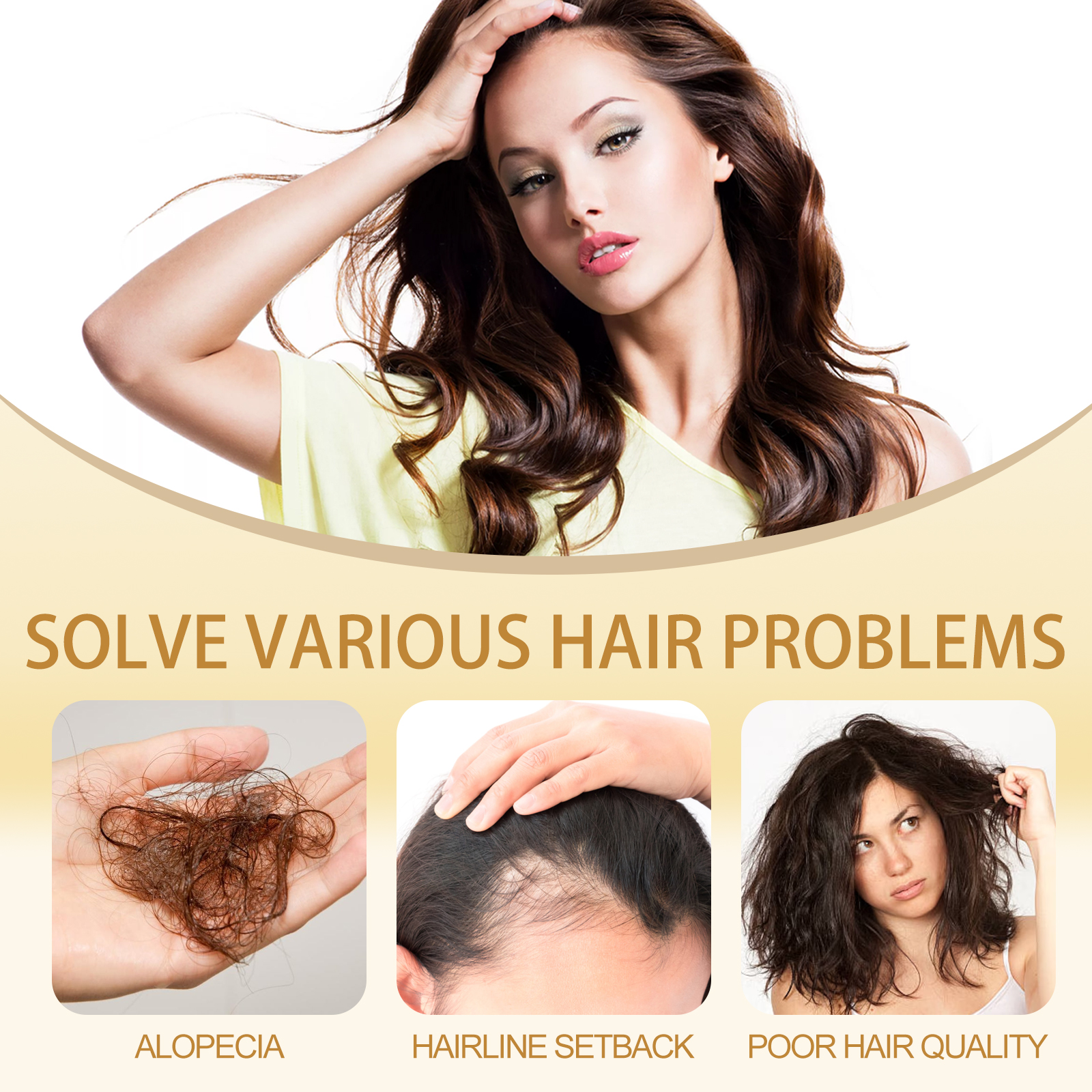
The diagnosis was androgenetic alopecia — male pattern baldness — Norwood Stage II with early crown thinning. My dermatologist explained that the earlier you intervene, the better your chances of stabilization and even some regrowth. Once a follicle miniaturizes completely and dies, no treatment can bring it back. The goal was to preserve what I had and potentially recover recently lost hair.
The treatment protocol was the gold standard trifecta. First, finasteride 1 mg daily — this inhibits 5-alpha-reductase type II, the enzyme that converts testosterone to DHT, the hormone responsible for follicle miniaturization. Second, 5% minoxidil foam applied twice daily to the crown and temples — this extends the anagen phase and increases blood flow to follicles. Third, ketoconazole 2% shampoo (Nizoral) used twice weekly — this has mild anti-androgen properties and keeps the scalp healthy.
I was nervous about finasteride side effects. The internet is full of horror stories about sexual dysfunction, depression, and “post-finasteride syndrome.” My dermatologist put the risk in perspective: the incidence of sexual side effects in clinical trials was approximately 1-2% — and in the placebo group, it was approximately 0.7%. The actual additional risk is small. I decided to try it with a plan to stop immediately if I experienced side effects.

The first six months on finasteride were uneventful — no side effects, but no visible improvement either. The minoxidil caused an initial shed at weeks 3-4 that was alarming but brief. By month four, the shedding normalized. By month eight, I noticed the hair at my crown felt slightly thicker. By month twelve, my temple recession had not progressed further — which was itself a victory, since it had been receding about half a centimeter every three months before treatment.
At month fourteen, I had my first real “win” — a friend who did not know I was on treatment commented that my hair looked thicker. Photos comparing month zero to month eighteen showed measurable thickening at the crown and slight fill-in at the temples. The recession had not reversed, but it had stopped, and the existing hair was measurably thicker.
The only setback was at month six when I missed two weeks of finasteride while traveling (I left my pills at home) and experienced a minor shed. It reinforced that consistency is essential — this is a daily commitment, not an occasional one. I also tried microneedling with a 1.5mm dermaroller once weekly for three months but stopped because it caused excessive scalp irritation and I was not seeing additional benefit beyond the trifecta.
Two years into treatment, I am a Norwood II — the same classification I was when I started. Without treatment, I would almost certainly be a Norwood III or IV by now based on my family history. The finasteride has stopped progression, the minoxidil has thickened existing hair, and the ketoconazole keeps my scalp in good condition.
Key Takeaways and Recommendations
The emotional journey has been significant. I had to accept that I will not get my juvenile hairline back — treatment can preserve and thicken, but it rarely reverses significant recession. I also had to accept that this is a lifelong treatment — stopping finasteride and minoxidil means losing the gains within 6-12 months. That acceptance took time.
For any young man reading this who is noticing early hair loss: Do not wait. The earlier you start treatment, the more hair you preserve. See a dermatologist, not a hair transplant clinic — clinics have a financial incentive to recommend surgery over medical management. The big three (finasteride, minoxidil, ketoconazole) are backed by decades of evidence and are effective for the majority of men who use them consistently. Side effects are real but rare, and you can stop if you experience them.
My hair is not what it was at 18, but it is also not what it would be at 24 without intervention. I see my reflection and see someone who took action instead of waiting. That matters more than a perfect hairline.
One aspect of this journey that I have not seen discussed enough is the financial cost. Between dermatologist visits, bloodwork, prescription medications, over-the-counter supplements, and hair care products, I spent approximately $200-300 monthly on hair recovery. Insurance covered some of the prescriptions but none of the supplements or topical treatments. I mention this not to discourage anyone but to set realistic expectations — effective hair loss treatment is an investment, and budgeting for it is part of the process.
I also want to talk about the role of patience in a way that goes beyond the obvious “be patient” advice. True patience in hair recovery means accepting that you will have weeks where it seems like nothing is happening, weeks where things seem to be getting worse, and occasional weeks where you notice genuine improvement. The overall trajectory matters more than any single data point. I found it helpful to review my monthly photos rather than daily mirror checks — the progress was much more visible when viewed over longer intervals.
The social dimension of hair loss is something I underestimated. Comments from well-meaning friends and family — “Have you tried biotin?” or “My cousin used rosemary oil and it worked!” — while intended to be helpful, often felt dismissive of the medical complexity I was navigating. I learned to have a prepared response: “I am working with a dermatologist on a comprehensive treatment plan, and I appreciate your concern.” This was polite but also set a boundary that stopped the unsolicited advice.
I also found it helpful to be selective about who I shared my journey with. Not everyone deserves access to your vulnerability. I shared openly with my closest friends and family, selectively with colleagues, and not at all with acquaintances. This protected my emotional energy for the things that mattered — my treatment, my recovery, and my mental health.
One more practical point: I kept a detailed journal throughout my recovery, noting my treatment adherence, stress levels, sleep quality, and subjective hair assessments. Looking back, this journal was invaluable for identifying patterns — I could see that poor sleep consistently preceded increased shedding, and that the shedding always decreased about 4-6 weeks after a particularly good stretch of adherence to my protocol.
I want to address something that rarely comes up in hair loss discussions: the role of expectations. When I started treatment, I expected a linear improvement — steady, consistent progress toward full recovery. The reality was anything but linear. There were plateaus, regressions, and unexpected leaps forward. The path was more like a stock market chart than a straight line, and accepting this non-linearity was essential for my mental health.
I also learned to redefine success. My initial goal was full restoration to my pre-loss hair density. As the journey progressed, I adjusted this to meaningful improvement — hair that looked good, felt healthy, and allowed me to live without constant anxiety about my appearance. This adjusted expectation was not giving up; it was being realistic about what treatment could achieve while still appreciating the genuine gains I was making.
The comparison trap is another danger. Other people’s before-and-after photos on social media can be inspiring, but they can also be misleading. Lighting, angles, styling, and photo editing all affect how hair looks in images. Your real-life mirror under normal lighting is a more accurate gauge than anyone’s Instagram post.
One aspect of this journey that I have not seen discussed enough is the financial cost. Between dermatologist visits, bloodwork, prescription medications, over-the-counter supplements, and hair care products, I spent approximately $200-300 monthly on hair recovery. Insurance covered some of the prescriptions but none of the supplements or topical treatments. I mention this not to discourage anyone but to set realistic expectations — effective hair loss treatment is an investment, and budgeting for it is part of the process.
I also want to talk about the role of patience in a way that goes beyond the obvious “be patient” advice. True patience in hair recovery means accepting that you will have weeks where it seems like nothing is happening, weeks where things seem to be getting worse, and occasional weeks where you notice genuine improvement. The overall trajectory matters more than any single data point. I found it helpful to review my monthly photos rather than daily mirror checks — the progress was much more visible when viewed over longer intervals.
Internal linking suggestions: [Male Pattern Baldness: Early Intervention Guide], [Finasteride: What to Really Expect], [The Big Three Hair Loss Treatment Protocol]