

The first patch appeared behind my left ear — a smooth, perfectly circular bald spot the size of a quarter. I noticed it while brushing my hair before work one Tuesday morning. Within six weeks, I had five more patches scattered across my scalp. The largest was at my crown, almost three inches across. Alopecia areata — an autoimmune condition where your immune system attacks your own hair follicles.
Understanding From Patchy to Proud: My 11-Month Alopecia Areata Recovery Story
The dermatologist was sympathetic but honest. “Alopecia areata is unpredictable,” she said. “Some people recover spontaneously. Others progress to total hair loss. We treat it, but there are no guarantees.” That uncertainty was almost harder than the diagnosis itself.
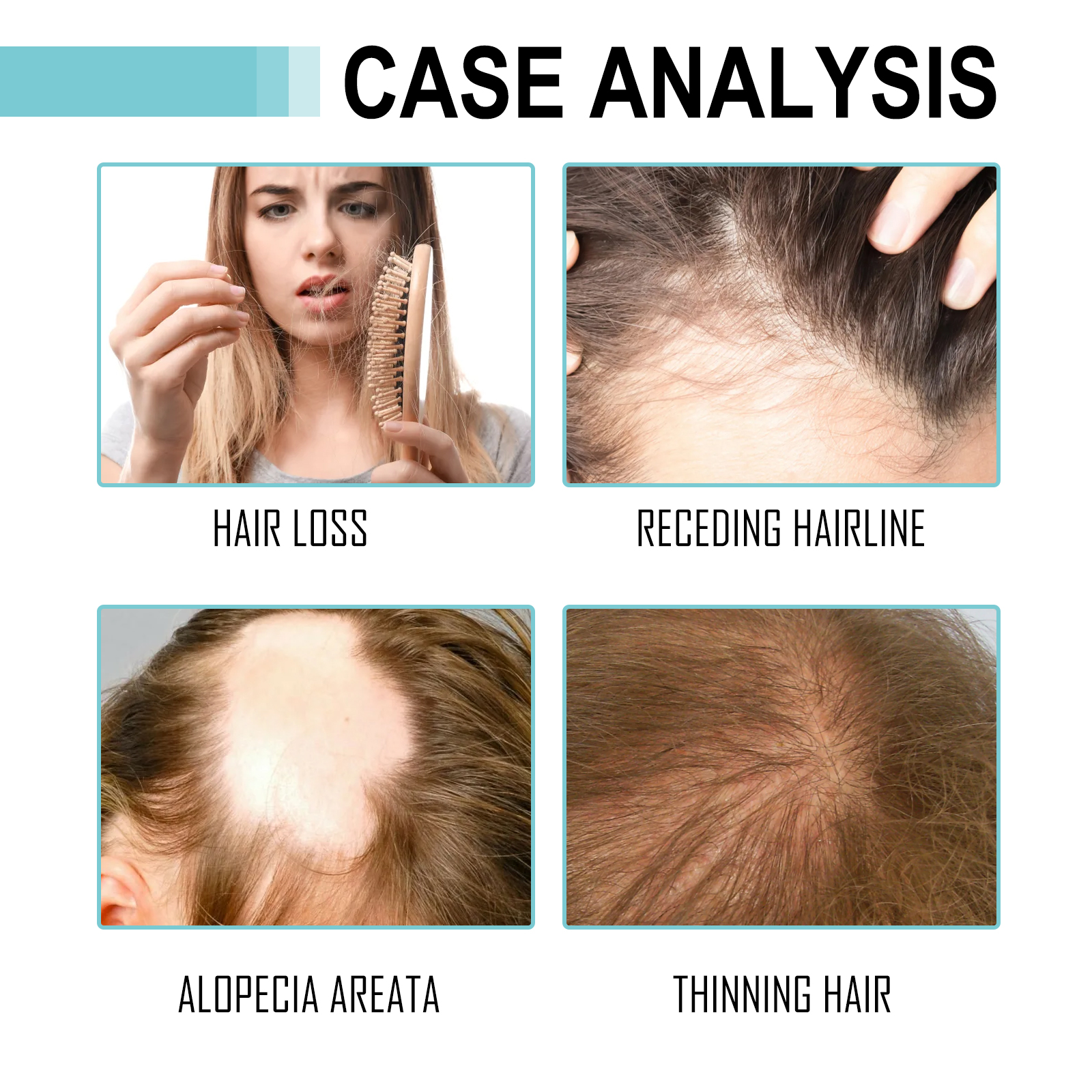
I tried to keep working normally, but the patches were visible. I started using colored hair powder and strategically placed clips, but wind and movement would expose the bald spots. Colleagues began asking if I was okay. I started wearing headbands and eventually a wig to work, which felt like admitting defeat even though it was purely practical.
The first treatment was intralesional corticosteroid injections — triamcinolone acetonide injected directly into each patch, every four weeks. The injections themselves were painful, especially on the scalp where there is little fat to cushion the needle. After three sessions over three months, two of the smaller patches showed faint white hair growth. The larger patches remained completely bald.
My dermatologist then added topical immunotherapy with diphenylcyclopropenone (DPCP). The idea is to deliberately cause an allergic contact dermatitis on the scalp, which redirects the immune system’s attention away from the hair follicles. DPCP is applied weekly, starting at a very low concentration and gradually increasing. The scalp becomes red and itchy — mildly uncomfortable but tolerable.
I also started using a topical corticosteroid solution (clobetasol propionate 0.05%) applied twice daily to the patches, alternating with the DPCP schedule. Oral options like prednisone were discussed but I declined due to the systemic side effects, especially weight gain and mood changes that I had experienced with steroids previously.
Beyond the medical treatments, I made significant lifestyle changes. I started working with a therapist who specialized in chronic illness and body image — the emotional toll of losing hair in visible patches should not be underestimated. I eliminated gluten and dairy for three months on the theory that they can increase intestinal permeability and worsen autoimmune conditions.
I also began taking vitamin D3 at 5000 IU daily (my level was 16 ng/mL — low vitamin D is associated with more severe alopecia areata), 2000 mg of omega-3 fatty acids, and a probiotic containing Lactobacillus reuteri and L. rhamnosus, chosen for their anti-inflammatory properties. I added ashwagandha (300 mg of KSM-66 extract) for stress management, as stress is a known trigger for alopecia areata flares.
The timeline was a rollercoaster. Month one through three of treatment: the small patches started showing white regrowth. Month four: the larger crown patch showed its first fine hairs. Month five: a devastating setback — two new patches appeared on the right side of my head while the existing ones were still recovering. Month six through eight: DPCP was increased in concentration and the new patches started responding. Month nine: all patches had visible regrowth, though the hair was still finer and lighter than my normal hair. Month eleven: approximately 80% of the patches had filled in with pigmented hair that was gradually normalizing in texture.
The hardest truth about alopecia areata is that recovery does not mean cure. My dermatologist made this very clear — the autoimmune predisposition remains, and new patches can appear at any time, especially during periods of stress or illness. At month eleven, I still have one small patch at my nape that is stubbornly bare, and I have accepted that this may be a chronic condition I manage rather than cure.
Key Takeaways and Recommendations
But I also have regrowth that I did not think was possible at my lowest point. The combination of injections, DPCP, and lifestyle changes worked — slowly, imperfectly, but genuinely. I no longer wear a wig to work. I still carry colored hair powder in my bag just in case, but I have not needed it in three months.
The practical takeaways: Intralesional steroids are the first-line treatment and they work best for small, recent patches. DPCP is worth the commitment for larger or stubborn patches. Address vitamin D deficiency aggressively — it matters more than most people realize. Emotional support is not optional — find a therapist, a support group, or both. And accept that this is a marathon with an uncertain finish line, but progress is possible.
I still check my scalp every morning in the mirror. I still feel a flash of fear when I find a hair on my pillow. But I also feel something I did not expect: gratitude for a body that, despite attacking itself, can also heal itself given the right support.
One aspect of this journey that I have not seen discussed enough is the financial cost. Between dermatologist visits, bloodwork, prescription medications, over-the-counter supplements, and hair care products, I spent approximately $200-300 monthly on hair recovery. Insurance covered some of the prescriptions but none of the supplements or topical treatments. I mention this not to discourage anyone but to set realistic expectations — effective hair loss treatment is an investment, and budgeting for it is part of the process.
I also want to talk about the role of patience in a way that goes beyond the obvious “be patient” advice. True patience in hair recovery means accepting that you will have weeks where it seems like nothing is happening, weeks where things seem to be getting worse, and occasional weeks where you notice genuine improvement. The overall trajectory matters more than any single data point. I found it helpful to review my monthly photos rather than daily mirror checks — the progress was much more visible when viewed over longer intervals.
The social dimension of hair loss is something I underestimated. Comments from well-meaning friends and family — “Have you tried biotin?” or “My cousin used rosemary oil and it worked!” — while intended to be helpful, often felt dismissive of the medical complexity I was navigating. I learned to have a prepared response: “I am working with a dermatologist on a comprehensive treatment plan, and I appreciate your concern.” This was polite but also set a boundary that stopped the unsolicited advice.
I also found it helpful to be selective about who I shared my journey with. Not everyone deserves access to your vulnerability. I shared openly with my closest friends and family, selectively with colleagues, and not at all with acquaintances. This protected my emotional energy for the things that mattered — my treatment, my recovery, and my mental health.
One more practical point: I kept a detailed journal throughout my recovery, noting my treatment adherence, stress levels, sleep quality, and subjective hair assessments. Looking back, this journal was invaluable for identifying patterns — I could see that poor sleep consistently preceded increased shedding, and that the shedding always decreased about 4-6 weeks after a particularly good stretch of adherence to my protocol.
I want to address something that rarely comes up in hair loss discussions: the role of expectations. When I started treatment, I expected a linear improvement — steady, consistent progress toward full recovery. The reality was anything but linear. There were plateaus, regressions, and unexpected leaps forward. The path was more like a stock market chart than a straight line, and accepting this non-linearity was essential for my mental health.
I also learned to redefine success. My initial goal was full restoration to my pre-loss hair density. As the journey progressed, I adjusted this to meaningful improvement — hair that looked good, felt healthy, and allowed me to live without constant anxiety about my appearance. This adjusted expectation was not giving up; it was being realistic about what treatment could achieve while still appreciating the genuine gains I was making.
The comparison trap is another danger. Other people’s before-and-after photos on social media can be inspiring, but they can also be misleading. Lighting, angles, styling, and photo editing all affect how hair looks in images. Your real-life mirror under normal lighting is a more accurate gauge than anyone’s Instagram post.
Internal linking suggestions: [Alopecia Areata: Complete Treatment Options], [Autoimmune Hair Loss: What You Need to Know], [Best Supplements for Autoimmune Conditions]