
Why I Chose Rosemary Oil as a Natural Option
After experiencing scalp irritation from minoxidil that made consistent application difficult, I began researching natural alternatives. Rosemary oil (Rosmarinus officinalis) caught my attention because of a important study by Panahi et al. (2015), published in SKINmed, which compared rosemary oil to 2% minoxidil in 50 patients with androgenetic alopecia over 6 months. Both groups showed significant increases in hair count, with no statistically significant difference between the two — a remarkable finding for a natural essential oil.
The proposed mechanism involves carnosic acid and rosmarinic acid, which have been shown in laboratory studies to inhibit 5-alpha-reductase, the enzyme that converts testosterone to dihydrotestosterone (DHT). While the evidence is not as strong as for minoxidil, it was compelling enough for me to commit to a 12-month trial, especially given that I could not tolerate minoxidil’s side effects.
Note: I am not recommending rosemary oil as a replacement for minoxidil or finasteride. For most people with androgenetic alopecia, FDA-approved treatments remain the first-line approach. Rosemary oil was my choice because of my specific circumstance (minoxidil intolerance), and my results should be interpreted in that context.
My Protocol: Dilution, Application, and Routine
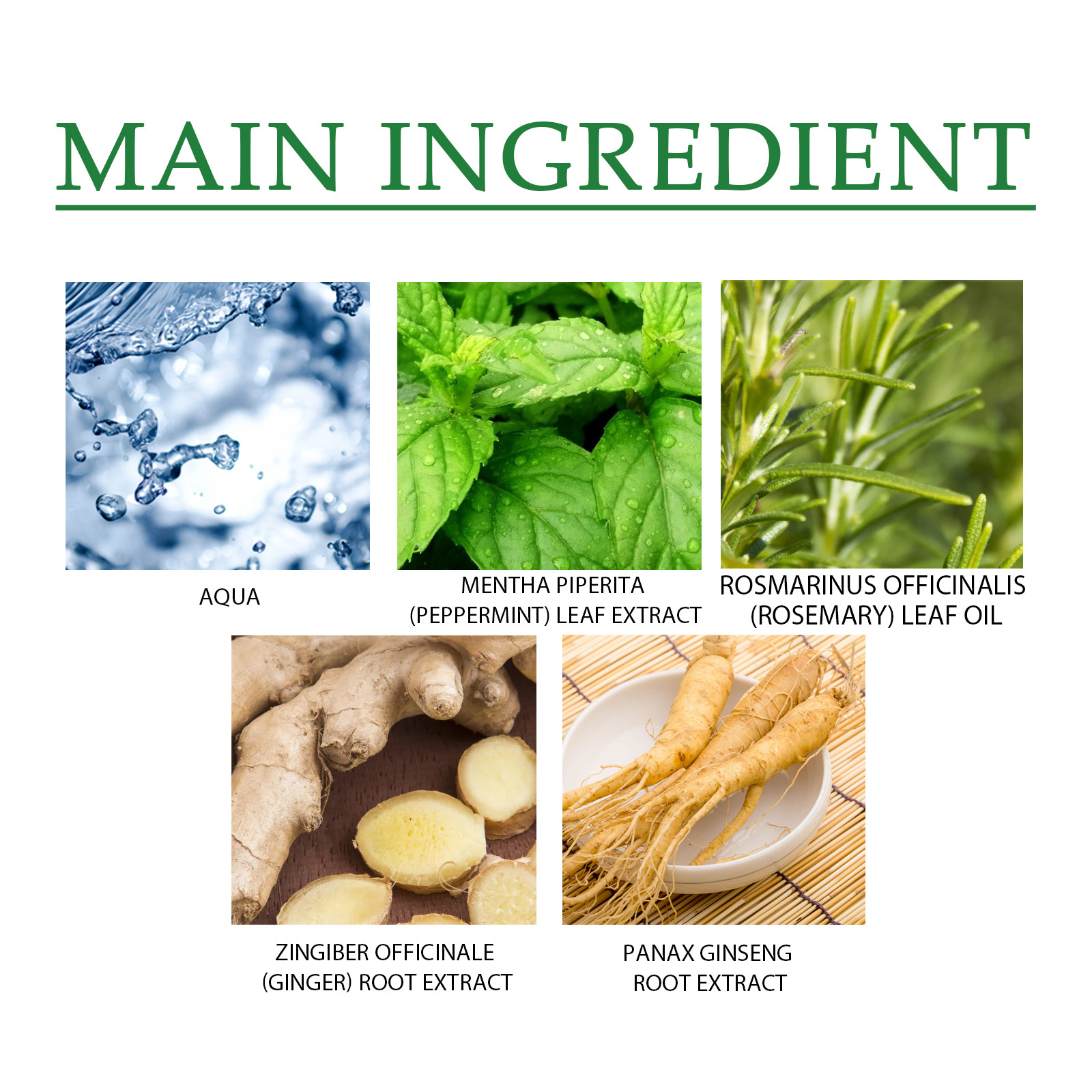
Based on the published literature and guidance from my dermatologist, I established the following protocol: 3-4 drops of 100% pure rosemary essential oil diluted in 1 teaspoon (5ml) of carrier oil (I used jojoba oil, though castor oil and coconut oil are also common choices). The dilution ratio of approximately 1-2% is critical — undiluted essential oils can cause severe scalp irritation and chemical burns.
I applied the diluted rosemary oil to my scalp every evening before bed, massaging it gently into the crown and temple areas using circular motions with my fingertips. I left it on overnight and washed it out the following morning with a gentle, sulfate-free shampoo. I performed this routine consistently 6 days per week, taking one day off to let my scalp rest.
I also maintained a comprehensive scalp care routine: gentle scalp massage for 4 minutes daily (separate from the rosemary oil application), ketoconazole 2% shampoo twice weekly for mild seborrheic dermatitis, and a pH-balanced daily shampoo. The combination of rosemary oil with dedicated scalp care was intentional — I wanted to create the best possible scalp environment for hair growth while using the rosemary oil as my primary active treatment.

12-Month Results and Honest Assessment
Months 1-3: No visible changes in hair density or shedding. My dermatologist noted that natural treatments typically take longer to produce visible results because they work through more gradual mechanisms compared to pharmaceutical treatments.
Months 4-6: Subtle improvements became apparent. My hair felt slightly thicker and had more texture. Shedding appeared to decrease marginally, from approximately 120 hairs per day to 100-110. My dermatologist noted very early signs of improved scalp health on dermoscopy.
Months 7-12: The improvement became more noticeable. By month 9, I estimated approximately 10-15% improvement in crown density based on comparison with baseline photographs. My dermatologist confirmed this assessment, noting that while the improvement was modest compared to what minoxidil typically produces, it was real and measurable.
Honest assessment: Rosemary oil produced real but modest results over 12 months. The improvement was less dramatic than what most people achieve with minoxidil, but it was meaningful given that I could not tolerate minoxidil. The scalp health benefits were arguably more significant than the hair growth benefits — my seborrheic dermatitis improved, my scalp felt less dry and irritated, and the overall condition of my scalp was noticeably better than when I was using minoxidil.
The Nutritional Foundation That Supported My Results
While my primary treatment was medication-based, I also focused on ensuring my nutritional status was optimized to support hair growth. Hair is one of the most metabolically active tissues in the body, and deficiencies in key nutrients can significantly impair growth even when other treatments are working. My dermatologist recommended specific nutritional targets based on my blood work and the current evidence on nutrition and hair health.
The nutrients most strongly linked to hair health include iron (ferritin above 50 ng/mL), vitamin D (25-OH above 40 ng/mL), zinc (within the upper half of the reference range), and adequate protein intake (at least 0.8g per kg of body weight daily). B vitamins, particularly B12 and folate, also play important roles in cell division and keratin production.
I found that tracking my food intake for one week using a free app revealed significant gaps in my diet — particularly in protein and iron. Simple dietary adjustments, such as adding lean red meat twice weekly, incorporating lentils and spinach into meals, and eating fatty fish for vitamin D, made meeting these nutritional targets much easier than relying on supplements alone.
Why Diet Alone Was Not Enough for My Hair Loss
An important caveat: while optimizing my diet and supplement intake supported my overall hair health, it did not address the primary mechanism of my hair loss. Androgenetic alopecia is driven by genetic sensitivity to DHT, not by nutritional deficiency. No amount of dietary optimization can override the hormonal signal that causes follicular miniaturization in genetically susceptible individuals.
This distinction matters because many people spend months or years trying to address hair loss through diet alone, hoping that the right combination of foods or supplements will solve the problem. While nutritional optimization is a valuable supporting strategy, it is not a substitute for treatments that directly address the underlying mechanism of hair loss.
The Supplements That Made a Measurable Difference
After extensive research and consultation with my dermatologist, I identified a small number of supplements that had sufficient evidence to justify their use. The most impactful was iron supplementation, which corrected a ferritin deficiency that my blood work revealed. Within three months of bringing my ferritin from 22 ng/mL to 68 ng/mL, I noticed a reduction in shedding that was distinct from the effect of my other treatments.
Vitamin D supplementation also produced a measurable benefit. My initial level was 18 ng/mL, which is considered deficient. After eight weeks of 4,000 IU daily (as recommended by my doctor), my level rose to 45 ng/mL. Research suggests that vitamin D receptors in hair follicles play a role in the anagen phase, and deficiency has been linked to various forms of hair loss including telogen effluvium and alopecia areata.
I want to be clear that these supplements addressed specific deficiencies identified through blood testing. Taking supplements without confirming a deficiency is not only potentially wasteful but can sometimes be harmful. If you have specific health concerns, speaking with a dermatologist can help you find the right approach for your situation.
Everyone’s hair process is unique, and what works for one person may not work exactly the same way for another. The key is to find an approach that fits your specific situation, lifestyle, and individual needs while remaining groIf you have specific health concerns, speaking with a dermatologist can help you find the right approach for your situation. the root causes of your specific concerns.
What I Took Away From This
- Rosemary oil produces real but modest results. Expect incremental improvement over 6-12 months, not dramatic transformation. It is best suited for those who cannot tolerate pharmaceutical treatments.
- Proper dilution is non-negotiable. Undiluted essential oils can cause severe irritation. Always dilute to 1-2% concentration in a carrier oil before applying to the scalp.
- Scalp health benefits may exceed hair growth benefits. My seborrheic dermatitis improved significantly, which created a better environment for the hair I did have.
- Do not choose rosemary oil over proven treatments unless you have a specific reason. If you can tolerate minoxidil, use it. Rosemary oil is a reasonable alternative only when pharmaceutical options are not viable.
Questions People Often Ask
Can rosemary oil regrow hair? One study found it performed comparably to 2% minoxidil over 6 months. However, this is a single small study. More research is needed to confirm these findings. Results are typically modest.
How should I dilute rosemary oil for scalp use? Mix 3-4 drops of rosemary essential oil with 1 teaspoon (5ml) of carrier oil such as jojoba, coconut, or castor oil. This produces a 1-2% dilution, which is safe for topical use.
Can I use rosemary oil with minoxidil? Yes, but apply them at different times of day to avoid interactions. For example, use minoxidil morning and evening, and rosemary oil as an overnight treatment.
Conclusion
Rosemary oil was a viable alternative for me because I could not tolerate minoxidil, and it produced real improvement over 12 months. However, the results were modest compared to what pharmaceutical treatments typically achieve. If you can use minoxidil or finasteride, prioritize those evidence-based options. Rosemary oil is best considered as an alternative for those with specific intolerances, or as a complement to other treatments rather than a standalone solution.