

When Spot Treatments Were Not Working
After two years of treating my hair thinning with isolated interventions — first minoxidil, then finasteride, then various supplements — I realized that my approach was missing something fundamental. Each treatment produced modest results on its own, but the overall improvement was underwhelming. My dermatologist estimated approximately 20% improvement after 18 months of treatment, which was real but not enough to restore my confidence or my appearance to a level I was satisfied with.
The insight that changed my approach was understanding that hair health is not determined by any single factor. It is the product of a complex interplay between hormones, nutrition, stress, sleep, scalp health, and genetics. Treating only one pathway while neglecting the others is like trying to fix a car engine by replacing the spark plugs while ignoring the fuel filter and oil. Everything needs to work together.
I committed to a 6-month well-rounded overhaul that addressed every aspect of my hair health simultaneously, while continuing the evidence-based treatments I was already using. The results exceeded anything I had achieved with isolated interventions.

The Five Pillars of My Well-rounded Hair Health Plan
1. Medical Treatment (continued): I maintained my existing regimen of 5% minoxidil twice daily and finasteride 1mg daily. These FDA-approved treatments addressed the primary mechanism of my androgenetic alopecia. The well-rounded approach does not replace evidence-based medical treatment — it complements it.
2. Nutritional Optimization: Based on comprehensive blood work, I addressed deficiencies: ferritin (from 20 to 58 ng/mL with iron supplementation), vitamin D (from 16 to 42 ng/mL with supplementation), and ensured adequate protein intake of at least 80g daily. I also incorporated foods rich in hair-supportive nutrients: oysters and pumpkin seeds for zinc, sweet potatoes for vitamin A, and eggs for biotin and protein.
3. Stress and Sleep Management: I established a strict 10:30 PM bedtime, eliminating screen use 30 minutes before sleep. I started a daily 15-minute meditation practice and began exercising 4 times per week (a mix of running and strength training). My sleep quality improved measurably — I went from averaging 5.5 hours per night to 7.5 hours.
4. Scalp Health: I added a weekly scalp exfoliation routine using a gentle salicylic acid scalp scrub, continued daily 4-minute scalp massage, and switched to a pH-balanced, sulfate-free shampoo. I also treated the mild seborrheic dermatitis my dermatologist identified with ketoconazole 2% shampoo twice weekly.
5. Environmental Factors: I minimized heat styling, eliminated chemical treatments, switched to a silk pillowcase, and wore a hat when spending extended time in direct sunlight. These changes reduced environmental damage and mechanical stress on my hair.
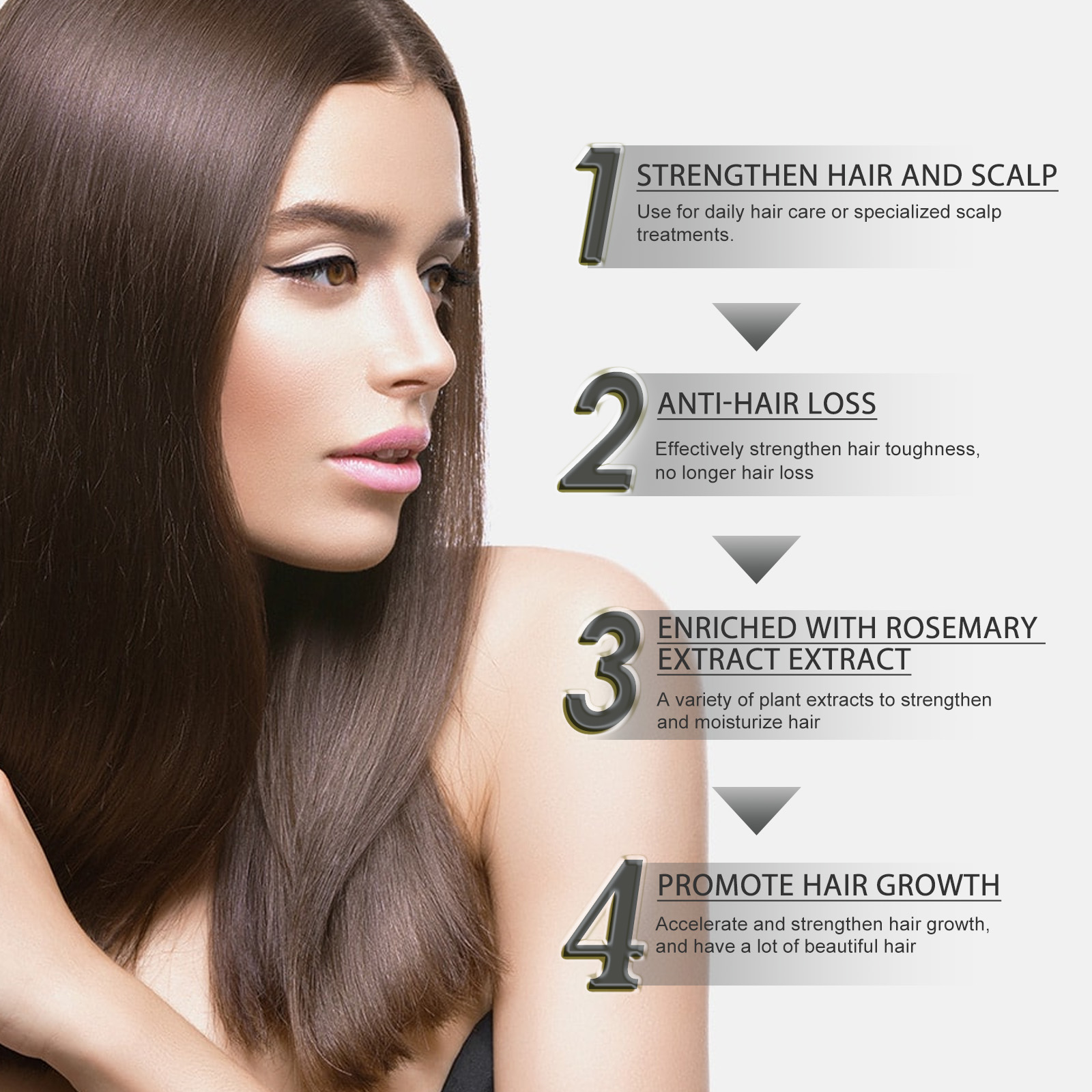
Results: The combination Effect
After 6 months on the well-rounded plan, the improvement was dramatically better than anything I had achieved with isolated treatments. My dermatologist estimated approximately 40-50% improvement in crown density — more than double the 20% improvement from the prior 18 months of isolated interventions.
The most striking aspect was the combination between the different elements. Better sleep reduced my cortisol levels, which likely reduced stress-related shedding. Improved nutrition gave my body the building blocks it needed for hair growth. A healthier scalp provided a better environment for the minoxidil to penetrate and for new hairs to emerge. Each pillar reinforced the others, creating a virtuous cycle that produced results greater than the sum of its parts.
My blood work at 6 months showed all markers within optimal ranges. My dermatologist noted that the overall health of my scalp had improved significantly — less inflammation, better hydration, and healthier-looking follicles on dermoscopy. The well-rounded approach had transformed not just my hair but my overall health.
Common Mistakes I Made Along the Way
In the interest of full transparency, I want to share the mistakes I made during my treatment process. My biggest mistake was inconsistency during the first few weeks. I missed several applications because I did not have a set routine, and I later learned that consistent daily application is important for maintaining the drug levels in the scalp that produce results.
Another mistake was trying too many products simultaneously. When you are anxious about hair loss, the temptation is to throw everything at the problem at once. But this makes it impossible to determine which treatments are actually working. I now understand the importance of introducing one intervention at a time, waiting 3-4 months to assess its effect.
I also made the mistake of checking my hair too frequently — sometimes multiple times per day. This obsessive monitoring amplified my anxiety and made normal daily fluctuations seem like catastrophic changes. My dermatologist recommended checking progress no more than once per week, which I found much more sustainable psychologically.
Building a Sustainable Long-Term Routine
One of the most important realizations I had was that consistency over months and years matters far more than any single day of perfect adherence. Hair growth is a slow biological process, and the treatments that work require a long-term commitment. This means the routine has to be sustainable — not just something you can maintain for a few weeks of intense motivation, but something you can keep up as a daily habit indefinitely.
For me, sustainability meant integrating my hair treatments into my existing morning and evening routines rather than treating them as separate tasks. Minoxidil application became as routine as brushing my teeth. Scalp massage became my wind-down ritual before bed. Supplements went into my daily pill organizer alongside my other vitamins. When the treatments become habits rather than obligations, consistency takes care of itself.
I also learned to set realistic expectations with myself. I stopped looking for daily changes and instead focused on monthly progress. This shift in perspective was one of the most important psychological adjustments I made during the entire process.
How I Knew My Treatment Was Actually Working
Recognizing genuine progress was one of the most challenging aspects of my treatment process. Hair growth is slow and incremental, making it difficult to detect changes on a day-to-day basis. I found that the most reliable indicators were not visual but practical: the amount of hair in my shower drain decreased noticeably after about 10 weeks, and my ponytail circumference increased by approximately 15% after six months of consistent treatment.
Photographic documentation was needed for tracking progress. I took standardized photos every four weeks under the same lighting conditions, with the same camera angle and distance. When I reviewed these photos side by side, the improvement was clear — but it was invisible when looking in the mirror day to day. This disconnect between daily perception and actual progress is why so many people abandon treatments prematurely.
My dermatologist also used trichoscopy (a specialized scalp imaging technique) at each visit to quantify changes in hair density and diameter. Having objective measurements from a professional provided the most reliable evidence that the treatment was working, even when my subjective perception was uncertain.
What I Took Away From This
- Hair health is multi-factorial. No single intervention addresses all the factors that influence hair growth. A comprehensive approach produces better results than isolated treatments.
- The combination effect is real. When multiple interventions work together, the combined result can exceed the sum of individual effects. Each pillar reinforces the others.
- Do not abandon evidence-based treatments for well-rounded approaches. The well-rounded approach complements medical treatment; it does not replace it. Minoxidil and finasteride remained the foundation of my plan.
- Sleep and stress are more important than most people realize. The improvement in my sleep quality and stress levels had measurable effects on my hair health that supplements alone could not replicate.
Questions People Often Ask
Can a well-rounded approach regrow hair without medication? A well-rounded approach can improve overall hair health and may reduce shedding, but it cannot override the genetic and hormonal mechanisms of androgenetic alopecia. For pattern hair loss, evidence-based medical treatments remain essential.
How long before I see results from a well-rounded approach? Most of the benefits from nutritional optimization, stress reduction, and improved sleep take 3-4 months to manifest in hair health changes, because the hair growth cycle operates on a months-long timeline.
What is the most important pillar? If I had to prioritize, I would rank them: 1) Medical treatment (if you have androgenetic alopecia), 2) Nutrition and sleep, 3) Stress management, 4) Scalp health, 5) Environmental factors. But they all matter.
Conclusion
Switching to a well-rounded approach was the best decision I made in my hair loss process. Not because it replaced evidence-based treatments, but because it addressed the entire ecosystem of factors that influence hair health. The combination between medical treatment, nutrition, stress management, scalp health, and environmental factors produced results that no single intervention could achieve alone. If you are treating hair loss with isolated interventions and feeling stuck, consider whether a more comprehensive approach might unlock the improvement you are looking for.