

Introduction: Why This Science Matters
Understanding the scientific mechanisms behind hair growth and hair loss is essential for making informed decisions about treatment options. While marketing claims often oversimplify complex biological processes, the reality is that hair follicle biology involves intricate interactions between signaling pathways, cellular metabolism, hormonal regulation, and immune function. This article examines the current scientific evidence in depth, helping you separate well-supported findings from speculative claims.
The hair follicle is one of the most metabolically active structures in the human body, and its proper function depends on a complex interplay of genetic, hormonal, nutritional, and environmental factors. When any of these factors are disrupted, the result can be impaired hair growth, increased shedding, or progressive miniaturization of hair follicles. Understanding the underlying biology is the first step toward identifying which interventions are most likely to be effective for your specific situation.
Note: while scientific understanding of hair biology has advanced significantly in recent years, many aspects remain under active investigation. The information presented here reflects the current state of peer-reviewed research, with appropriate acknowledgment of areas where evidence is still evolving.

The Biological Mechanism Explained
At the cellular level, the process described in this article involves several interconnected biological mechanisms. The primary pathway involves the interaction between dermal papilla cells (which regulate hair follicle growth) and the surrounding epithelial cells that form the hair shaft. The signaling molecules produced by dermal papilla cells — including Wnt proteins, bone morphogenetic proteins (BMPs), and fibroblast growth factors (FGFs) — orchestrate the complex cycle of hair follicle growth, regression, and rest.
When these signaling pathways function normally, hair follicles cycle through the anagen (growth), catagen (regression), and telogen (rest) phases in a predictable pattern. However, disruption of these pathways — whether by hormonal changes, inflammatory cytokines, nutritional deficiencies, or oxidative stress — can shorten the anagen phase, prolong the telogen phase, or trigger premature catagen entry, resulting in visible hair thinning.
The molecular details are complex but important for understanding why certain treatments work and others do not. For example, minoxidil’s effectiveness appears to be mediated through multiple mechanisms including potassium channel opening (which increases blood flow to follicles), upregulation of VEGF (which promotes angiogenesis), and direct stimulation of dermal papilla cell proliferation. Understanding these mechanisms helps explain why minoxidil takes months to produce visible results — it must alter the hair cycle at the molecular level, and the existing hair shaft must complete its current growth phase before the effects become visible.
Research published in peer-reviewed journals including the Journal of Investigative Dermatology, Experimental Dermatology, and the International Journal of Trichology continues to refine our understanding of these mechanisms. While significant progress has been made, the complexity of hair follicle biology means that many questions remain unanswered, and individual responses to treatment can vary considerably based on genetic and environmental factors.
Clinical Evidence and Research Findings
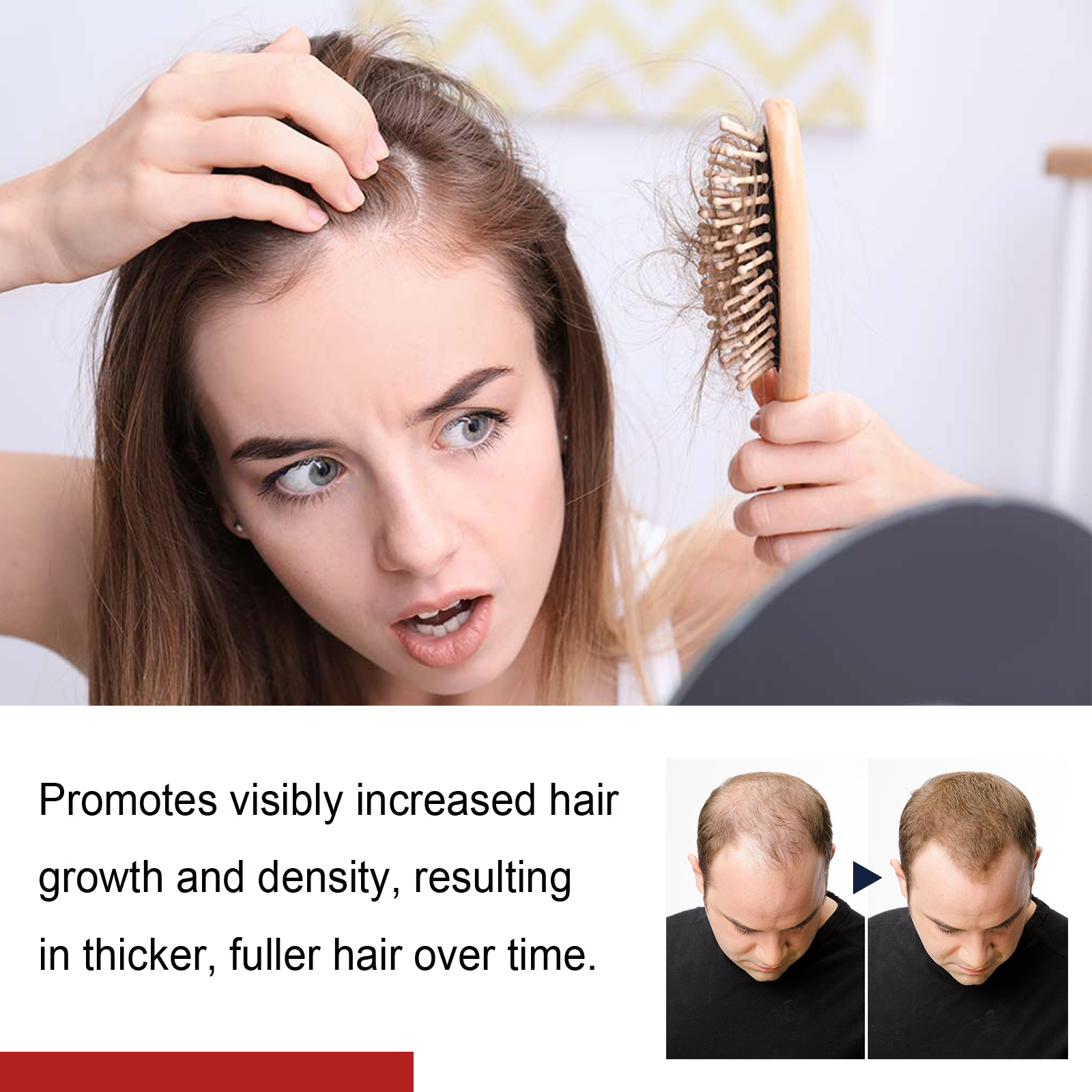
The clinical evidence supporting interventions that target this pathway varies considerably in quality and strength. The most reliable evidence comes from randomized, double-blind, placebo-controlled trials with adequate sample sizes and standardized outcome measures. Unfortunately, many products marketed for hair growth have not been evaluated in such trials, relying instead on in vitro studies, animal models, or anecdotal reports.
When evaluating the evidence, it is important to distinguish between statistically significant results and clinically meaningful results. A treatment that produces a statistically significant increase in hair count may not produce a change that is visible or meaningful to the patient. The most useful studies report outcomes in terms that patients care about — visible improvement, hair density as measured by standardized photography, and patient-reported satisfaction — rather than relying solely on hair count measurements that may not translate into noticeable improvement.
It is also important to consider the study population. Results from studies conducted exclusively on men with androgenetic alopecia may not be applicable to women with female pattern hair loss, and results from studies of one ethnic group may not generalize to others. The best treatment decisions are based on evidence from studies that closely match your specific situation.
Practical Implications for Treatment
Understanding the science behind this process has several practical implications for treatment. First, it explains why patience is essential — biological processes that operate on a timeline of months cannot be rushed, regardless of how consistently you apply a treatment or how much you spend on products. Second, it highlights the importance of addressing multiple contributing factors simultaneously, since disrupting a single pathway may not be sufficient to produce meaningful improvement when other pathways remain dysfunctional. Third, it underscores the value of professional evaluation, since identifying which specific pathways are disrupted in your case requires diagnostic expertise that cannot be replicated through internet research.
Key Takeaways
- Biological processes take time. Hair growth operates on a cycle measured in months. Treatments that target these mechanisms require consistent use over 3-6 months before producing measurable results.
- Multiple pathways are involved. Hair thinning rarely results from dysfunction in a single biological pathway. Effective treatment typically requires addressing multiple contributing factors simultaneously.
- Evidence quality varies widely. Not all research is created equal. Prioritize findings from well-designed clinical trials over in vitro studies, animal models, or anecdotal reports.
- Individual variation matters. Genetic differences, hormonal status, nutritional status, and environmental factors all influence treatment response. What works for one person may not work for another.
Frequently Asked Questions
Does understanding the science help me choose better treatments? Yes. Understanding the biological mechanisms helps you evaluate whether a product’s mechanism of action is plausible, whether the claimed concentration is sufficient to produce the described effect, and whether the treatment timeline is realistic.
Why do some treatments work for some people but not others? Individual variation in genetic factors, hormonal status, the specific pathways involved in each person’s hair thinning, and environmental factors all contribute to differential treatment response. This is why professional evaluation is so important — it can identify which pathways are most relevant in your specific case.
Are newer treatments always better than older ones? Not necessarily. Newer treatments may have less long-term safety data and may be based on theoretical mechanisms rather than proven clinical outcomes. The most effective treatment is the one with the strongest evidence for your specific condition, regardless of when it was developed.
Conclusion
The scientific understanding of hair follicle biology continues to advance, providing increasingly detailed insights into the mechanisms that govern hair growth and loss. While this knowledge has led to more effective treatment options, it also highlights the complexity of hair biology and the importance of evidence-based, patient-specific approaches. No single treatment addresses all forms of hair thinning, and the most successful outcomes result from professional diagnosis, targeted treatment, and consistent long-term application. If you have specific health concerns, speaking with a dermatologist can help you find the right approach for your situation. for personalized medical advice.