

The Beginning: When Every Shower Felt Like a Crisis
My hair loss process started with a slow, creeping realization that something was wrong. I first noticed excessive shedding in March 2023. At the time, I was losing what I estimated to be 150-200 hairs per day, well above the normal range of 50-100. Every shower drain told the story. Every pillowcase in the morning confirmed it. I was 34 years old, and my crown was visibly thinning. The anxiety was constant — I would check my reflection in every window, run my fingers through my hair and count the strands that came away, and dread washing my hair because of what the drain would reveal.
I spent the first two months in denial, trying different shampoos and avoiding mirrors. I cycled through three different anti-thinning shampoos, a biotin conditioner, and a caffeine serum, spending roughly $120 on products that made no measurable difference. But by May, the thinning was obvious enough that colleagues started making subtle comments. That is when I decided to take action.
I booked an appointment with a board-certified dermatologist who specialized in hair disorders, and within three weeks I had a diagnosis: androgenetic alopecia, stage II on the Norwood scale. My dermatologist explained that this condition affects approximately 50 million men in the United States according to the American Academy of Dermatology. It is driven by a combination of genetic sensitivity to dihydrotestosterone and age-related changes in hair follicle biology. Understanding the mechanism helped me move from anxiety to action.

Starting Minoxidil: The First Three Months
My dermatologist recommended 5% topical minoxidil solution, applied twice daily to the crown and mid-scalp area. She warned me about the shedding phase, but nothing truly prepares you for it. Here is exactly what happened during those crucial first months:
Weeks 1-2: No noticeable change. I applied 1ml to the crown area using the dropper, parting my hair in rows to reach the scalp. I made sure my scalp was clean and dry before each application. The solution felt slightly greasy but dried within about 20 minutes. I set phone alarms for 7:00 AM and 9:00 PM to ensure I never missed an application. I also started photographing my crown under the same bathroom lighting every Sunday morning.
Weeks 3-6: The shedding began. This was the most psychologically difficult period. I was losing what felt like 250-300 hairs per day. My pillow in the morning was covered. The shower drain was alarming. I called my dermatologist in a panic after week 4, and she reassured me this was normal — the minoxidil was pushing resting (telogen) hairs out to make way for new anagen (growth) phase hairs. She urged me to stay the course and reminded me that the shedding phase typically lasts 2-6 weeks.
Weeks 7-12: The shedding gradually decreased. By week 10, I was back to losing about 100-120 hairs per day. By week 12, the shedding had stabilized to approximately 80-100 hairs daily. I kept a daily journal during this time, recording hair counts, emotional state, and whether I was tempted to quit. That journal became my most valuable tool for staying the course.
Months 4-6: The First Signs of Regrowth
Around month 4, I noticed the first subtle changes. The hairs at my crown felt slightly denser when I ran my fingers through them. By month 5, I could see vellus (fine, colorless) hairs appearing in areas that had been bare for months. These peach-fuzz hairs were the first tangible evidence that the treatment was working beyond just stopping the shedding.
I also added supporting habits: gentle scalp massage for 4 minutes daily using the pads of my fingers, a nightly sleep routine ensuring 7-8 hours of quality sleep, and a daily multivitamin containing iron, zinc, vitamin D, and B-complex vitamins. Whether these contributed meaningfully is difficult to determine, but they gave me a sense of agency over the process.
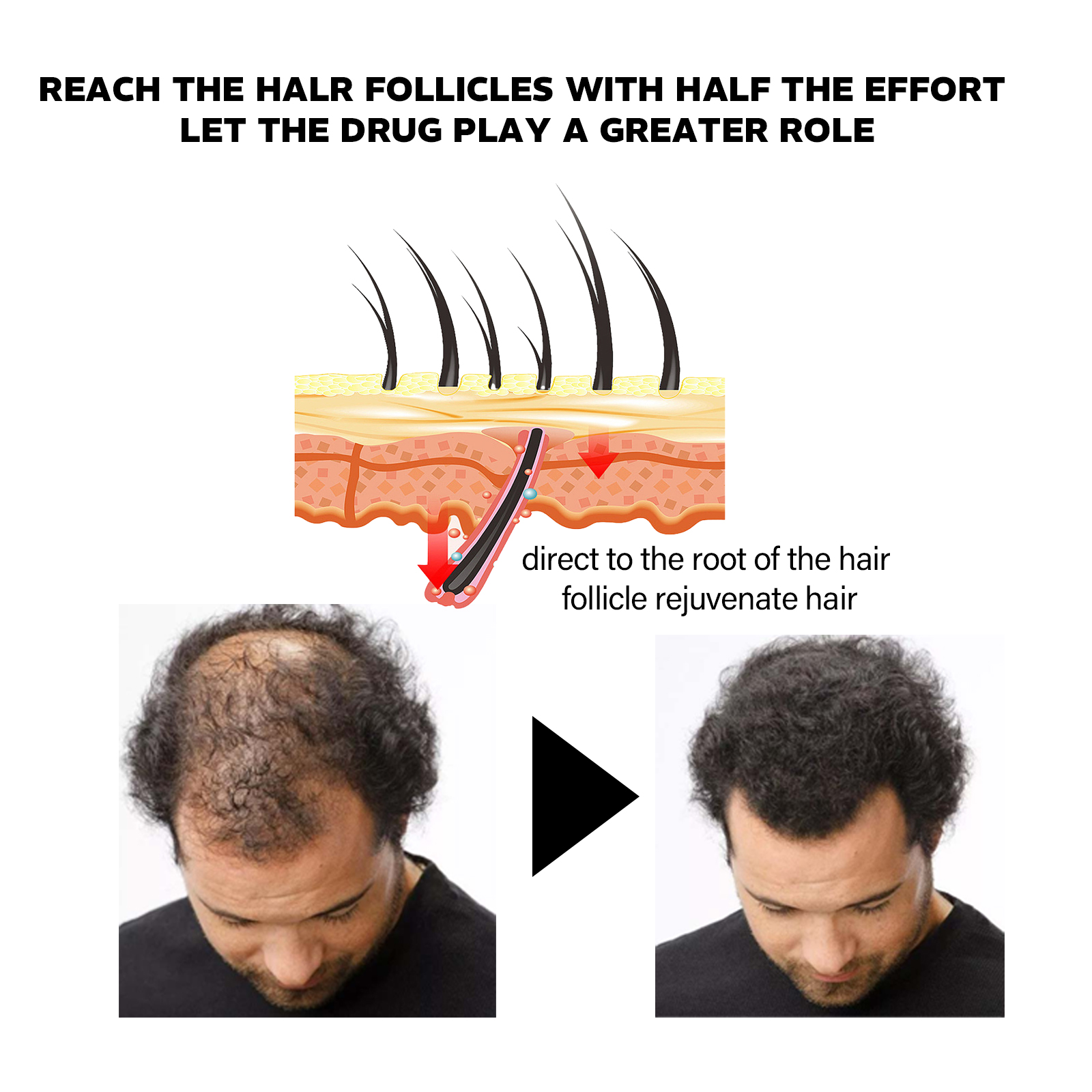
By month 6, my crown thinning was noticeably improved — approximately 30% more coverage compared to baseline. The vellus hairs were beginning to pigment and thicken. My dermatologist confirmed this using dermatoscopic imaging, noting that the anagen-to-telogen ratio had improved from approximately 4:1 to 7:1. This was the moment when the psychological burden truly began to lift.
Months 7-9: Stabilization and What Comes Next
By months 7-9, the fine vellus hairs continued to mature into thicker, pigmented terminal hairs. My overall hair density in the crown area improved by roughly 40-45% compared to baseline. The shedding remained stable at 50-80 hairs per day, and the overall balance had shifted from net loss to net gain.
An important lesson during this phase was accepting that minoxidil requires indefinite use. My dermatologist explained that stopping treatment means losing the regrown hair within 3-6 months as the hair cycle reverts. This was not a cure but a management strategy, and accepting that distinction was crucial. I budget approximately $30 per month for generic 5% minoxidil, manageable compared to the $200 per month I was previously spending on unproven products.
The psychological relief was profound — I no longer dreaded washing my hair or checking the mirror. I could style my hair normally again, and the constant anxiety had faded to a manageable background awareness. The process had transformed from a source of daily stress into a routine maintenance task that I perform without thinking.

What I Would Do Differently If I Started Over
Looking back on my entire process, there are several things I would change about my approach. First, I would have started treatment immediately upon noticing excessive shedding rather than waiting months in denial. Hair follicles that are in the early stages of miniaturization respond better to treatment than those that have been dormant for extended periods, so early intervention is genuinely important for maximizing outcomes.
Second, I would have taken baseline photographs from the very beginning rather than starting weeks later. Having a visual record from day one would have provided even stronger evidence of progress during the difficult shedding phase. Third, I would have asked my dermatologist more specific questions about the shedding phase timeline and what constitutes normal versus concerning shedding patterns.
Finally, I would have been more honest with my support network about what I was going through. I kept my hair loss treatment private for months, which isolated me unnecessarily. When I eventually confided in my partner and a close friend, their support made the psychological burden significantly lighter.
Understanding the Science Behind Minoxidil
Minoxidil was originally developed as an oral medication for high blood pressure in the 1970s. Researchers noticed that one of its side effects was hair growth, which led to the development of the topical formulation approved by the FDA in 1988. The exact mechanism is not fully understood, but it is believed to work primarily by opening potassium channels in hair follicle cells, which increases blood flow and nutrient delivery to the follicles.
Research published in the Journal of the American Academy of Dermatology has demonstrated that minoxidil increases the anagen phase duration and enlarges miniaturized follicles. The 5% concentration has been shown to be more effective than the 2% concentration, with studies showing approximately 20% greater hair count increases with the higher concentration after 48 weeks of twice-daily use.
What I Took Away From This
- The shedding phase is real and terrifying, but temporary. It peaked at weeks 4-5 and resolved by week 12. Understanding this timeline prevents premature quitting.
- Consistency is non-negotiable. I did not miss a single application in 9 months. Stopping means losing progress within 3-6 months.
- Photos and journaling kept me motivated. When you are in the shedding phase, visual evidence that things were worse before is important for resilience.
- Professional guidance matters more than internet research. My dermatologist confirmed the diagnosis, set expectations, and prevented me from quitting during the shedding phase.
- Supporting habits enhance but do not replace treatment. Scalp massage, sleep, and nutrition supported my results, but minoxidil did the heavy lifting.
Questions People Often Ask
How long before I see results from minoxidil? Most people see initial changes around months 3-4, with meaningful improvement by month 6. Full results can take up to 12 months of consistent twice-daily application.
Is the shedding phase guaranteed? Not everyone experiences significant shedding, but it is common. It typically occurs in weeks 2-6 and resolves by week 12. It actually indicates the medication is working as intended.
Can I use minoxidil once a day? Some studies suggest once-daily 5% minoxidil can be effective for maintenance, but twice daily is the FDA-approved dosing. Discuss with your dermatologist before adjusting your regimen.
Conclusion
Nine months ago, I was watching my hair disappear. Today, I have visible, measurable regrowth and a stable shedding pattern. The process required patience, consistency, and professional support. Minoxidil is not a miracle — it is a commitment. But for those willing to stay the course, the results can be genuinely life-changing. Get a proper diagnosis, commit to the process, document everything, and do not quit during the shedding phase.