
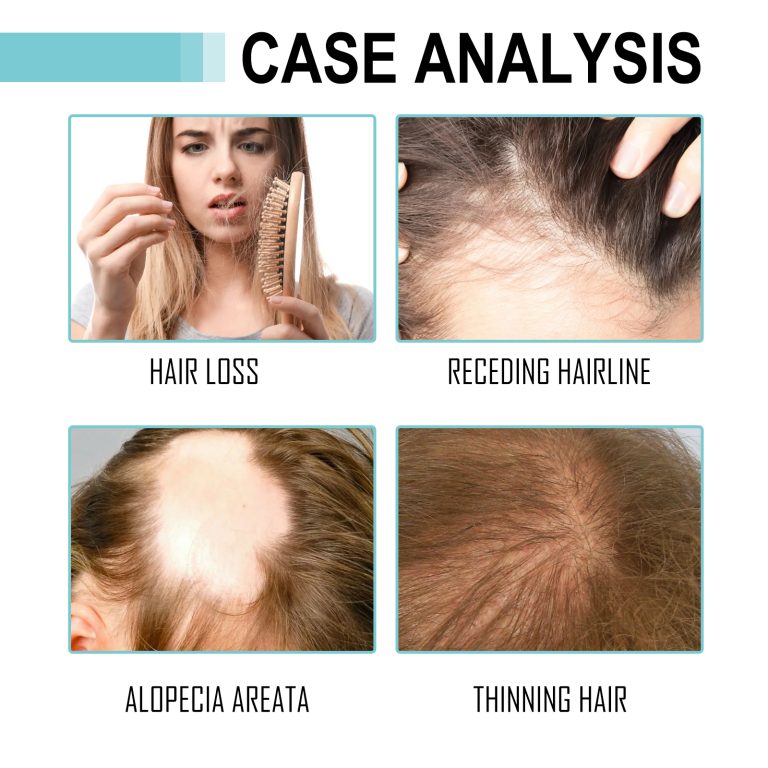
Telogen Effluvium: The Biology of Stress-Induced Hair Shedding
Mechanism Overview: When Follicles Prematurely Rest Telogen effluvium (TE) is one of the most common forms of hair loss, second…
Mechanism Overview: When Follicles Prematurely Rest Telogen effluvium (TE) is one of the most common forms of hair loss, second…

Mechanism Overview: The Morphogen That Shapes the Follicle Sonic Hedgehog (Shh) is one of the most important morphogens in embryonic…
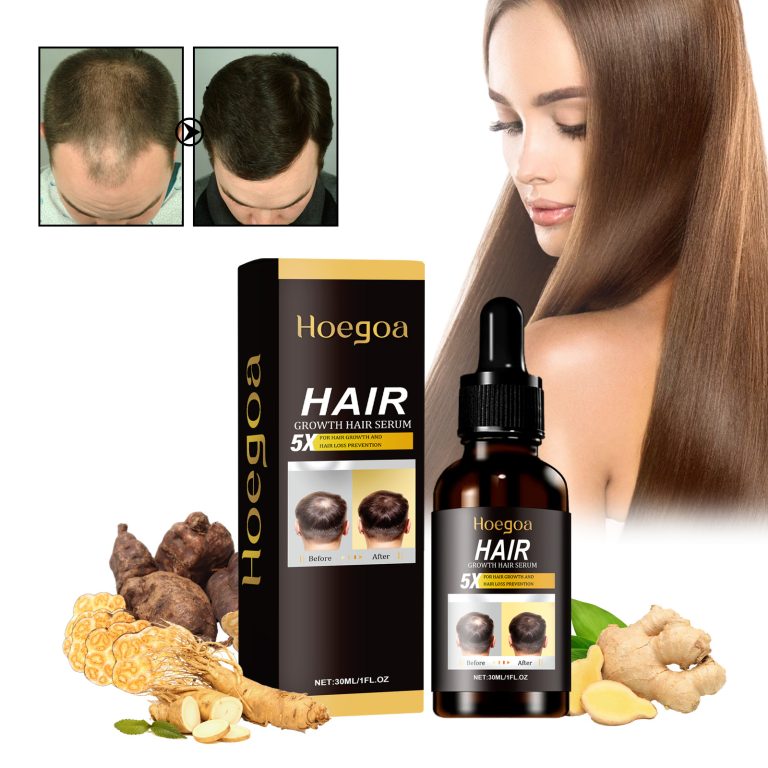
Mechanism Overview: Tocotrienols vs Tocopherols for Hair Vitamin E is not a single compound but a family of eight lipid-soluble…
Mechanism Overview: The Bulge as a Specialized Stem Cell Compartment The hair follicle bulge is not simply a location where…
Mechanism Overview: Vitamin C Beyond Immunity Vitamin C (ascorbic acid) is a water-soluble vitamin best known for its role in…

Mechanism Overview: Retinoids as Follicle Signaling Modulators Retinoids are a class of compounds derived from vitamin A (retinol) that include…
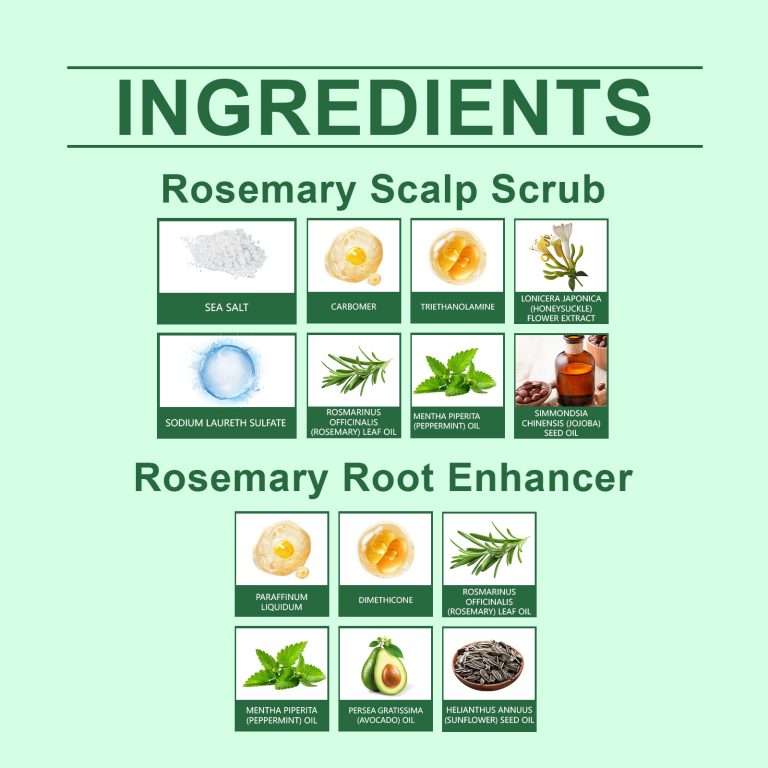
Mechanism Overview: IGF-1 as a Central Follicle Growth Factor Insulin-like growth factor 1 (IGF-1) is a 70-amino acid polypeptide hormone…
Mechanism Overview: Hyaluronic Acid as a Follicle Microenvironment Modulator Hyaluronic acid (HA, also called hyaluronan) is a glycosaminoglycan—a long, unbranched…

Mechanism Overview: The Follicle’s Internal Clock Circadian rhythms are approximately 24-hour cycles of biological activity regulated by a molecular clock…

Mechanism Overview: Copper at the Intersection of Structure and Color Copper is an essential trace element that serves as a…
Mechanism Overview: The Follicle’s Internal Cleanup System Autophagy (from the Greek “self-eating”) is a cellular process by which damaged organelles,…
Mechanism Overview: Concentrating the Body’s Growth Factors Platelet-rich plasma (PRP) is an autologous preparation of concentrated platelets in a small…