Hair Regrowth Blog
Welcome to the HowRegrowHair blog – your trusted resource for science-backed hair growth information, treatment guides, and real success stories.
Latest Articles
Browse our latest research-driven articles below:
-
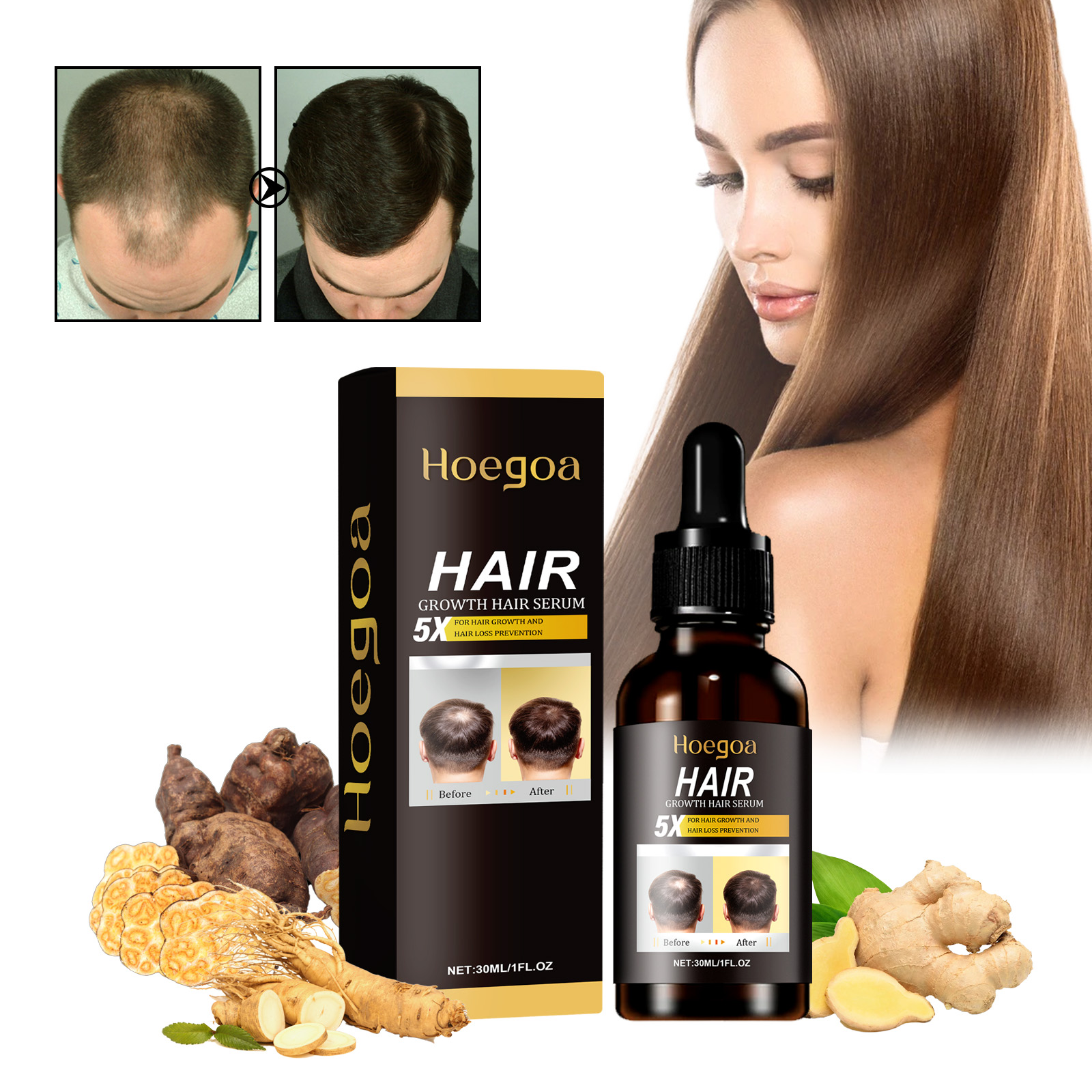
The Role of Vitamin E (Tocotrienols) in Scalp Oxidative Stress
Mechanism Overview: Tocotrienols vs Tocopherols for Hair Vitamin E is not a single compound but a family of eight lipid-soluble antioxidants: four tocopherols (alpha, beta, gamma, delta) and four tocotrienols (alpha, beta, gamma, delta). While alpha-tocopherol is the most common form in supplements and the human body, emerging evidence suggests that tocotrienols—particularly gamma-tocotrienol—may be more…
-
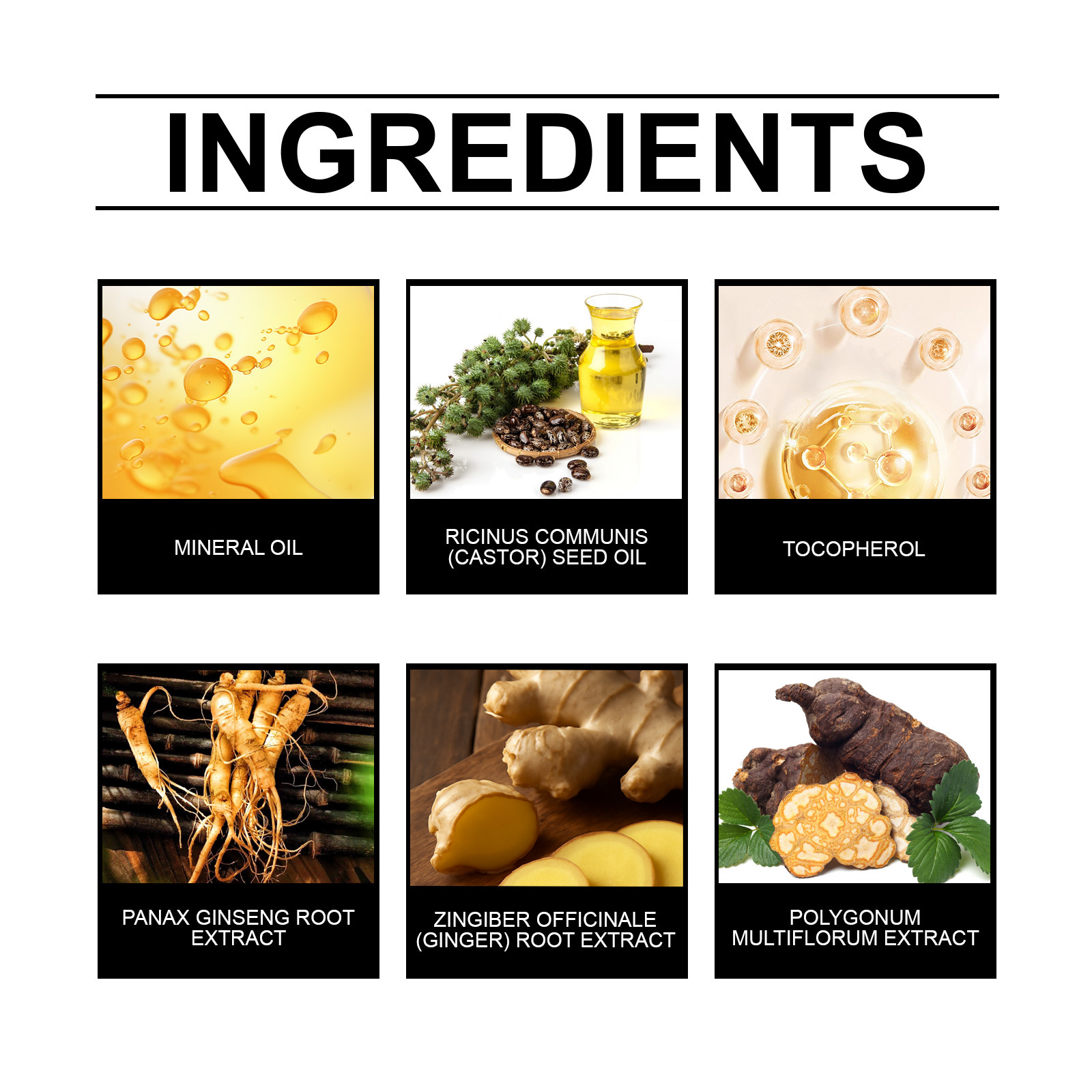
Stem Cell Niches in the Hair Bulge: Follicle Regeneration
Mechanism Overview: The Bulge as a Specialized Stem Cell Compartment The hair follicle bulge is not simply a location where stem cells happen to reside—it is a specialized microenvironment (niche)… Read More →
-
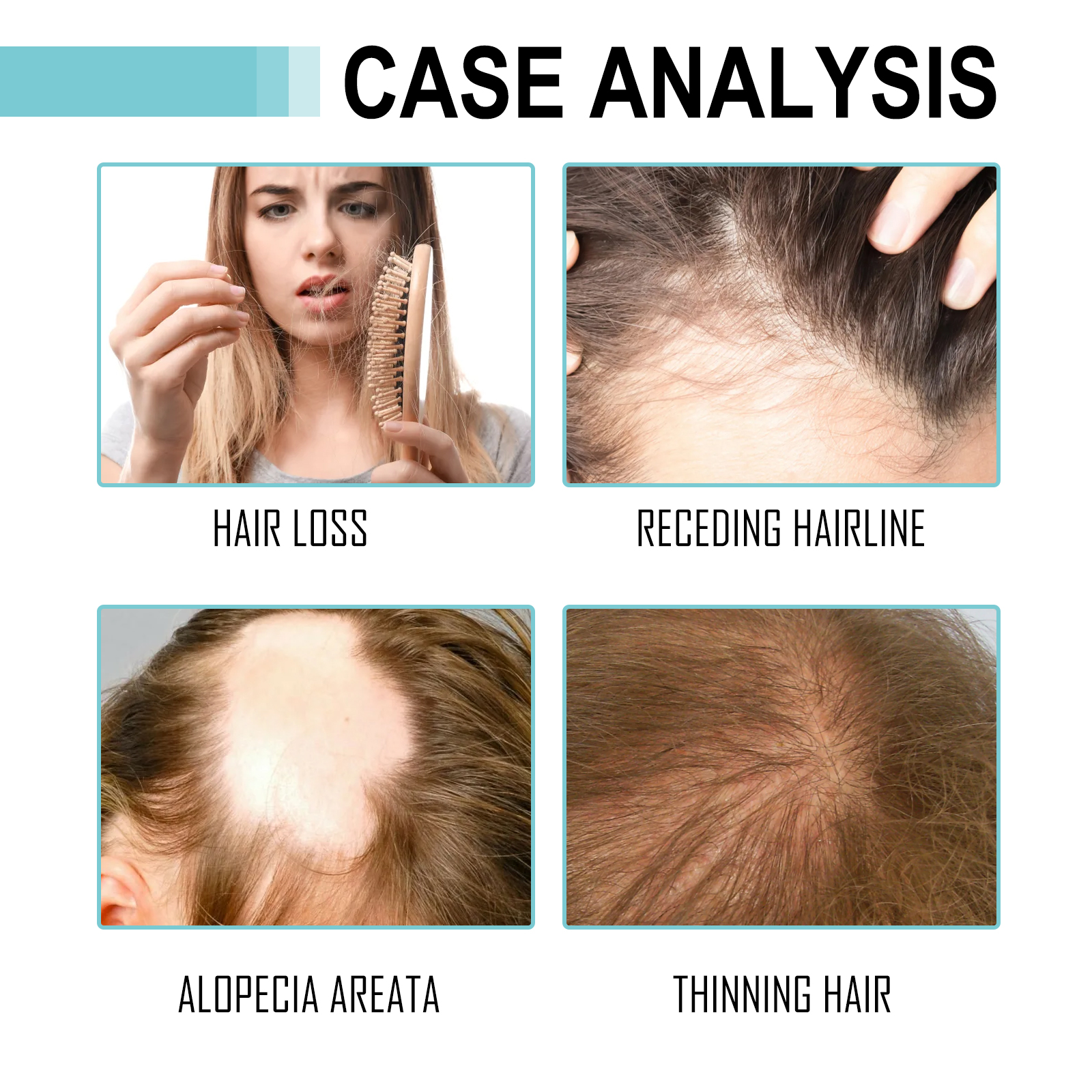
The Role of Vitamin C in Collagen Synthesis and Scalp Health
Mechanism Overview: Vitamin C Beyond Immunity Vitamin C (ascorbic acid) is a water-soluble vitamin best known for its role in immune function, but its most critical function for hair health is as an essential cofactor for collagen synthesis. Vitamin C is required for the hydroxylation of proline and lysine residues in procollagen—a modification that is…
-
Retinoids and Hair: Tretinoin as a Minoxidil Enhancer
Mechanism Overview: Retinoids as Follicle Signaling Modulators Retinoids are a class of compounds derived from vitamin A (retinol) that include retinaldehyde, retinoic acid (tretinoin), and synthetic analogs (adapalene, bexarotene). In dermatology, retinoids are best known for their effects on acne and skin aging, but they also have significant effects on hair follicle biology. The most…
-
IGF-1 and Hair Follicle Proliferation: The Growth Factor Connection
Mechanism Overview: IGF-1 as a Central Follicle Growth Factor Insulin-like growth factor 1 (IGF-1) is a 70-amino acid polypeptide hormone that is structurally related to proinsulin and is one of the most potent stimulators of cell proliferation and survival in the hair follicle. IGF-1 is produced locally by dermal papilla cells and signals through the…
-
Hyaluronic Acid for Scalp Hydration and Follicle Health
Mechanism Overview: Hyaluronic Acid as a Follicle Microenvironment Modulator Hyaluronic acid (HA, also called hyaluronan) is a glycosaminoglycan—a long, unbranched polysaccharide chain composed of repeating disaccharide units of glucuronic acid and N-acetylglucosamine. HA is a major component of the extracellular matrix (ECM) throughout the body, with the remarkable ability to bind up to 1,000 times…
-

Circadian Rhythms and Hair: How Sleep Disrupts Follicle Cycling
Mechanism Overview: The Follicle’s Internal Clock Circadian rhythms are approximately 24-hour cycles of biological activity regulated by a molecular clock consisting of the transcription factors CLOCK and BMAL1, which activate the expression of Period (PER1-3) and Cryptochrome (CRY1-2) genes, whose protein products in turn inhibit CLOCK/BMAL1, creating a self-sustaining oscillation. This molecular clock is present…
-
The Role of Copper in Lysyl Oxidase and Hair Pigmentation
Mechanism Overview: Copper at the Intersection of Structure and Color Copper is an essential trace element that serves as a cofactor for several enzymes critical to hair biology, most notably lysyl oxidase (required for collagen and elastin cross-linking), tyrosinase (the rate-limiting enzyme in melanin synthesis), and cytochrome c oxidase (needed for mitochondrial energy production). The…
-
Autophagy and Hair Follicle Health: Cellular Recycling Mechanisms
Mechanism Overview: The Follicle’s Internal Cleanup System Autophagy (from the Greek “self-eating”) is a cellular process by which damaged organelles, misfolded proteins, and other cellular debris are degraded and recycled. In the hair follicle, autophagy plays a critical role in the dramatic tissue remodeling that occurs during the catagen-telogen transition, when the lower two-thirds of…
-
PRP and Hair: Growth Factor Concentrations and Clinical Trial Results
Mechanism Overview: Concentrating the Body’s Growth Factors Platelet-rich plasma (PRP) is an autologous preparation of concentrated platelets in a small volume of plasma, obtained by centrifuging the patient’s own blood. Platelets are rich in alpha granules that contain over 30 growth factors and cytokines, including platelet-derived growth factor (PDGF), transforming growth factor beta (TGF-β), vascular…
-
Amino Acids in Keratin Synthesis: Cysteine, Methionine
Mechanism Overview: Building Blocks of Hair Hair is approximately 95% keratin protein, and keratin is composed of amino acids linked by peptide bonds into polypeptide chains. The hair follicle must synthesize approximately 6 meters of keratin protein per day (across all growing follicles) to maintain normal hair growth—a remarkable metabolic demand that requires a continuous…
-
Melatonin and Hair: Receptor Expression and Anagen-Promoting Effects
Mechanism Overview: Melatonin as a Follicle Hormone Melatonin (N-acetyl-5-methoxytryptamine) is best known as the “sleep hormone” produced by the pineal gland in response to darkness, but it has a much broader role as a tissue-protective molecule with potent antioxidant, anti-inflammatory, and anagen-promoting properties. The hair follicle expresses both MT1 and MT2 melatonin receptors, and local…
Popular Topics
- Science & Ingredients – Deep dives into the biology of hair growth
- Reviews & Buying Guides – Honest product reviews and comparison guides
- Support & FAQ – Practical how-to guides