

Why Castor Oil Remains a Hair Care Staple
Castor oil has been used for hair care across cultures for thousands of years, from ancient Egypt to modern-day Jamaica. Its exceptionally high ricinoleic acid content (85-90%) gives it unique properties among plant oils: antimicrobial activity, anti-inflammatory effects, and an unusually thick, viscous consistency that coats and protects the hair shaft. While direct clinical evidence for hair growth is limited, castor oil’s benefits for hair strength, moisture retention, and scalp health are well-documented—and these factors directly impact hair retention and the appearance of fullness.
The two main varieties—Jamaican Black Castor Oil (JBCO) and cold-pressed castor oil—differ in processing method, color, pH, and purported benefits. Understanding these differences helps you choose the right product for your specific needs.
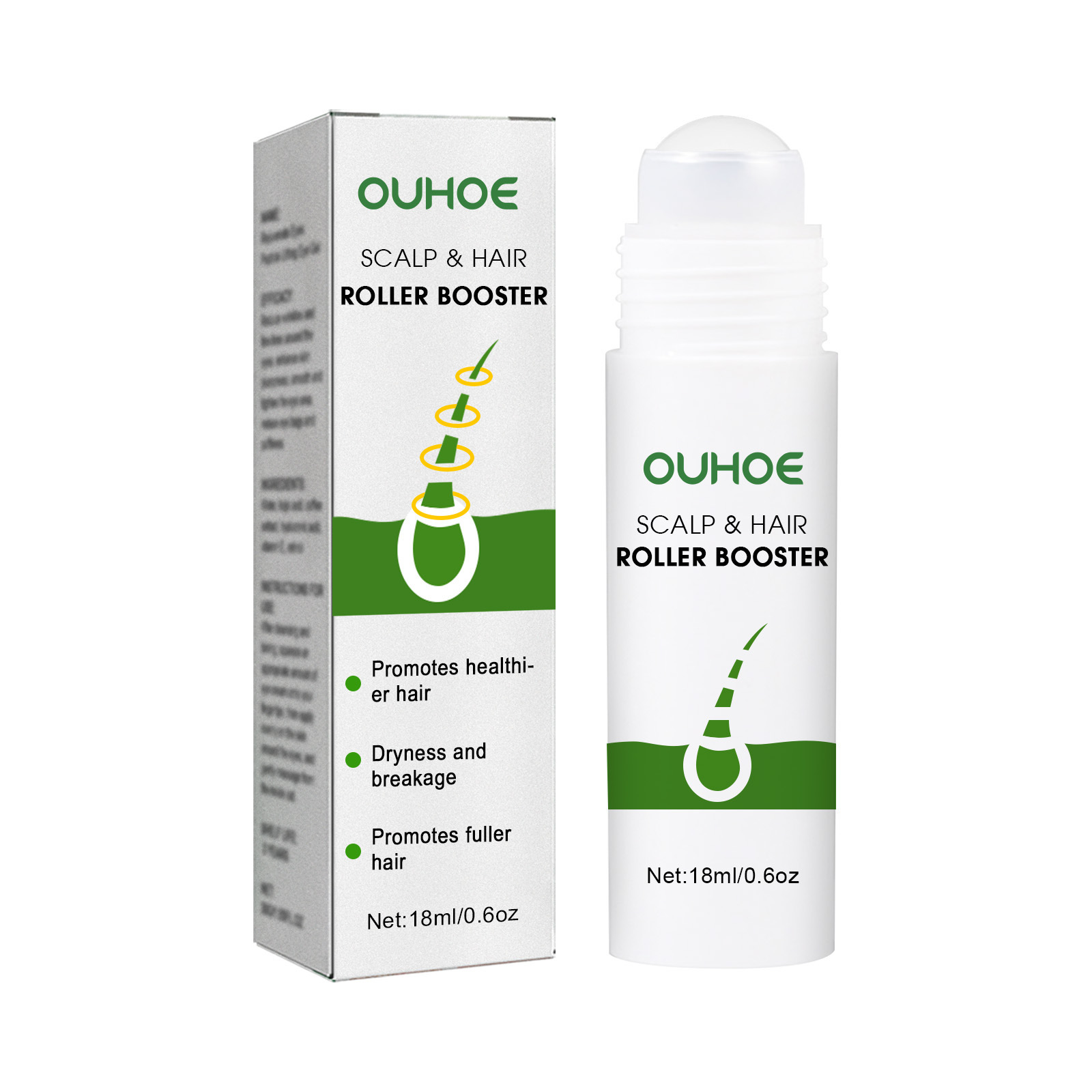
Jamaican Black Castor Oil (JBCO)
Processing: JBCO is made by first roasting castor beans, then grinding and boiling them to extract the oil. The roasting process produces ash, which gives JBCO its characteristic dark brown to black color and slightly smoky, nutty aroma. The ash content also makes JBCO slightly alkaline (pH 7.5-8.5), compared to cold-pressed castor oil’s neutral pH.
Claimed Benefits: Proponents argue that the roasting process enhances the oil’s properties, increasing its effectiveness for hair growth. The alkaline pH is said to help open the hair cuticle, allowing better penetration of the oil’s nutrients. However, no peer-reviewed study has directly compared JBCO to cold-pressed castor oil for hair outcomes. The alkaline pH may actually be a disadvantage for scalp use, as the scalp’s natural pH is slightly acidic (4.5-5.5)—disrupting this acid mantle can potentially irritate the scalp and affect the microbiome.
Texture: Thicker and more viscous than cold-pressed castor oil. The dark color can temporarily stain light-colored fabrics and pillowcases.
Cold-Pressed Castor Oil
Processing: Cold-pressed castor oil is extracted by mechanically pressing castor beans without heat or chemicals. This preserves the oil’s natural fatty acid profile and results in a pale yellow to clear product with a mild, almost neutral odor. The pH is neutral (6.5-7.0), closer to the scalp’s natural environment.
Claimed Benefits: Cold-pressed processing is said to preserve more of the oil’s natural nutrients, particularly vitamin E and omega fatty acids. The neutral pH is gentler on the scalp’s acid mantle. The lighter consistency makes it easier to apply and wash out.
Texture: Still thick and viscous (castor oil is inherently thick), but slightly less so than JBCO. Clear to pale yellow color that does not stain fabrics.
The Ricinoleic Acid Mechanism
Both varieties share the same primary active component: ricinoleic acid. This monounsaturated fatty acid (C18:1) constitutes 85-90% of castor oil and has documented antimicrobial properties against Candida albicans, Staphylococcus aureus, and other scalp-relevant microorganisms (a study by Vandamme et al. 2012 in the Journal of Applied Microbiology confirmed these antimicrobial effects).
A more relevant mechanism for hair health is ricinoleic acid’s interaction with prostaglandins. Research by Garza et al. (2012) published in Science Translational Medicine identified prostaglandin D2 (PGD2) as a factor in follicle miniaturization in androgenetic alopecia. Ricinoleic acid is a structural analog of prostaglandins and has been shown to inhibit PGD2 synthesis in vitro. However, this mechanism has not been validated in human trials with topical castor oil—the concentration and penetration required to meaningfully inhibit PGD2 in living scalp tissue remain unknown.
Top Castor Oil Products
Sky Organics Castor Oil: $9.99 for 16oz. Cold-pressed, hexane-free, organic. One of the most popular and best-value castor oils on the market. The large 16oz bottle provides approximately 6-12 months of supply depending on usage frequency. Comes with an applicator brush cap for easier scalp application. Third-party tested for purity. Cost: approximately $0.62/oz—best value per ounce.
Pura D’or Castor Oil: $12.99 for 16oz. . Slightly more expensive than Sky Organics but comes in a more premium bottle with a glass dropper for precise application. Pura D’or also offers a “Castor Oil Hair Therapy” set ($19.99) that includes a scalp massager and applicator brush. .81/oz.
Tropic Isle Living Jamaican Black Castor Oil: $10.99 for 8oz. The most popular JBCO brand, made using the traditional Jamaican roasting method. Authentic dark color and smoky aroma. Available in original and scented varieties (Lavender, Rosemary, Peppermint). Cost: approximately $1.37/oz—more expensive per ounce than cold-pressed options.
Sunny Isle Jamaican Black Castor Oil: $11.99 for 8oz. Another well-known JBCO brand with a slightly thicker consistency than Tropic Isle. Available in multiple formulations including a “Dark” version (more ash content) and a “Lavender” scented version. .50/oz.
Home Health Castor Oil: $7.99 for 16oz. Cold-pressed, hexane-free. A basic, no-frills option at the lowest price point. No applicator accessories included. Suitable for those who want pure castor oil without premium packaging. .50/oz—cheapest option.
Application Methods and effective methods
For Scalp Treatment: Apply a thin layer of castor oil directly to the scalp (no dilution needed—castor oil is a carrier oil, not an essential oil). Massage gently with fingertips for 3-5 minutes. Leave on for 2-4 hours or overnight (cover with a shower cap to protect bedding). Shampoo out with a clarifying shampoo—you may need to shampoo twice to remove the oil completely. Apply 1-2 times per week.
For Hair Shaft Conditioning: Mix castor oil with a lighter oil (coconut, jojoba, or argan) at a 1:1 ratio to make application easier and reduce the heavy, sticky feeling. Apply from mid-length to ends, avoiding the scalp. Leave for 30-60 minutes, then shampoo out.
For Eyebrows and Eyelashes: Use a clean spoolie or cotton swab to apply a tiny amount of cold-pressed castor oil to eyebrows and lash lines before bed. Be careful not to get oil in your eyes. While popular for this purpose, no clinical study has confirmed castor oil’s effectiveness for eyebrow or eyelash growth.
Frequently Asked Questions
Q: Is Jamaican Black Castor Oil better than regular castor oil for hair?
A: There is no clinical evidence that JBCO is superior. The roasting process may alter some properties, but whether this translates to better hair outcomes is unproven. JBCO’s alkaline pH may actually be less optimal for scalp health than cold-pressed oil’s neutral pH. Choose based on personal preference—JBCO for its traditional processing and nutty aroma, cold-pressed for its milder properties and easier application.
Q: Can castor oil cause hair loss?
A: No, castor oil does not cause hair loss. However, the heavy, thick consistency can make hair difficult to wash out, and aggressive scrubbing during removal can cause mechanical breakage. Always dilute with a lighter oil for easier removal, and be gentle during the washing process.
Q: How often should I use castor oil on my scalp?
A: 1-2 times per week is sufficient. Daily use is not recommended because the thick oil can build up on the scalp, potentially clogging follicles if not thoroughly removed. Less is more with castor oil—a thin layer is all you need.
Castor Oil for Eyebrow and Eyelash Care
Beyond scalp application, castor oil has become one of the most popular natural treatments for eyebrow and eyelash enhancement. While clinical evidence for this specific application is lacking, the logic is reasonable: the ricinoleic acid in castor oil provides moisturizing and conditioning benefits to the coarse hair of eyebrows and eyelashes, potentially reducing breakage and making the existing hairs appear fuller and healthier. The thick, viscous consistency of castor oil also coats each hair shaft, creating a temporary thickening effect similar to what hair fibers do on the scalp.
For eyebrows: apply a small amount of cold-pressed castor oil (Sky Organics, $9.99/16oz) using a clean spoolie or cotton swab, brushing through the brows in the direction of hair growth. Apply at night and leave on overnight. In the morning, cleanse the brow area with your regular face wash. Use daily for 6-8 weeks before evaluating results. For eyelashes: use a clean, disposable mascara wand to apply a very thin layer of castor oil to the upper lash line, being extremely careful not to get oil in the eye. Apply at night only. Discontinue immediately if any eye irritation occurs. Some users report that JBCO is too thick and dark for eyelash use, making cold-pressed castor oil the preferred option for this sensitive area.
For maximum scalp benefit, consider a castor oil “hair mask” once per week: apply generously to the scalp and hair lengths, cover with a shower cap, leave for 2-4 hours or overnight, then shampoo out thoroughly with a clarifying shampoo. This deep treatment provides intensive moisturization that daily leave-in applications cannot match, and the extended contact time may enhance the potential benefits of ricinoleic acid on the scalp environment.
what matters most
Sky Organics Castor Oil ($9.99/16oz) offers the best value and quality for cold-pressed castor oil, while Tropic Isle Living JBCO ($10.99/8oz) is the authentic Jamaican Black option. Both provide the same primary active ingredient (ricinoleic acid), and neither has clinical evidence of superiority. For most users, cold-pressed castor oil is easier to work with due to its milder scent, lighter color, and scalp-friendly neutral pH. Apply 1-2 times weekly, leave on for 2-4 hours or overnight, and shampoo out thoroughly. Castor oil is best viewed as a deep-conditioning treatment that supports scalp health and hair strength—not a standalone solution for hair thinning.