

Nobody tells you that surgery itself — not the condition being treated, but the physical trauma of surgery and anesthesia — can cause hair loss. I had a routine gallbladder removal and woke up with a healthy body and, three months later, no hair to speak of.
Understanding From Surgery Shedding to Stunning: My Post-Anesthesia Hair Recovery…
The shedding started about ten weeks post-surgery. I was losing handfuls in the shower, finding hair everywhere, and watching my already-fine hair become practically transparent at the crown. My surgeon said it was normal. My primary care doctor said it was normal. Nobody could tell me when it would stop or what to do about it.
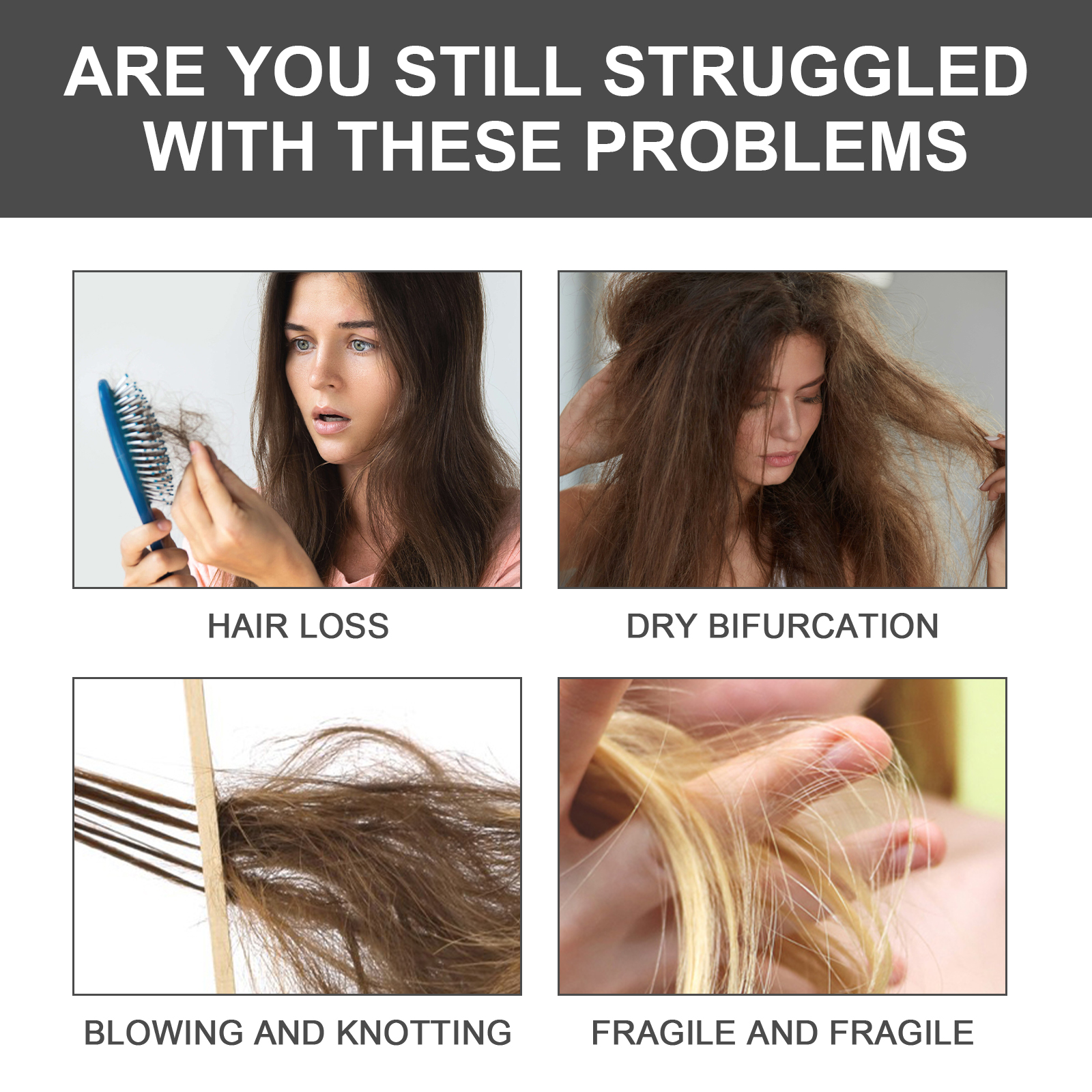
Post-surgical telogen effluvium is triggered by the physical stress of surgery, the metabolic impact of anesthesia, and sometimes by nutritional deficiencies from the post-operative recovery period. The body perceives surgery as a major stressor and shifts hair follicles from the growth phase into the resting phase en masse. Two to three months later, all those resting hairs shed simultaneously.
My bloodwork at month three post-surgery showed my ferritin had dropped from 35 to 12 ng/mL (surgical blood loss plus inadequate dietary intake during recovery), vitamin D was 16 ng/mL, and my protein levels were low-normal — I had barely eaten for two weeks after surgery due to nausea.
The protocol was straightforward nutritional rehabilitation combined with minoxidil for acceleration. I started 5% minoxidil foam applied once daily (my dermatologist said once daily is sufficient for telogen effluvium without androgenetic alopecia). I took 325 mg iron bisglycinate every other day with vitamin C, 5000 IU vitamin D3 with K2, a high-quality multivitamin, and increased my protein to 80 grams daily using both food and whey protein shakes.
I also added a daily scalp massage routine — five minutes of gentle circular pressure with my fingertips, no oils or tools, just consistent stimulation to increase blood flow to the follicles. While the evidence for scalp massage alone is limited, a small 2016 study showed a measurable increase in hair thickness after 24 weeks of daily massage.

The timeline was relatively fast compared to other types of telogen effluvium, probably because the trigger (surgery) was a single event rather than an ongoing condition. Month one of treatment: still heavy shedding. Month two: shedding reduced from 250+ to about 100 hairs daily. Month three: first baby hairs visible at the hairline. Month four: visible thickening at the crown, baby hairs about half an inch long. Month five: significant improvement — my part looked narrower and my ponytail felt thicker. Month seven: approximately 85% recovery of pre-surgery density.
The setbacks were minor compared to other hair loss journeys. At month two, I developed contact dermatitis from the liquid minoxidil and switched to the foam version, which was much better tolerated. At month four, I had a brief shedding spike from a particularly stressful work week — a reminder that emotional stress can still trigger follicle cycling even during recovery.
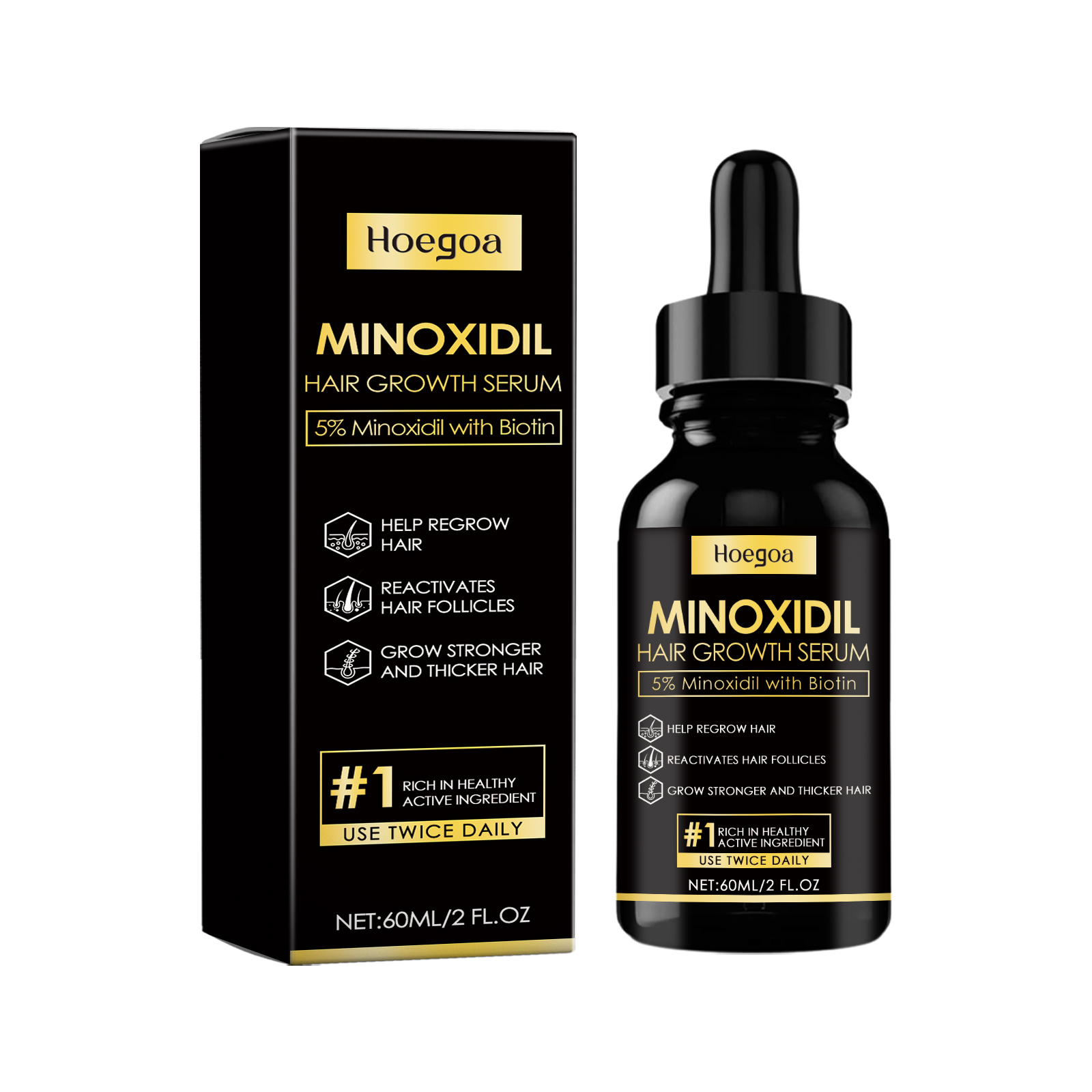
Seven months post-shedding, I am essentially back to my baseline hair density. I stopped minoxidil at month six per my dermatologist’s guidance — since my telogen effluvium was triggered by a resolved event (surgery) rather than an ongoing condition, I did not need to continue indefinitely. I still take a multivitamin and vitamin D, and I maintain a protein-rich diet.
Key Takeaways and Recommendations
The practical takeaways: Post-surgical hair loss is extremely common and almost always temporary. The key is addressing any nutritional deficiencies caused by the surgery and recovery period. Minoxidil can accelerate regrowth but may not be necessary if your bloodwork is optimized and the trigger has resolved. Give yourself grace — your body just went through a major physical stressor, and recovery takes time.
If you are facing surgery, consider asking your doctor about prophylactic iron and vitamin D supplementation in the post-operative period. I wish I had known to do this — it might have prevented the worst of the shedding.
One aspect of this journey that I have not seen discussed enough is the financial cost. Between dermatologist visits, bloodwork, prescription medications, over-the-counter supplements, and hair care products, I spent approximately $200-300 monthly on hair recovery. Insurance covered some of the prescriptions but none of the supplements or topical treatments. I mention this not to discourage anyone but to set realistic expectations — effective hair loss treatment is an investment, and budgeting for it is part of the process.
I also want to talk about the role of patience in a way that goes beyond the obvious “be patient” advice. True patience in hair recovery means accepting that you will have weeks where it seems like nothing is happening, weeks where things seem to be getting worse, and occasional weeks where you notice genuine improvement. The overall trajectory matters more than any single data point. I found it helpful to review my monthly photos rather than daily mirror checks — the progress was much more visible when viewed over longer intervals.
The social dimension of hair loss is something I underestimated. Comments from well-meaning friends and family — “Have you tried biotin?” or “My cousin used rosemary oil and it worked!” — while intended to be helpful, often felt dismissive of the medical complexity I was navigating. I learned to have a prepared response: “I am working with a dermatologist on a comprehensive treatment plan, and I appreciate your concern.” This was polite but also set a boundary that stopped the unsolicited advice.
I also found it helpful to be selective about who I shared my journey with. Not everyone deserves access to your vulnerability. I shared openly with my closest friends and family, selectively with colleagues, and not at all with acquaintances. This protected my emotional energy for the things that mattered — my treatment, my recovery, and my mental health.
One more practical point: I kept a detailed journal throughout my recovery, noting my treatment adherence, stress levels, sleep quality, and subjective hair assessments. Looking back, this journal was invaluable for identifying patterns — I could see that poor sleep consistently preceded increased shedding, and that the shedding always decreased about 4-6 weeks after a particularly good stretch of adherence to my protocol.
I want to address something that rarely comes up in hair loss discussions: the role of expectations. When I started treatment, I expected a linear improvement — steady, consistent progress toward full recovery. The reality was anything but linear. There were plateaus, regressions, and unexpected leaps forward. The path was more like a stock market chart than a straight line, and accepting this non-linearity was essential for my mental health.
I also learned to redefine success. My initial goal was full restoration to my pre-loss hair density. As the journey progressed, I adjusted this to meaningful improvement — hair that looked good, felt healthy, and allowed me to live without constant anxiety about my appearance. This adjusted expectation was not giving up; it was being realistic about what treatment could achieve while still appreciating the genuine gains I was making.
The comparison trap is another danger. Other people’s before-and-after photos on social media can be inspiring, but they can also be misleading. Lighting, angles, styling, and photo editing all affect how hair looks in images. Your real-life mirror under normal lighting is a more accurate gauge than anyone’s Instagram post.
One aspect of this journey that I have not seen discussed enough is the financial cost. Between dermatologist visits, bloodwork, prescription medications, over-the-counter supplements, and hair care products, I spent approximately $200-300 monthly on hair recovery. Insurance covered some of the prescriptions but none of the supplements or topical treatments. I mention this not to discourage anyone but to set realistic expectations — effective hair loss treatment is an investment, and budgeting for it is part of the process.
I also want to talk about the role of patience in a way that goes beyond the obvious “be patient” advice. True patience in hair recovery means accepting that you will have weeks where it seems like nothing is happening, weeks where things seem to be getting worse, and occasional weeks where you notice genuine improvement. The overall trajectory matters more than any single data point. I found it helpful to review my monthly photos rather than daily mirror checks — the progress was much more visible when viewed over longer intervals.
The social dimension of hair loss is something I underestimated. Comments from well-meaning friends and family — “Have you tried biotin?” or “My cousin used rosemary oil and it worked!” — while intended to be helpful, often felt dismissive of the medical complexity I was navigating. I learned to have a prepared response: “I am working with a dermatologist on a comprehensive treatment plan, and I appreciate your concern.” This was polite but also set a boundary that stopped the unsolicited advice.
I also found it helpful to be selective about who I shared my journey with. Not everyone deserves access to your vulnerability. I shared openly with my closest friends and family, selectively with colleagues, and not at all with acquaintances. This protected my emotional energy for the things that mattered — my treatment, my recovery, and my mental health.
One more practical point: I kept a detailed journal throughout my recovery, noting my treatment adherence, stress levels, sleep quality, and subjective hair assessments. Looking back, this journal was invaluable for identifying patterns — I could see that poor sleep consistently preceded increased shedding, and that the shedding always decreased about 4-6 weeks after a particularly good stretch of adherence to my protocol.
Internal linking suggestions: [Post-Surgery Hair Loss: Causes and Recovery], [Telogen Effluvium: Complete Guide], [Best Vitamins for Hair Recovery After Illness]