
I had been vegan for four years and was proud of it — until my hair started falling out. What began as slightly increased shedding became alarming thinning across my entire scalp over six months. My part widened, my ponytail shrank, and my hair lost its natural wave and became limp and lifeless. The irony was that I had gone vegan partly to improve my health, and instead I was watching my body deteriorate in the most visible way possible.
Understanding From Vegan Thinning to Vital Hair: My Protein Deficiency Recovery S…
The bloodwork told the story my diet had been hiding. My total protein was 5.8 g/dL (normal is 6.0-8.3). My ferritin was 6 ng/mL — essentially iron-depleted. My B12 was 180 pg/mL (low normal, but not adequate for hair growth). My zinc was 55 mcg/dL (low normal). My vitamin D was 15 ng/mL. My amino acid profile showed particularly low lysine and methionine — two sulfur-containing amino acids critical for keratin production.
My doctor was gentle but firm. “Your body is triaging,” she explained. “When protein intake is insufficient, your body directs what little it has to essential functions — organ maintenance, immune system, enzyme production. Hair is the first thing to be sacrificed because it is not essential for survival.” I was getting about 40 grams of protein daily on a good day, and my body needed at least 70-80 grams just for basic function, let alone hair growth.
The decision to change my diet was agonizing. I had ethical reasons for being vegan that I took seriously. After extensive research and consultation with a vegan-friendly nutritionist, I chose to remain plant-based but dramatically overhaul my protein intake. I added a vegan protein shake (Nuzest Clean Lean Protein, 25g per serving) twice daily. I started eating tempeh, seitan, and edamame daily. I incorporated nutritional yeast liberally for B vitamins. I began eating hemp seeds, chia seeds, and pumpkin seeds by the handful for their complete amino acid profiles.
For deficiencies, the protocol was aggressive. Iron: 325 mg ferrous sulfate every other day with 500 mg vitamin C, spaced four hours from calcium and coffee. B12: 5000 mcg sublingual methylcobalamin daily — I needed a high dose because my absorption was compromised. Zinc: 50 mg zinc picolinate daily with food. Vitamin D: 7000 IU D3 with K2 daily. I also added an algae-based omega-3 supplement (2000 mg combined EPA/DHA) because I had been avoiding all fish-based supplements.
For topical support, I started using 5% minoxidil foam once daily at night. My dermatologist recommended this to accelerate regrowth while the nutritional corrections took effect. I also began weekly rosemary oil scalp massages — 4 drops of rosemary essential oil in 1 tablespoon of argan oil, left on for 90 minutes before washing.
The dietary changes were the hardest part. Getting 80+ grams of protein daily from plant sources required constant planning and eating. I tracked every meal in an app for the first three months to ensure I was hitting my targets. Some days it felt like a full-time job. But the alternative — losing more hair — was not acceptable.
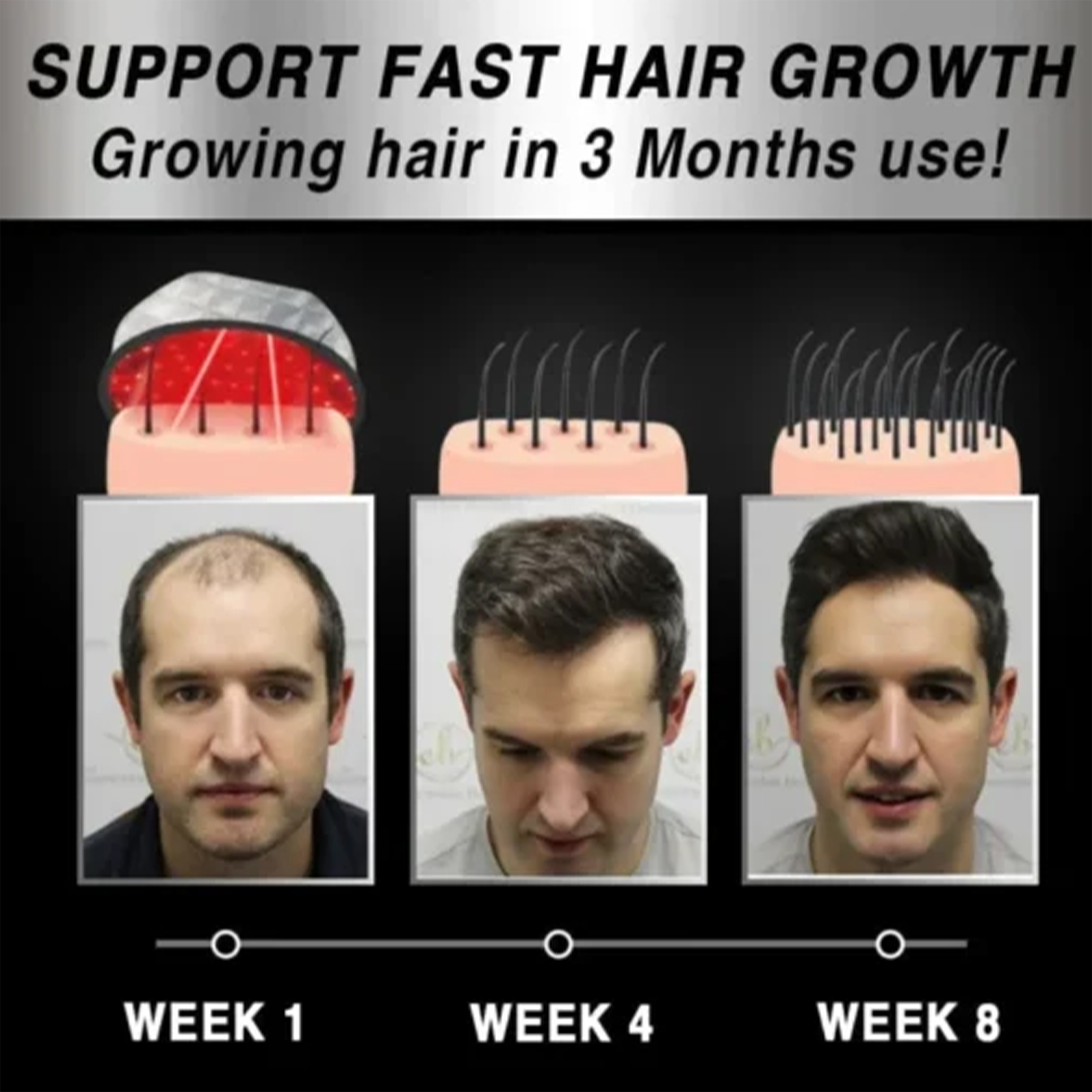
The timeline was a lesson in patience. Months one through three: increased shedding from the minoxidil shed phase plus the lag time before nutritional corrections reached my follicles. I lost hope repeatedly during this period. Month four: shedding slowed from 200+ to about 100 hairs daily. Month five: first baby hairs visible at the hairline. Month six: noticeable improvement in hair texture — less limp, more body. Month nine: my ponytail circumference had increased by approximately 30%. Month twelve: my hair density had recovered to about 80% of what it was before the thinning started.
The biggest setback was at month two when my iron supplement caused severe constipation. I switched to a gentler form — iron bisglycinate — and added magnesium citrate, which resolved the issue. I also made the mistake of adding massive doses of biotin (10,000 mcg) based on internet advice, which caused cystic acne and did nothing visible for my hair. I now take a modest 300 mcg as part of my B-complex.
Key Takeaways and Recommendations
One year later, I am still plant-based but I am no longer naive about the nutritional demands of healthy hair. I track my protein intake weekly (not daily — that became obsessive), get bloodwork every four months, and have accepted that supplementation is not optional on a vegan diet — it is essential.
The practical takeaways: Vegan diets can support healthy hair, but only with meticulous planning and adequate supplementation. Protein is the single most important macronutrient for hair growth — aim for at least 1.2 g/kg body weight. Iron and B12 deficiencies are the most common and most impactful vegan-related causes of hair loss. Do not assume you are getting enough of anything — test, supplement, retest. And do not wait for your hair to fall out before optimizing your nutrition.
My hair is proof that you can reverse diet-related hair loss without abandoning your values — but you cannot reverse it without changing your habits.
One aspect of this journey that I have not seen discussed enough is the financial cost. Between dermatologist visits, bloodwork, prescription medications, over-the-counter supplements, and hair care products, I spent approximately $200-300 monthly on hair recovery. Insurance covered some of the prescriptions but none of the supplements or topical treatments. I mention this not to discourage anyone but to set realistic expectations — effective hair loss treatment is an investment, and budgeting for it is part of the process.
I also want to talk about the role of patience in a way that goes beyond the obvious “be patient” advice. True patience in hair recovery means accepting that you will have weeks where it seems like nothing is happening, weeks where things seem to be getting worse, and occasional weeks where you notice genuine improvement. The overall trajectory matters more than any single data point. I found it helpful to review my monthly photos rather than daily mirror checks — the progress was much more visible when viewed over longer intervals.
The social dimension of hair loss is something I underestimated. Comments from well-meaning friends and family — “Have you tried biotin?” or “My cousin used rosemary oil and it worked!” — while intended to be helpful, often felt dismissive of the medical complexity I was navigating. I learned to have a prepared response: “I am working with a dermatologist on a comprehensive treatment plan, and I appreciate your concern.” This was polite but also set a boundary that stopped the unsolicited advice.
I also found it helpful to be selective about who I shared my journey with. Not everyone deserves access to your vulnerability. I shared openly with my closest friends and family, selectively with colleagues, and not at all with acquaintances. This protected my emotional energy for the things that mattered — my treatment, my recovery, and my mental health.
One more practical point: I kept a detailed journal throughout my recovery, noting my treatment adherence, stress levels, sleep quality, and subjective hair assessments. Looking back, this journal was invaluable for identifying patterns — I could see that poor sleep consistently preceded increased shedding, and that the shedding always decreased about 4-6 weeks after a particularly good stretch of adherence to my protocol.
I want to address something that rarely comes up in hair loss discussions: the role of expectations. When I started treatment, I expected a linear improvement — steady, consistent progress toward full recovery. The reality was anything but linear. There were plateaus, regressions, and unexpected leaps forward. The path was more like a stock market chart than a straight line, and accepting this non-linearity was essential for my mental health.
I also learned to redefine success. My initial goal was full restoration to my pre-loss hair density. As the journey progressed, I adjusted this to meaningful improvement — hair that looked good, felt healthy, and allowed me to live without constant anxiety about my appearance. This adjusted expectation was not giving up; it was being realistic about what treatment could achieve while still appreciating the genuine gains I was making.
The comparison trap is another danger. Other people’s before-and-after photos on social media can be inspiring, but they can also be misleading. Lighting, angles, styling, and photo editing all affect how hair looks in images. Your real-life mirror under normal lighting is a more accurate gauge than anyone’s Instagram post.
Internal linking suggestions: [Vegan Diet and Hair Loss: What You Need to Know], [Best Plant-Based Proteins for Hair Growth], [Iron Deficiency Hair Loss Recovery Guide]