

At 53, I watched my ponytail go from the thickness of a quarter to the diameter of a pencil over the course of eighteen months. Menopause had stolen my hair, and I felt like I was losing a fundamental part of my identity. Every woman in my family had experienced this — my grandmother wore wigs, my mother kept her hair short and sparse — and I was determined not to accept it as inevitable.
Understanding From Thin to Thick in My 50s: Reversing Menopause Hair Loss Without…
My gynecologist offered HRT, but after a careful review of my personal risk factors — a family history of breast cancer and a clotting disorder — I was not a candidate. The door to hormone replacement was closed, and I had to find another way.
The first step was understanding what was actually happening. Perimenopause and menopause cause a dramatic drop in estrogen and progesterone — both of which are hair-protective hormones that extend the anagen (growth) phase. Simultaneously, the relative increase in androgens can trigger or accelerate androgenetic alopecia. For me, this meant diffuse thinning across my crown and a widening part that made my scalp visible in any overhead lighting.
My dermatologist confirmed female pattern hair loss (Ludwig Stage II) and telogen effluvium from the hormonal transition. Bloodwork showed my estradiol was at 8 pg/mL (postmenopausal range), my ferritin was 22 ng/mL, vitamin D was 18 ng/mL, and my thyroid was borderline. Not catastrophic, but not optimal for hair growth either.
The protocol I developed with my dermatologist was deliberately non-hormonal. First, 5% minoxidil foam applied twice daily — this was the cornerstone. Studies show minoxidil is effective in postmenopausal women, with approximately 60% seeing measurable improvement after 12 months. Second, I started taking 50 mg of spironolactone daily (gradually increased to 100 mg over three months) to block androgen effects at the follicle. Third, I addressed every nutritional deficiency: 325 mg ferrous sulfate with vitamin C every other day, 5000 IU vitamin D3 with K2, and a high-quality multivitamin.
But the real significant improvement was something I stumbled upon accidentally. At month four, frustrated with slow progress, I added a red light therapy device — the iRestore Professional — using it three times weekly for 25 minutes. Within two months of adding LLLT, the baby hairs along my hairline became visibly thicker and darker. The combination of minoxidil plus LLLT appears to have synergistic effects, something a 2020 study in the Journal of Dermatology confirmed.
Dietary changes were substantial. I adopted a Mediterranean-style eating pattern focused on anti-inflammatory foods: fatty fish four times weekly (salmon, sardines, mackerel for omega-3s), two tablespoons of ground flaxseed daily for phytoestrogens, walnuts, leafy greens, and berries. I eliminated processed sugar and reduced alcohol to one drink per week. I also started drinking spearmint tea twice daily — two cups of spearmint tea have been shown in Turkish studies to reduce free testosterone levels in women with PCOS, and I reasoned it might help with my androgen sensitivity.
The timeline was long. Months one through five of minoxidil, I saw increased shedding (the dreaded shed phase) and almost gave up twice. Month six was when shedding normalized. Month eight brought visible baby hairs at the temples. Month twelve was the first time someone who did not know about my journey commented that my hair looked thicker. By month fourteen, my ponytail circumference had increased from roughly the diameter of a pencil to that of my index finger.
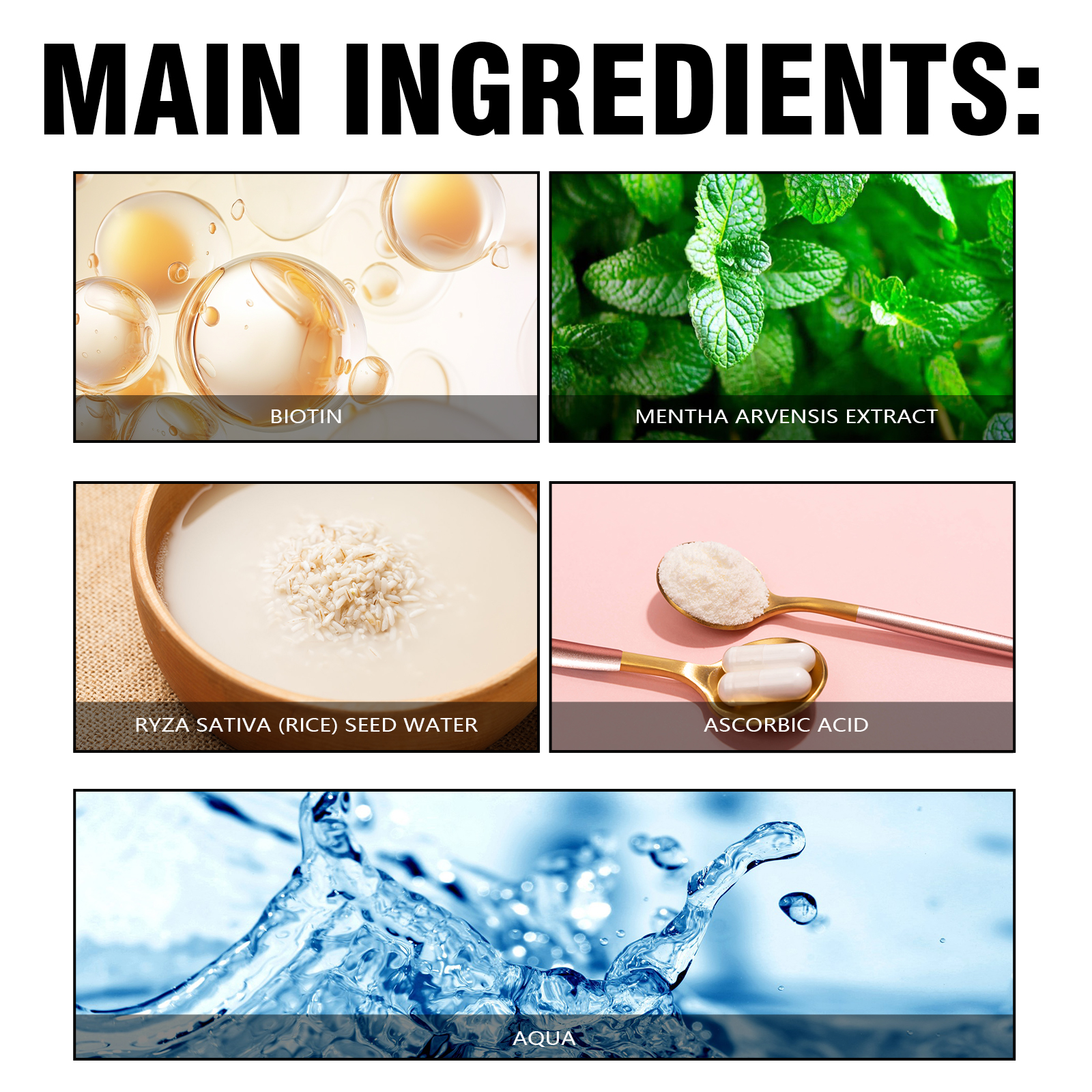
Setbacks included a two-week period at month seven when I got bronchitis and the hair loss spiked again — illness is a powerful trigger for telogen effluvium. I also had a bad reaction to a “natural” hair growth supplement that contained high-dose biotin (10,000 mcg) which interfered with my thyroid lab results and caused cystic acne. I now stick to lower-dose biotin (300 mcg) or skip it entirely.

At month sixteen, I can honestly say my hair is thicker than it was at the start of menopause. Is it as thick as it was at 35? No. But it is healthy, growing, and I no longer feel self-conscious about my scalp showing. I wear my hair down again, something I had not done in two years.
Key Takeaways and Recommendations
The most important insights from this journey: Menopause hair loss is not a sentence — it is a condition with multiple treatment avenues. Minoxidil works for postmenopausal women but requires at least 8-12 months of consistent use before judging results. Combination therapy (minoxidil + spironolactone + LLLT) is more effective than any single approach. Nutritional optimization matters enormously — your follicles cannot build hair without adequate building blocks. And HRT is not the only option; I achieved meaningful regrowth without it.
To any woman reading this who feels like menopause has taken something irreplaceable — you have options. You have time. And you are not alone in this fight.
The role of sleep in menopausal hair recovery cannot be overstated. During menopause, sleep disruption from hot flashes and night sweats is extremely common, and sleep deprivation directly impacts hair follicle cycling. Growth hormone, which stimulates hair growth, is primarily released during deep sleep. I invested heavily in sleep optimization: a cooling mattress pad to manage night sweats, magnesium glycinate (400 mg) before bed, and a consistent sleep-wake schedule. When my sleep improved, my hair recovery accelerated noticeably.
I also want to address the topic of hair styling during recovery. For the first eight months, I wore my hair in a way that minimized stress on thinning areas — loose styles, no tight clips, minimal heat. I worked with a stylist who specialized in thinning hair and learned techniques like strategic layering (which creates the illusion of volume), root clipping (which lifts hair at the crown), and color placement (lighter pieces around the face draw attention away from thinning at the crown). These were not treatments, but they made the recovery period far more bearable.
Another often-overlooked factor: medication interactions. I was taking blood pressure medication (lisinopril) that can rarely contribute to hair thinning. My doctor switched me to an alternative (amlodipine) that does not have this side effect. If you are on any medications and experiencing hair loss, review them with your prescribing doctor — the connection may not be obvious.
Additional practical tips for menopausal hair recovery without HRT: First, consider having your DHEA-S and total testosterone levels checked — if they are elevated, spironolactone may be particularly beneficial. Second, do not waste money on “hair growth” shampoos — the contact time is too short for any active ingredient to penetrate the scalp. Third, invest in a silk or satin pillowcase — it reduces friction-based breakage on already fragile menopausal hair. Fourth, be wary of biotin megadosing — doses above 5000 mcg can interfere with thyroid and cardiac lab tests and cause cystic acne. Fifth, consider joining a menopause-specific support group — the hair loss experience in menopause has unique emotional dimensions that general hair loss forums may not address.
One aspect of this journey that I have not seen discussed enough is the financial cost. Between dermatologist visits, bloodwork, prescription medications, over-the-counter supplements, and hair care products, I spent approximately $200-300 monthly on hair recovery. Insurance covered some of the prescriptions but none of the supplements or topical treatments. I mention this not to discourage anyone but to set realistic expectations — effective hair loss treatment is an investment, and budgeting for it is part of the process.
I also want to talk about the role of patience in a way that goes beyond the obvious “be patient” advice. True patience in hair recovery means accepting that you will have weeks where it seems like nothing is happening, weeks where things seem to be getting worse, and occasional weeks where you notice genuine improvement. The overall trajectory matters more than any single data point. I found it helpful to review my monthly photos rather than daily mirror checks — the progress was much more visible when viewed over longer intervals.
The social dimension of hair loss is something I underestimated. Comments from well-meaning friends and family — “Have you tried biotin?” or “My cousin used rosemary oil and it worked!” — while intended to be helpful, often felt dismissive of the medical complexity I was navigating. I learned to have a prepared response: “I am working with a dermatologist on a comprehensive treatment plan, and I appreciate your concern.” This was polite but also set a boundary that stopped the unsolicited advice.
I also found it helpful to be selective about who I shared my journey with. Not everyone deserves access to your vulnerability. I shared openly with my closest friends and family, selectively with colleagues, and not at all with acquaintances. This protected my emotional energy for the things that mattered — my treatment, my recovery, and my mental health.
One more practical point: I kept a detailed journal throughout my recovery, noting my treatment adherence, stress levels, sleep quality, and subjective hair assessments. Looking back, this journal was invaluable for identifying patterns — I could see that poor sleep consistently preceded increased shedding, and that the shedding always decreased about 4-6 weeks after a particularly good stretch of adherence to my protocol.
Internal linking suggestions: [Menopause Hair Loss: Complete Treatment Guide], [LLLT for Female Hair Loss: Does It Work?], [Best Non-Hormonal Treatments for Menopausal Thinning]