

When I decided to stop taking my birth control pills after twelve years, I thought the worst I would deal with was irregular periods and some acne. Nobody warned me about the hair loss. Within eight weeks of my last pill, my hair started falling out in quantities I had never experienced before.
Understanding From Shedding to Thick: My 10-Month Journey After Stopping Birth Co…
Birth control pills suppress ovulation by maintaining elevated estrogen levels. When you stop taking them, estrogen drops relatively quickly while androgens — which had been suppressed — can rebound. For women like me who are sensitive to androgens, this means a double blow: telogen effluvium from the hormonal crash plus androgenic thinning from the androgen surge. My dermatologist later confirmed both were happening simultaneously.
The shedding was relentless. I was losing 200-300 hairs daily. My part widened noticeably over two months. The hair at my temples became sparse and fine. I would find hair on my keyboard, on my car seat, in my food. Every morning I dreaded washing my hair because the drain would be clogged. I started avoiding social events and wore my hair in tight buns to hide the thinning.
I saw three different doctors before finding one who took me seriously. The first told me it was “just stress.” The second said “it will grow back on its own, give it time.” The third — a dermatologist specializing in hair loss — ran bloodwork that showed my free testosterone was elevated, my SHBG (sex hormone-binding globulin) had plummeted since stopping the pill, and my ferritin was only 15 ng/mL despite eating a decent diet.
The treatment protocol was multi-pronged. For the androgenic component, I started using 5% minoxidil foam once daily at night (I have no pregnancy risk so once daily was sufficient for maintenance). For the telogen effluvium, I addressed the ferritin deficiency with 325 mg of ferrous sulfate every other day (alternating days improves absorption) with 500 mg of vitamin C. I added 2500 mcg of sublingual biotin daily and a spironolactone prescription of 100 mg daily to block the androgen effects at the follicle level.
Dietary changes were significant. I increased my iron-rich foods — liver twice weekly, oysters, lentils, spinach with lemon juice for absorption. I eliminated dairy for three months since it can increase androgen production in some women. I added two tablespoons of ground flaxseed daily for lignans, which may help modulate estrogen metabolism.
The emotional toll was the hardest part. Month two through four was the darkest period. The shedding did not slow down at all despite treatment. I cried in the shower regularly. I joined online support groups and found hundreds of women going through the exact same thing, which helped me feel less alone. One woman in the group told me “month six is when things turn around” — and she was right.
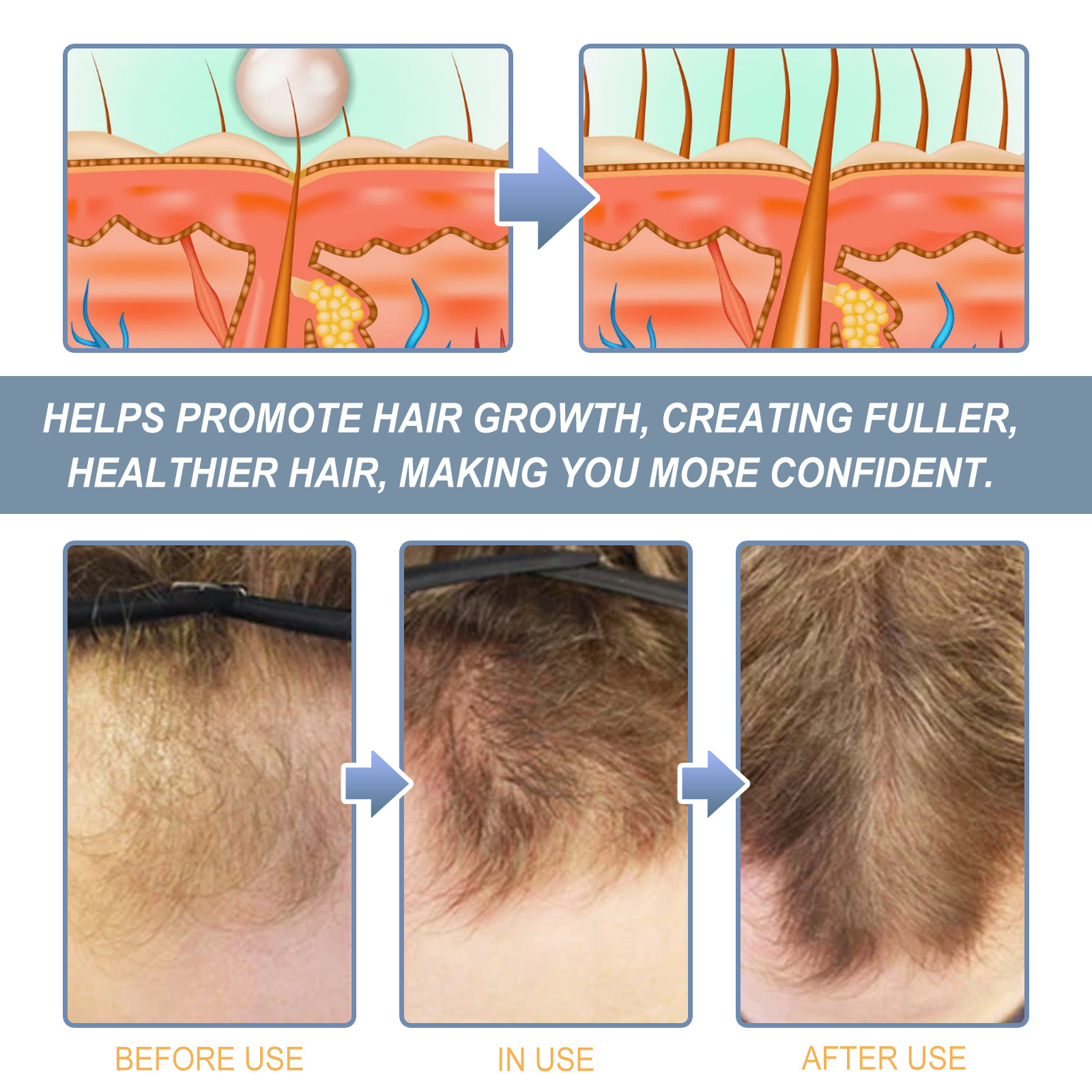
At month five, the shedding finally decreased to about 80-100 hairs per day. At month six, I noticed short new growth along my hairline — dark, coarse hairs pushing through. By month eight, my part had narrowed visibly and the temple areas were filling in. Month ten was when I finally felt like my hair was genuinely recovering — not just slower loss, but real, visible regrowth.
The setbacks were real. At month three, the spironolactone caused low blood pressure and dizziness, so we reduced to 50 mg and gradually titrated back up. At month five, I had a week of heavy shedding that terrified me — turned out to be a minor telogen effluvium from a bad flu. The body is sensitive to any stressor when it is already in recovery mode.
Ten months post-pill, my hair density is approximately 80% of what it was before stopping. The regrowth is most visible at my temples and crown. I still use minoxidil daily and take spironolactone. My ferritin is now 55 ng/mL, and my free testosterone has normalized. My dermatologist says the remaining thinning should continue to improve over the next six months.
Key Takeaways and Recommendations
The most important lesson: post-birth control hair loss is extremely common but rarely discussed. If you are planning to stop hormonal contraception, ask your doctor about prophylactic minoxidil and get your ferritin and hormone levels checked first. Do not let anyone tell you it is “just in your head” — it is in your follicles, and it is treatable.
My biggest regret is not starting treatment sooner. I lost three months to dismissive doctors and denial. If I could go back, I would have seen a hair-loss specialist the moment the shedding exceeded 100 hairs per day. Early intervention makes a real difference.
The psychological impact of post-pill hair loss deserves more attention than it receives. Hair is deeply tied to femininity and identity, and watching it fall out after making what should be a positive health decision feels profoundly unfair. I went through periods of anger — at my doctors for not warning me, at the pharmaceutical industry for downplaying the side effect, and at my own body for being so sensitive to hormonal changes. Therapy helped me process these feelings constructively rather than letting them fuel the anxiety that was making the shedding worse.
One of the most important things I learned was that post-pill amenorrhea (the period of time before your natural cycles resume) varies enormously. My cycles did not return for seven months after stopping the pill, which meant my hormones were fluctuating unpredictably during that entire period. Some women resume cycling within weeks; others take over a year. The longer the disruption, the more prolonged the hair shedding tends to be.
I also discovered that the type of birth control pill matters. I had been on a combination pill with a relatively high androgenic progestin (norgestimate). In retrospect, a pill with a less androgenic progestin like drospirenone might have caused less post-pill androgen rebound. This is something I wish my prescribing doctor had discussed when I first started the pill twelve years earlier.
Additional practical tips for anyone dealing with post-birth control hair loss: First, get your hormone levels checked at 3, 6, and 12 months after stopping — the trajectory matters as much as the absolute numbers. Second, be cautious with “hormone balancing” supplements — many contain phytoestrogens that can either help or hinder depending on your specific hormonal profile. Third, if you are considering starting or stopping hormonal contraception, ask your doctor about the specific androgenic index of the progestin in your pill. Fourth, consider seeing an endocrinologist rather than just a dermatologist — the hormonal complexity of post-pill hair loss benefits from specialist input. Fifth, track your shedding quantitatively — count hairs in the shower trap and on your pillow daily for the first six months so you can objectively measure improvement.
One aspect of this journey that I have not seen discussed enough is the financial cost. Between dermatologist visits, bloodwork, prescription medications, over-the-counter supplements, and hair care products, I spent approximately $200-300 monthly on hair recovery. Insurance covered some of the prescriptions but none of the supplements or topical treatments. I mention this not to discourage anyone but to set realistic expectations — effective hair loss treatment is an investment, and budgeting for it is part of the process.
I also want to talk about the role of patience in a way that goes beyond the obvious “be patient” advice. True patience in hair recovery means accepting that you will have weeks where it seems like nothing is happening, weeks where things seem to be getting worse, and occasional weeks where you notice genuine improvement. The overall trajectory matters more than any single data point. I found it helpful to review my monthly photos rather than daily mirror checks — the progress was much more visible when viewed over longer intervals.
The social dimension of hair loss is something I underestimated. Comments from well-meaning friends and family — “Have you tried biotin?” or “My cousin used rosemary oil and it worked!” — while intended to be helpful, often felt dismissive of the medical complexity I was navigating. I learned to have a prepared response: “I am working with a dermatologist on a comprehensive treatment plan, and I appreciate your concern.” This was polite but also set a boundary that stopped the unsolicited advice.
I also found it helpful to be selective about who I shared my journey with. Not everyone deserves access to your vulnerability. I shared openly with my closest friends and family, selectively with colleagues, and not at all with acquaintances. This protected my emotional energy for the things that mattered — my treatment, my recovery, and my mental health.
One more practical point: I kept a detailed journal throughout my recovery, noting my treatment adherence, stress levels, sleep quality, and subjective hair assessments. Looking back, this journal was invaluable for identifying patterns — I could see that poor sleep consistently preceded increased shedding, and that the shedding always decreased about 4-6 weeks after a particularly good stretch of adherence to my protocol.
Internal linking suggestions: [Birth Control and Hair Loss: What You Need to Know], [Spironolactone for Female Hair Loss], [Minoxidil Foam for Women: How to Use It Correctly]