

If you started taking a GLP-1 medication like Ozempic, Wegovy, or Mounjaro sometime in the last year, you probably weren’t expecting hair loss to be part of the deal. Yet dermatology clinics across the country have seen a steady uptick in patients reporting thinning hair while on these drugs. Some noticed it within weeks of ramping up their dose. Others didn’t see shedding until they’d been on the medication for six months or more.
So what’s actually going on here? Is the medication itself damaging your hair follicles, or is something else driving the shedding? The short answer: in most cases, the hair loss isn’t caused by the drug directly. It’s triggered by the rapid weight loss the drug produces, along with nutritional gaps that can develop when your appetite drops significantly. That distinction matters, because it means the hair loss is usually temporary and manageable.

The Science: Why Rapid Weight Loss Triggers Shedding
Your hair follicles operate on a cycle. Roughly 90% of your hair sits in the anagen (growth) phase at any given time, while the remaining 10% rests in telogen before eventually falling out. When your body experiences a significant shock, whether that’s surgery, illness, extreme calorie restriction, or rapid weight loss, a large number of follicles can shift prematurely from anagen into telogen. This condition is called telogen effluvium, and it typically shows up two to three months after the triggering event.
GLP-1 agonists like semaglutide and tirzepatide are remarkably effective at producing weight loss. Clinical trial data shows patients routinely lose 15% or more of their body weight within a year. But that kind of rapid transformation is exactly the scenario that tends to trigger telogen effluvium. The hair loss isn’t a side effect of the molecule itself. It’s a downstream consequence of how quickly your body composition is changing.
A 2022 study published in Journal of the American Academy of Dermatology documented increased reports of hair loss among patients on semaglutide, but the researchers attributed most cases to the rate of weight loss rather than a direct pharmacological effect on follicles. The takeaway: the shedding tends to resolve once weight stabilizes.
Nutritional Deficiencies: The Other Half of the Story
Here’s where things get more complicated. GLP-1 medications work partly by suppressing appetite. When you’re eating significantly less food, you’re also taking in fewer vitamins, minerals, and protein. Several nutrients are directly tied to healthy hair growth, and falling short on any of them can worsen or prolong shedding:
- Iron: Low ferritin levels are one of the most common causes of hair thinning in women. Rapid weight loss can accelerate iron depletion, especially if you’ve cut back on red meat.
- Protein: Hair is primarily made of keratin, a protein. If your protein intake drops below 0.8g per kg of body weight, your body may prioritize essential functions over hair production.
- Zinc: This mineral plays a role in follicle cell division and protein synthesis. Zinc deficiency can mimic androgenetic alopecia in appearance.
- Vitamin D: Receptors for vitamin D exist in hair follicles, and deficiency has been linked to several forms of hair loss.
- B vitamins (including biotin): While biotin deficiency is rare, a broader lack of B vitamins during calorie restriction can affect hair quality and growth rate.
If you’re on a GLP-1 medication and noticing increased shedding, ask your doctor to run a basic nutrient panel. Identifying and correcting a deficiency early can significantly shorten the duration of hair loss. A daily multivitamin may help bridge some gaps, but it’s no substitute for actually knowing what your levels look like.
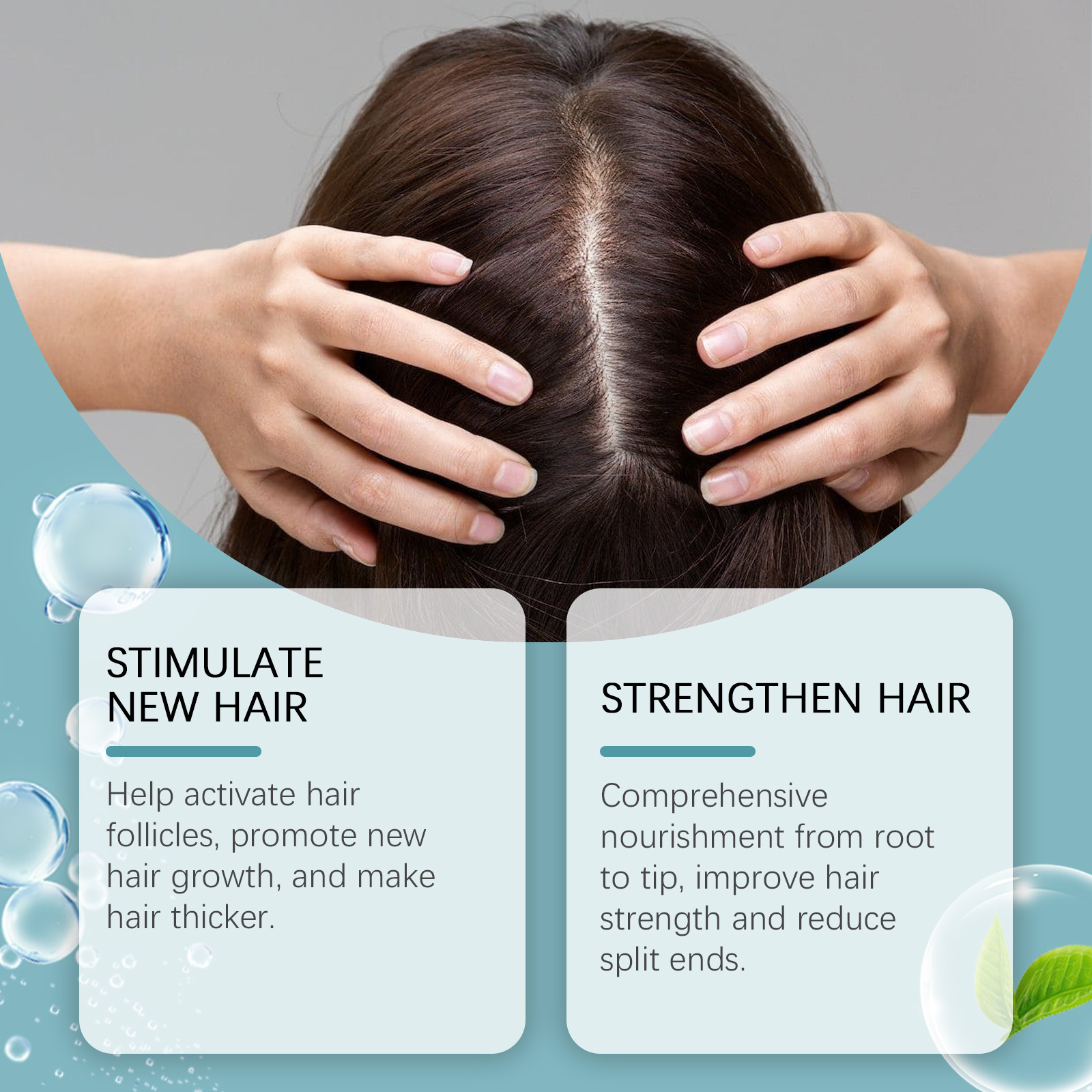
How Long Does the Shedding Last?
Telogen effluvium typically lasts three to six months. The hair that’s already shifted into the resting phase will fall out, and there’s not much you can do to stop that specific hair from shedding. But new growth should resume once the underlying trigger, in this case rapid weight loss, slows down or stops.
This is an important point: many people panic when they see hair falling out and assume the loss is permanent. It usually isn’t. The follicles aren’t dying. They’re just cycling. Once your weight stabilizes and any nutritional gaps are addressed, those follicles re-enter the growth phase and hair density gradually returns.
That said, there’s a subset of patients who may have underlying androgenetic alopecia (pattern hair loss) that gets unmasked or accelerated during periods of telogen effluvium. If your hair doesn’t start recovering after six months, or if the thinning follows a specific pattern like a receding hairline or widening part, it’s worth seeing a dermatologist for a proper evaluation.
Practical Steps to Minimize Hair Loss on GLP-1 Medications
You can’t entirely eliminate the risk of shedding during rapid weight loss, but you can stack the odds in your favor. Here’s what the evidence suggests:
- Don’t crash-diet on top of the medication. The GLP-1 is already reducing your appetite. Use that to eat smaller portions of nutrient-dense food, not to skip meals entirely. A moderate calorie deficit of 500 calories per day is sufficient for steady weight loss without pushing your body into starvation mode.
- Prioritize protein at every meal. Aim for at least 0.8g of protein per kg of body weight, and ideally closer to 1.2g if you’re losing weight rapidly. Greek yogurt, eggs, lean poultry, fish, and legumes are all good options. If you’re struggling to eat enough, a protein supplement can fill the gap.
- Get your blood work done. At minimum, request ferritin, vitamin D, zinc, and a complete blood count. If any levels come back low, targeted supplementation is far more effective than taking a scattergun multivitamin approach.
- Consider a hair-specific supplement. Products containing a combination of biotin, zinc, iron, and amino acids like cysteine and lysine may support follicle health during periods of stress. Look for ones with clinical backing rather than marketing claims. Nutrafol and Viviscal both have published research, though results vary by individual.
- Be gentle with your hair. During a shedding phase, minimize heat styling, chemical treatments, and tight hairstyles that put tension on the hair shaft. This won’t stop telogen effluvium, but it reduces additional breakage that can make the situation look worse than it is.
- Track your shedding. Collect hair from your brush or shower drain daily for a week, then compare a month later. This gives you objective data rather than relying on how your hair “feels” on any given day.

Should You Stop the Medication?
This is the question a lot of people end up asking, and the honest answer is: probably not. The health benefits of achieving significant weight loss, improved blood sugar control, reduced cardiovascular risk, and better metabolic health generally outweigh the temporary inconvenience of telogen effluvium. Discontinuing a GLP-1 medication to stop hair loss means you’ll likely regain the weight, which brings its own set of health problems.
A better approach is to work with your prescribing physician to adjust your dosing schedule if the weight loss is happening too quickly. Some patients benefit from staying at a lower maintenance dose rather than continuously escalating. Your doctor can also help rule out other causes of hair loss, such as thyroid dysfunction or iron deficiency anemia, which may be coincidental rather than related to the medication.
The Bottom Line
Hair loss during GLP-1 treatment is real, but it’s rarely permanent and rarely caused by the drug itself. The mechanism is well understood: rapid weight loss triggers a shift in the hair growth cycle, and reduced food intake can create nutritional gaps that prolong the shedding. The people who recover fastest tend to be the ones who stay on top of their nutrient levels, eat enough protein, and give their body time to adjust to a new weight.
If you’re six months into treatment and still shedding heavily, or if your hair loss follows a distinct pattern rather than general thinning, schedule an appointment with a board-certified dermatologist. They can perform a scalp examination, order appropriate lab work, and determine whether you’re dealing with simple telogen effluvium or something that requires targeted treatment.
Disclaimer: If you have specific health concerns, speaking with a dermatologist can help you find the right approach for your situation. before making changes to your medication regimen or starting any new supplement.